
Lemé Arends, SA
“A certain Sufi tore his robe in grief,and the tearing brought such relief he gave the robe the name faraji, which means ripped open…” Rumi
I rest, I repose
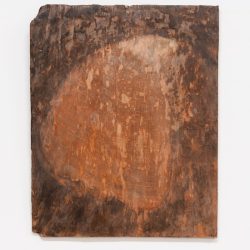
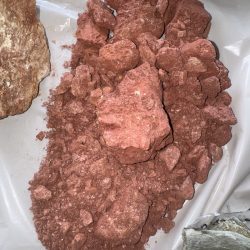
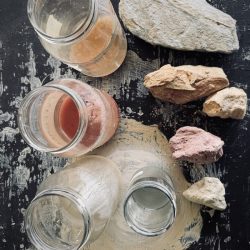
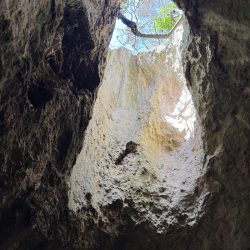
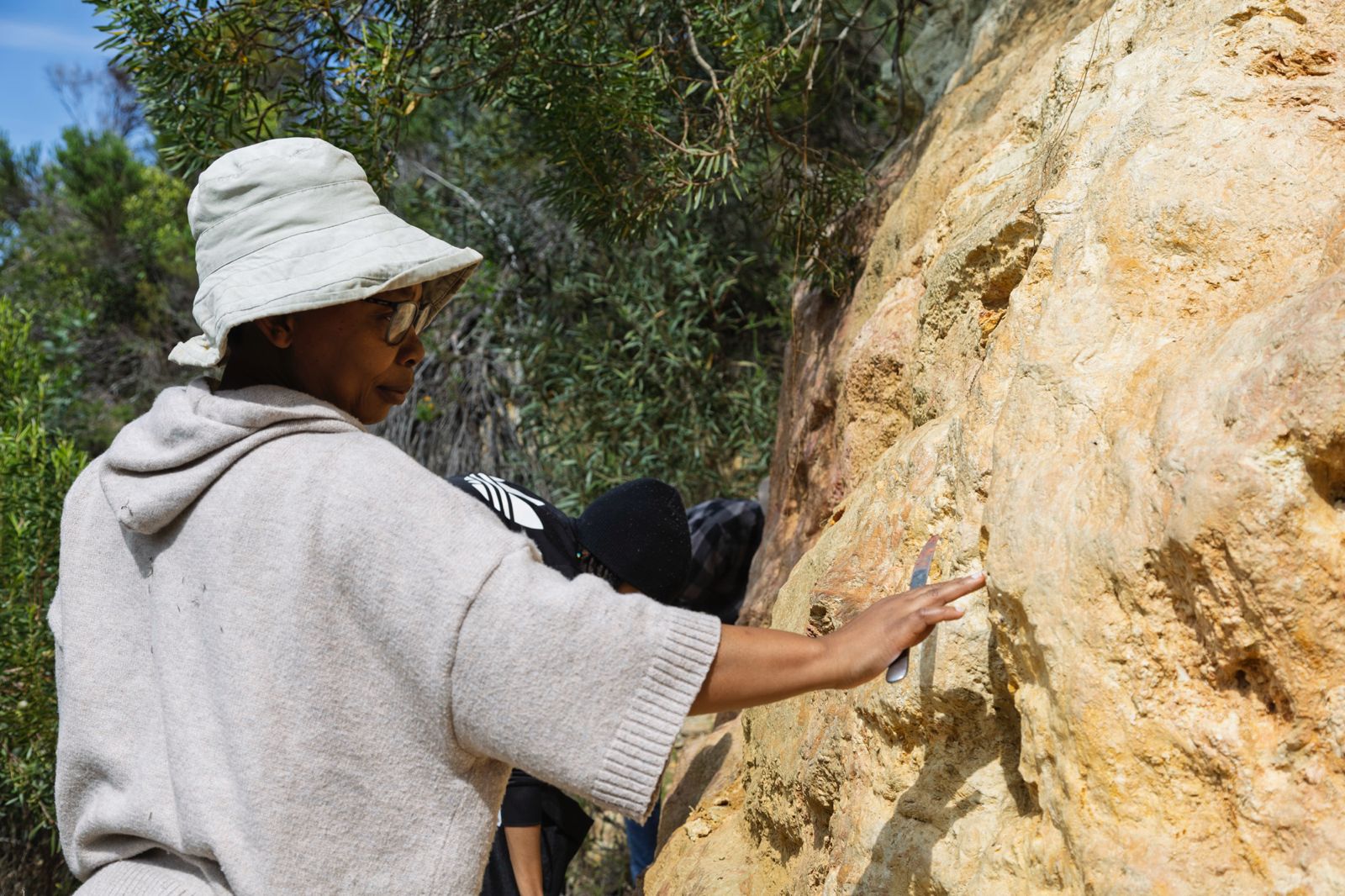
Encountering Bodhi Khaya for the first time felt like entering a portal transporting me to a foreign, unfamiliar land that held a quiet gravity. Being in the space, forced a deep, unexpected confrontation with grief, memory, as well as an internal shift that I’m yet to articulate. The landscape brought up questions of ownership, extraction, intervention, and my own body’s relationship to the land. The residency made me engage with my practice in a completely different way. Working with the quarry clay and spending time on the forest floor, made me slow down and really consider my presence in the landscape. Observing the histories embedded in the soil, and how the land continues to cradle us, I began to see the land not only as a witness but an active elder. The fynbos and ancient root systems beneath my feet grounded me throughout this process.
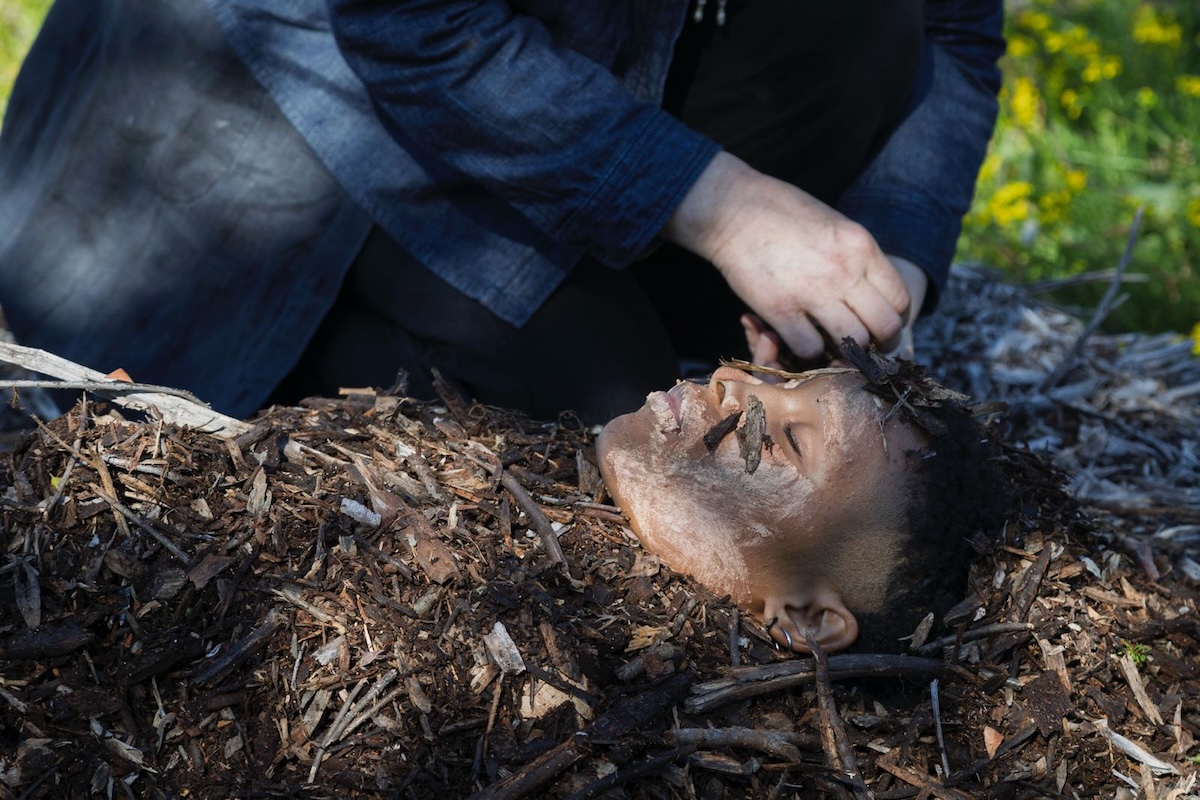
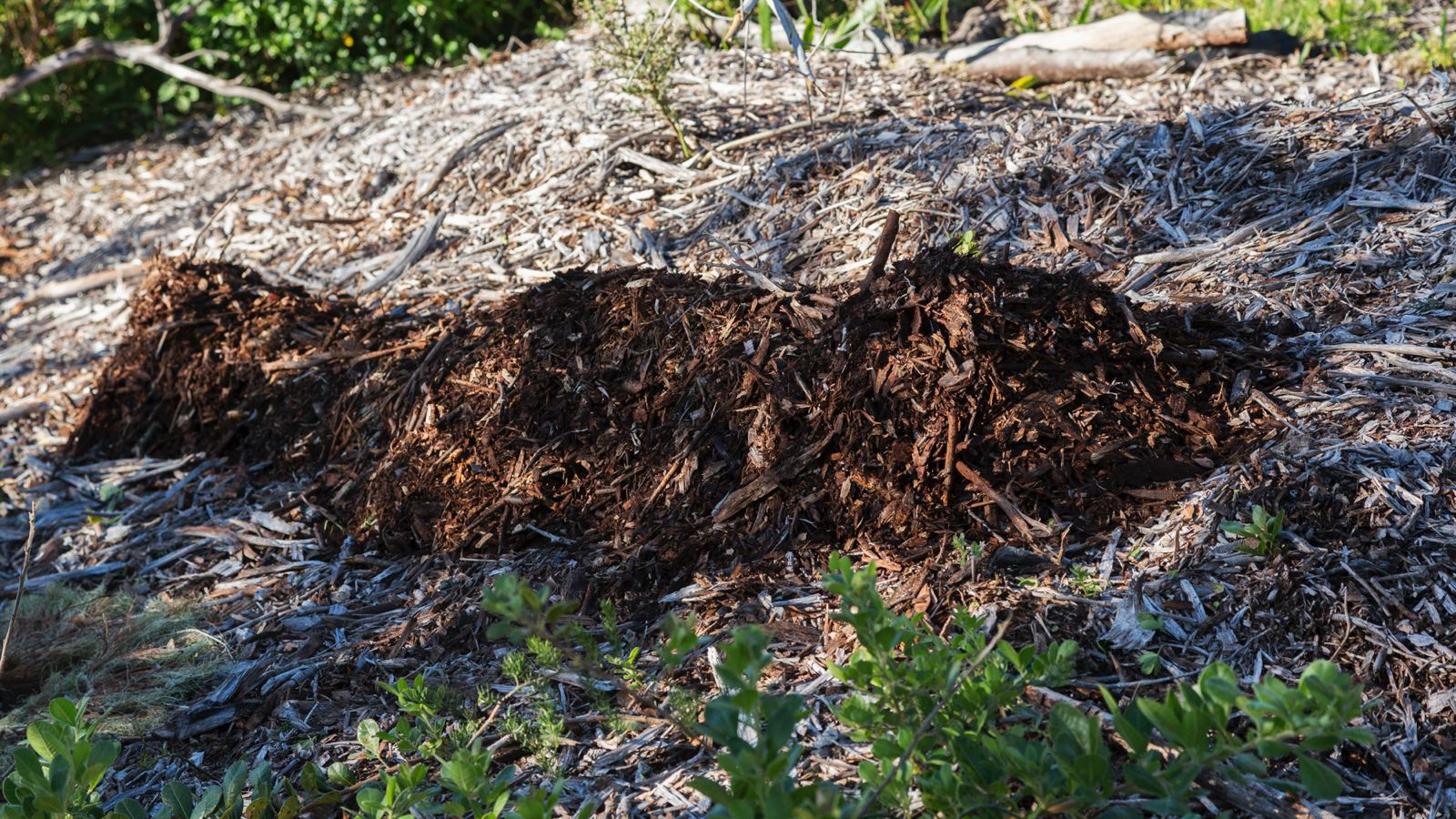
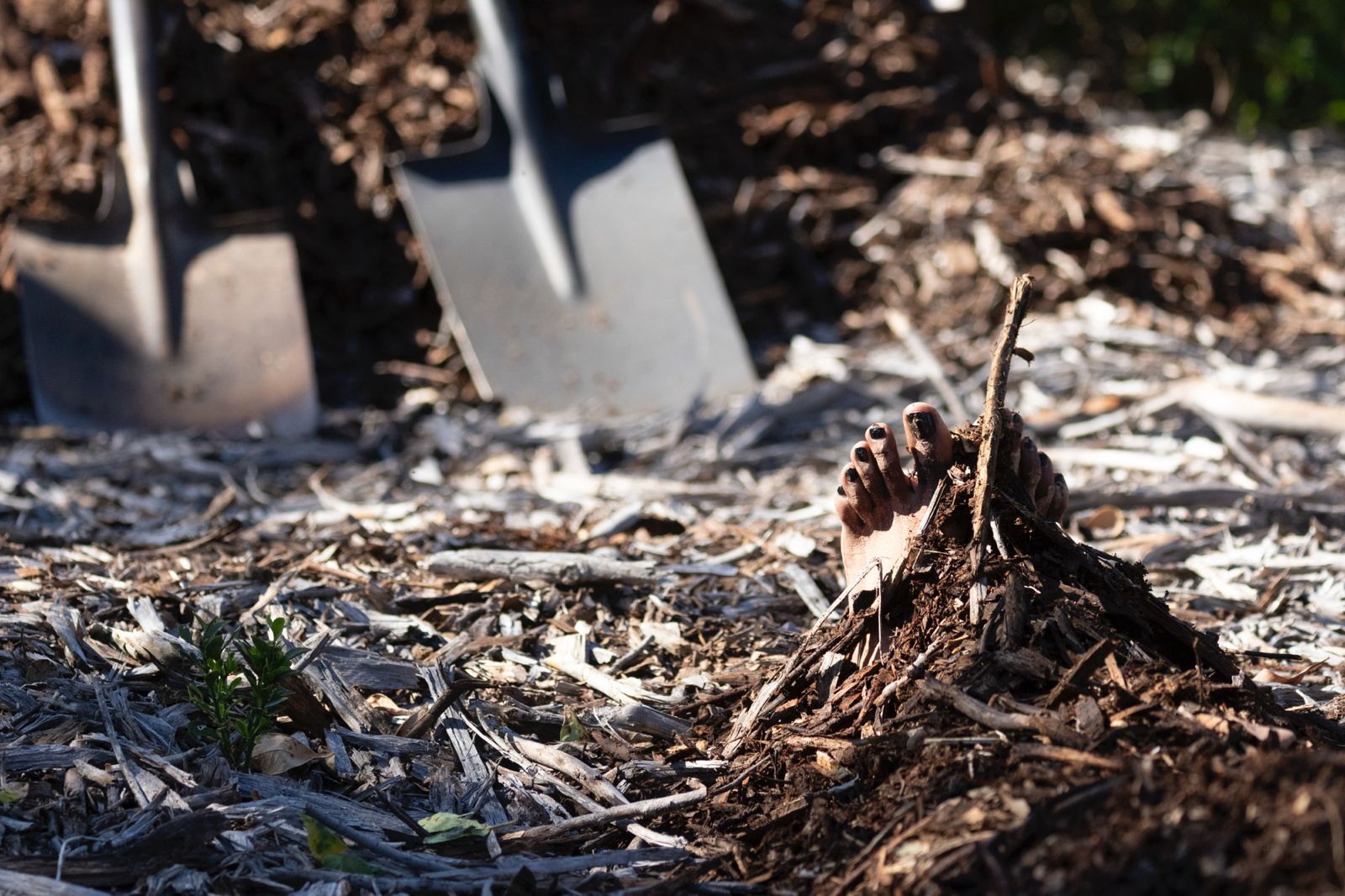
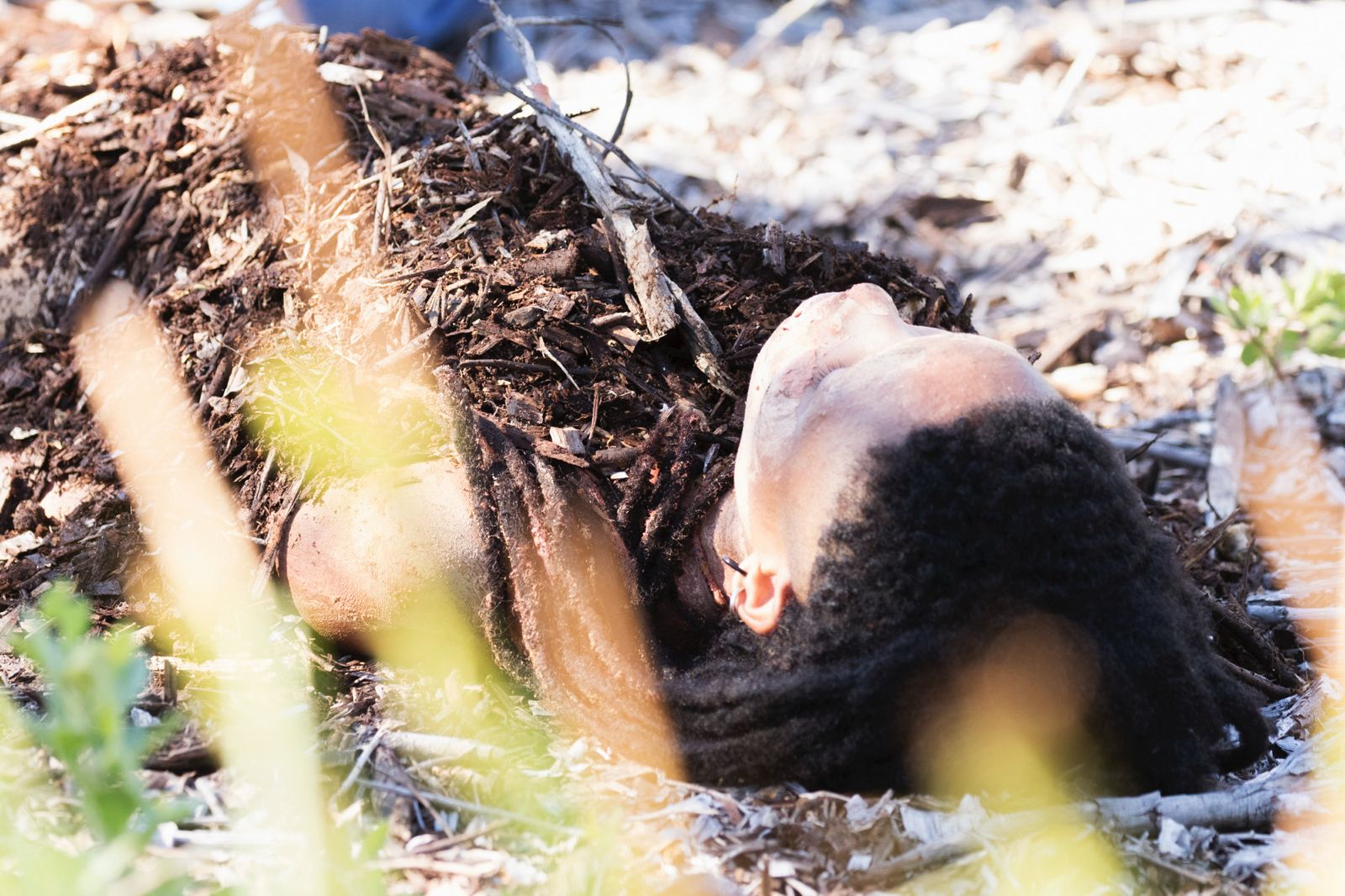
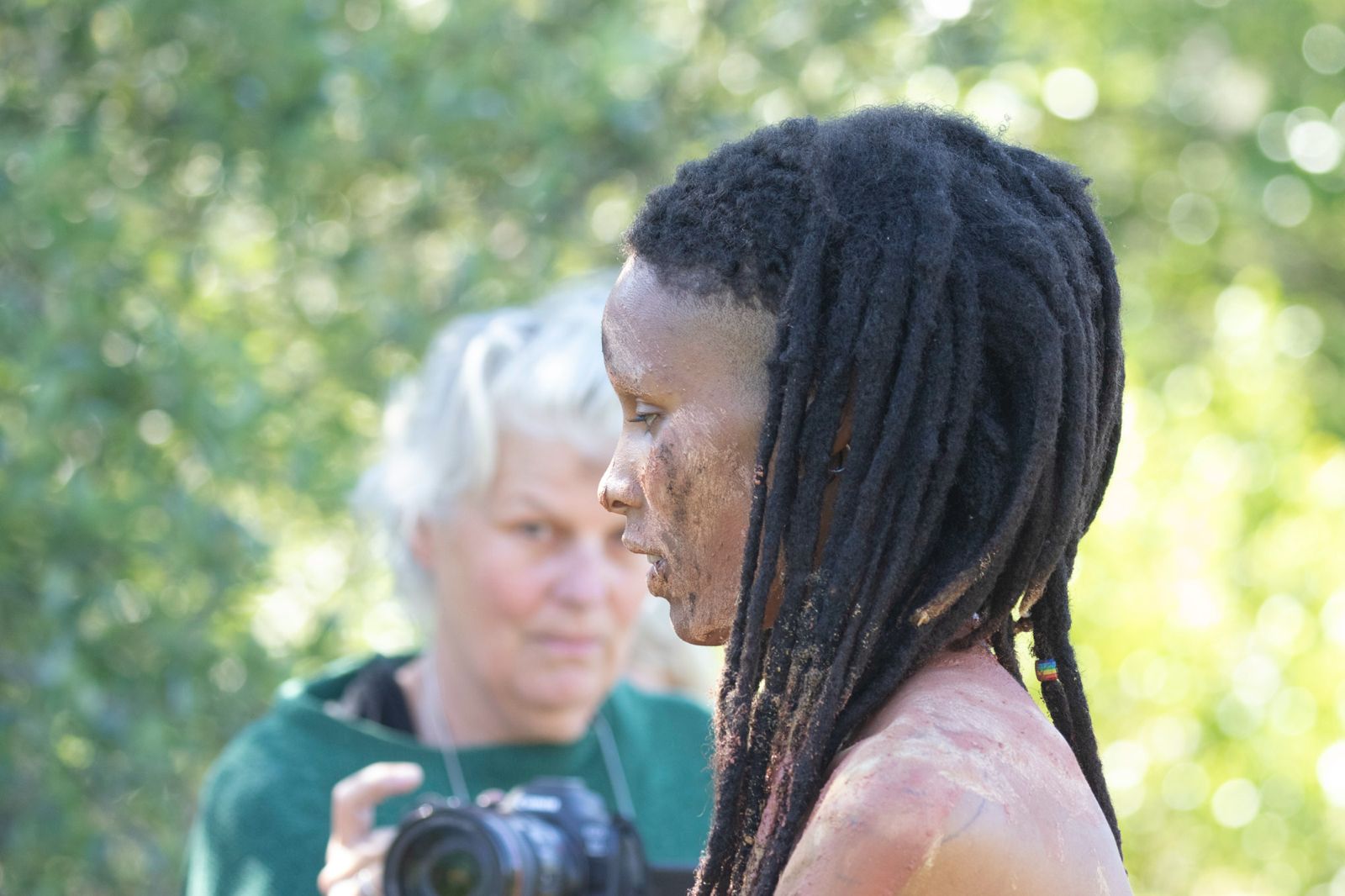
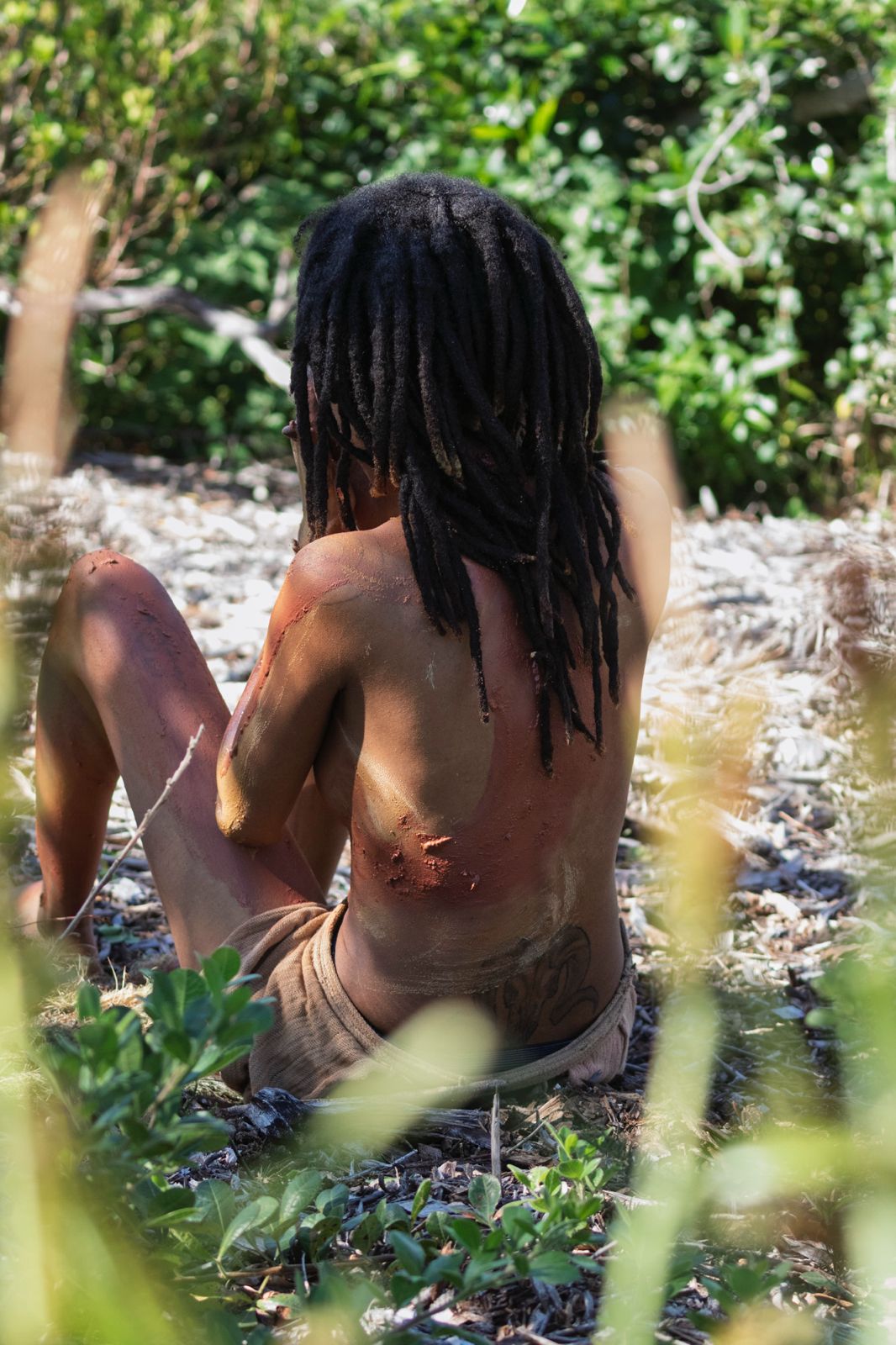
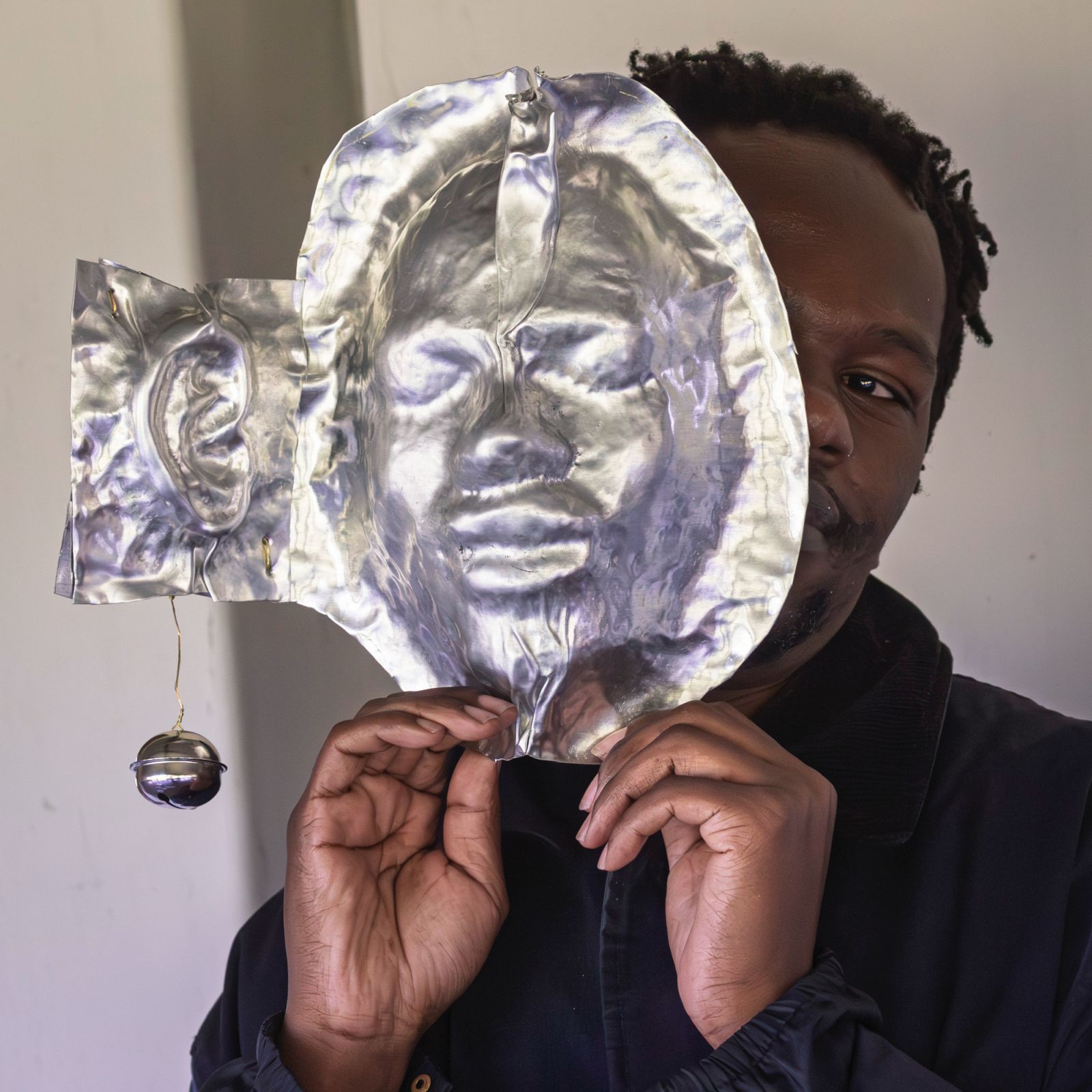
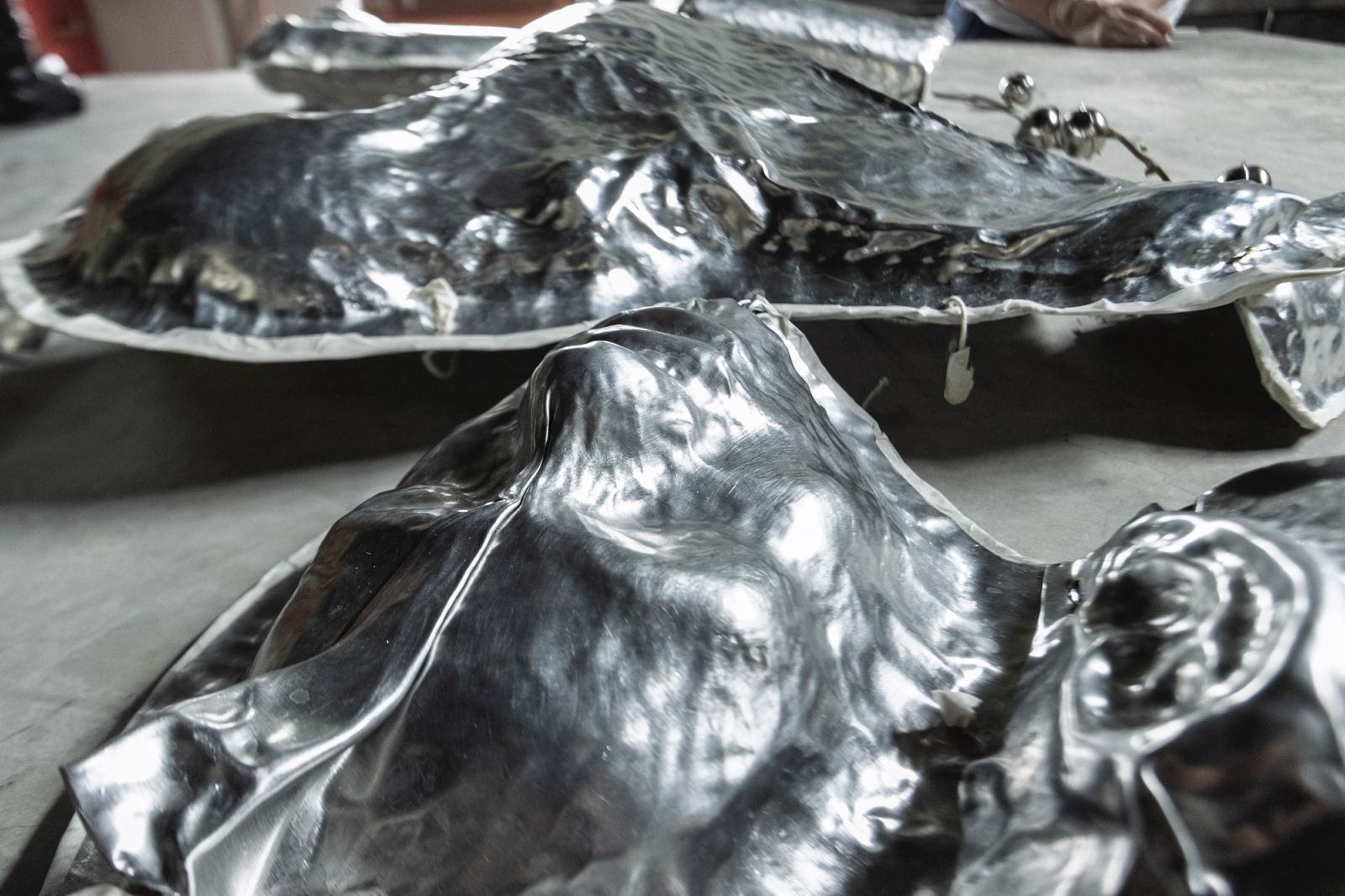
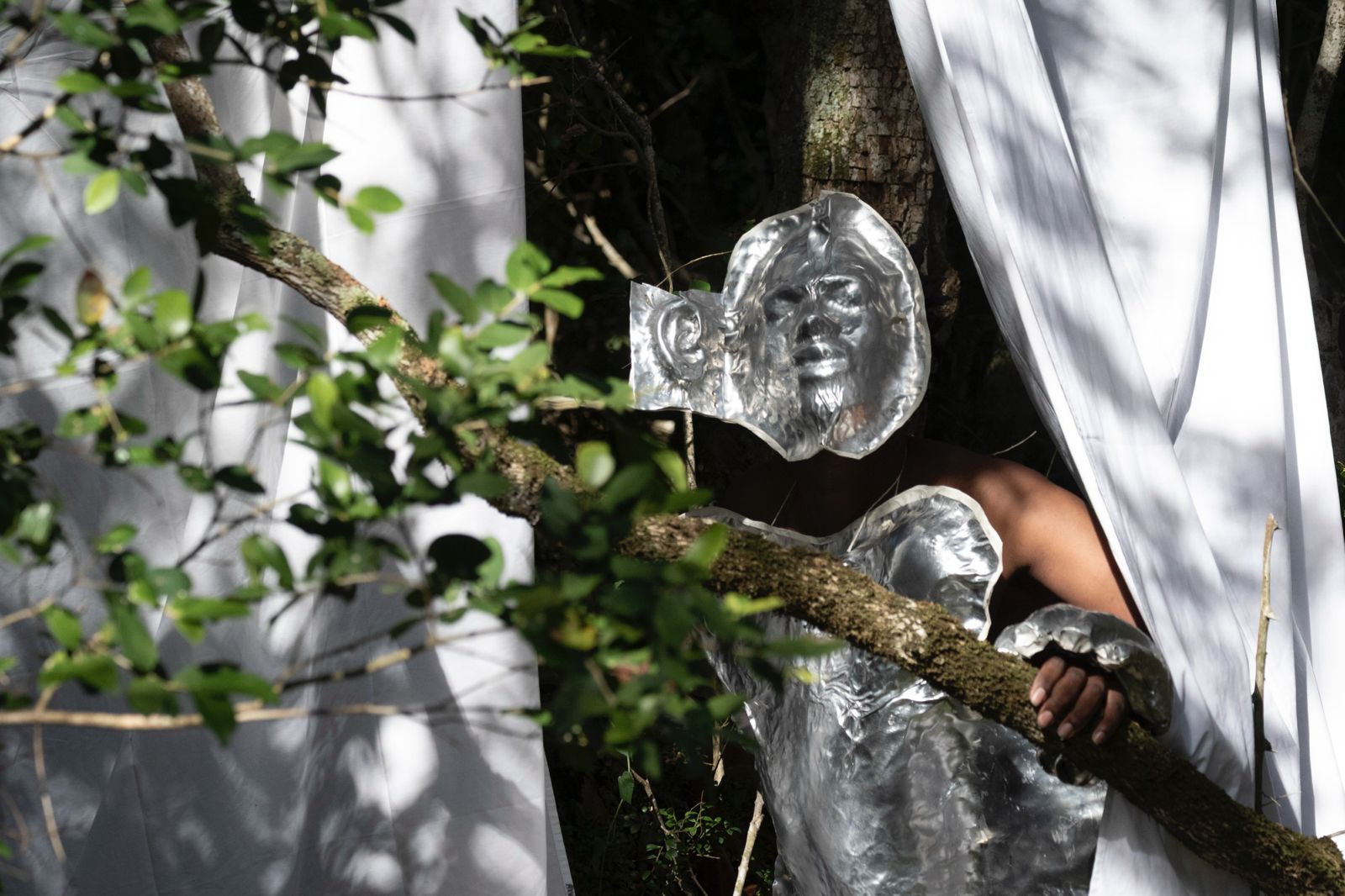
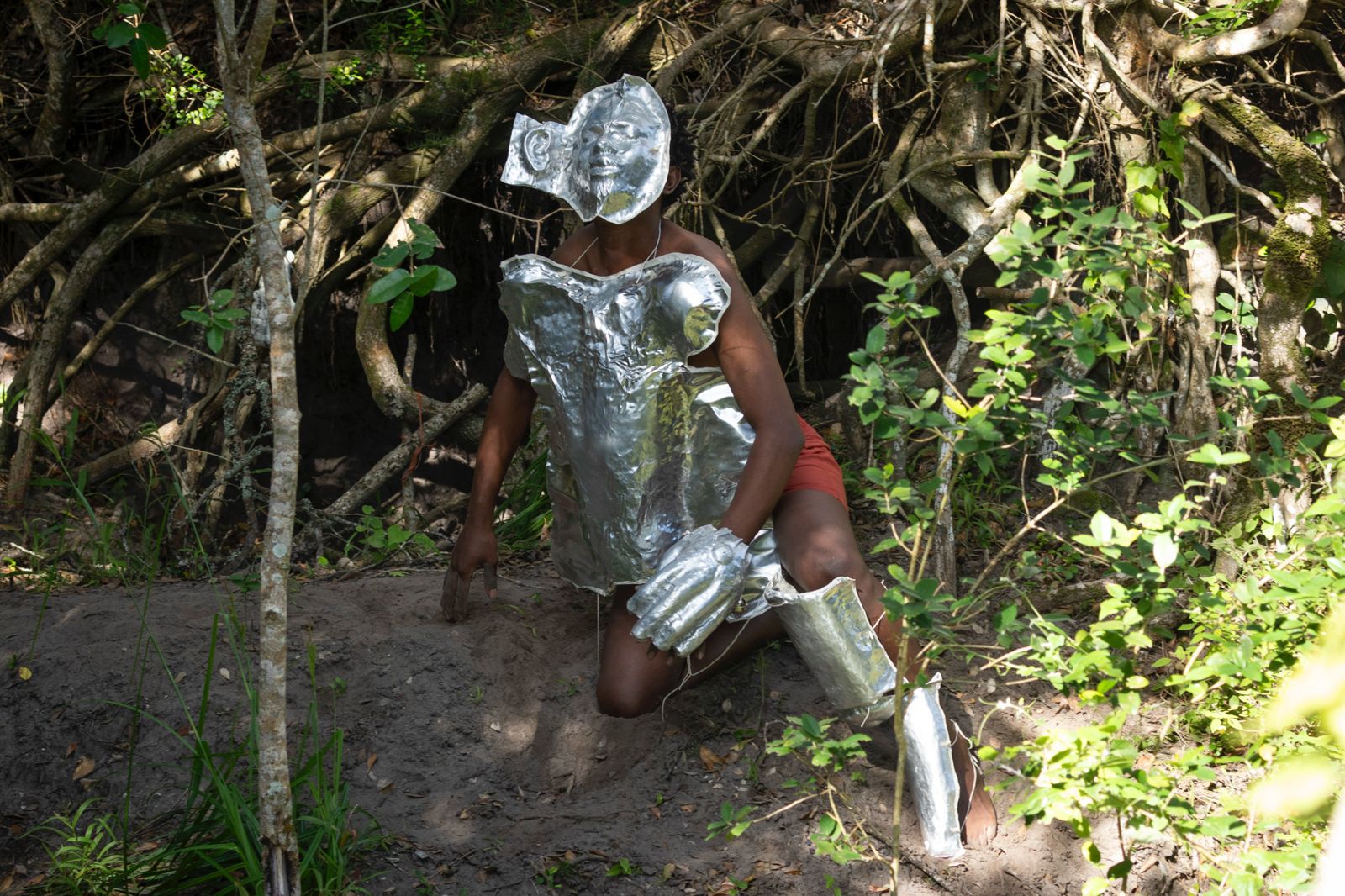
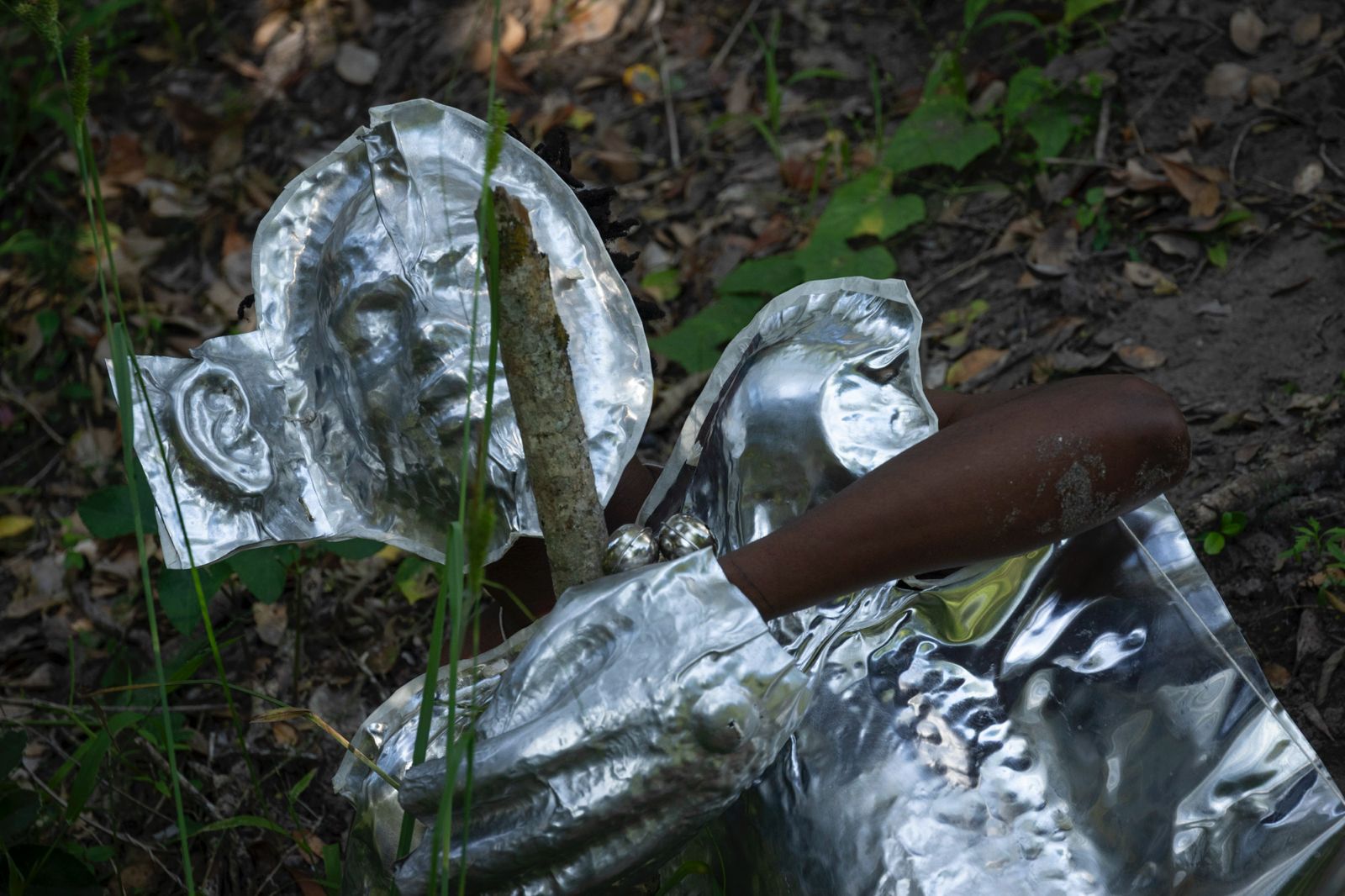
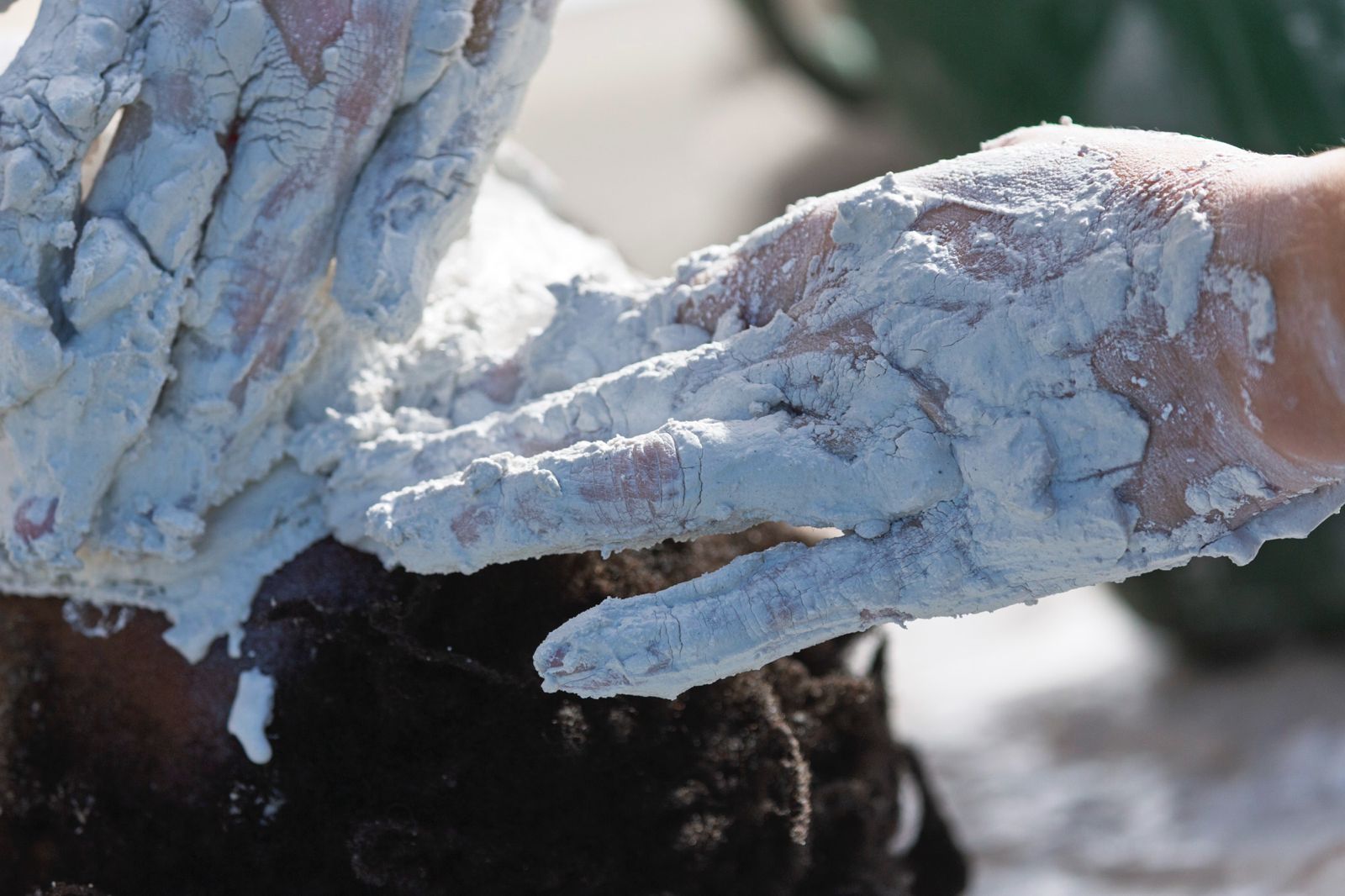
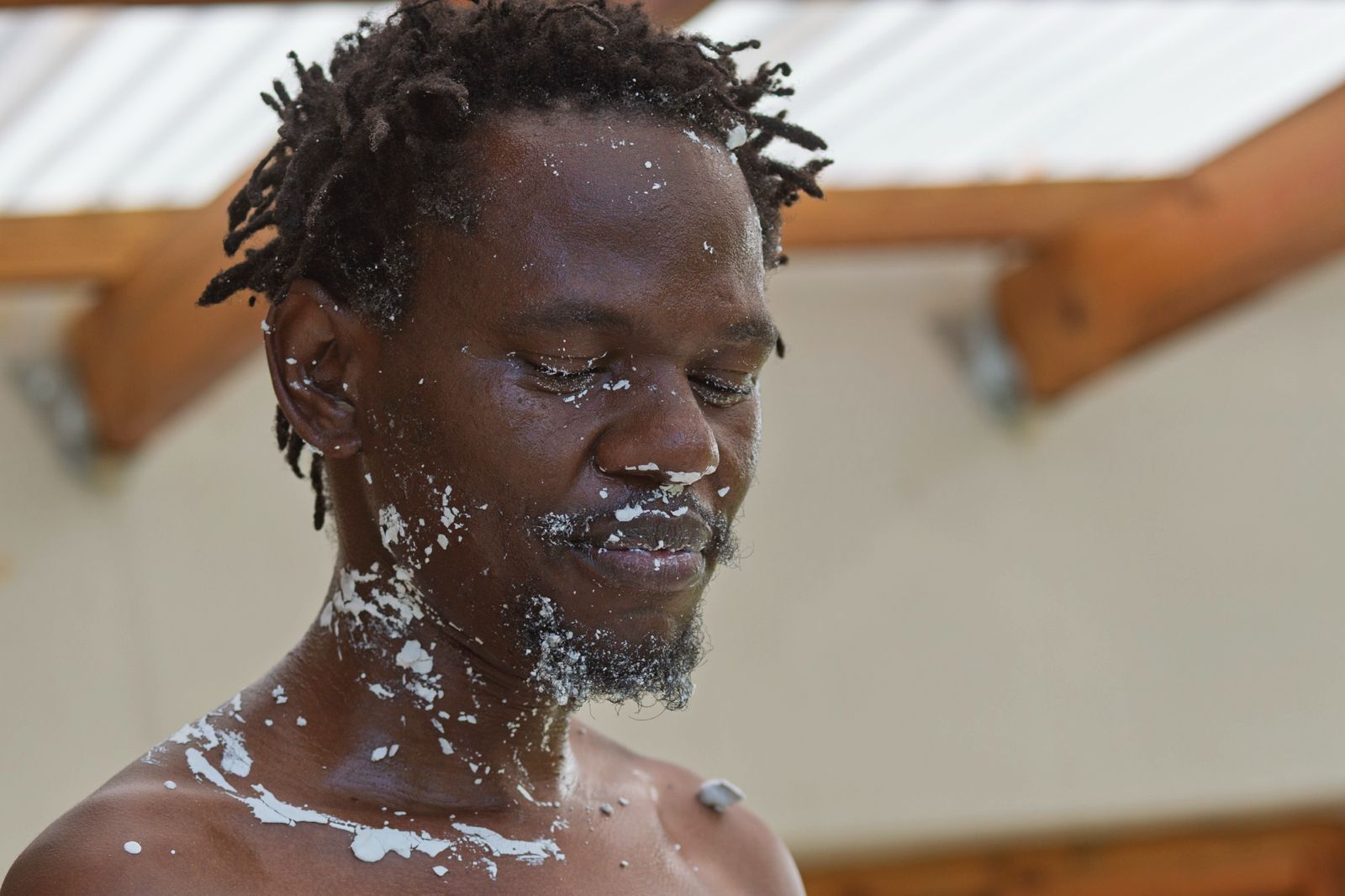
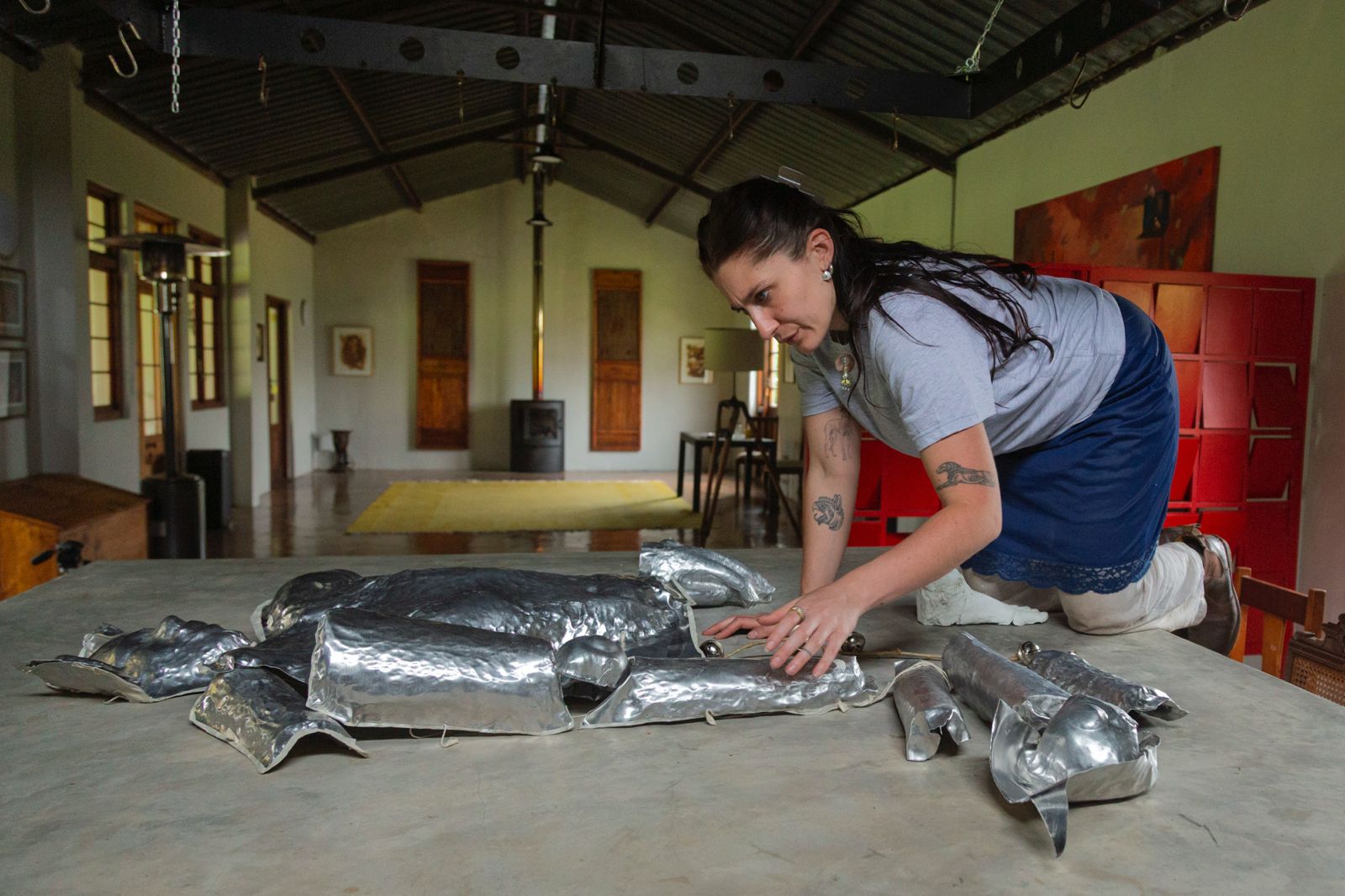
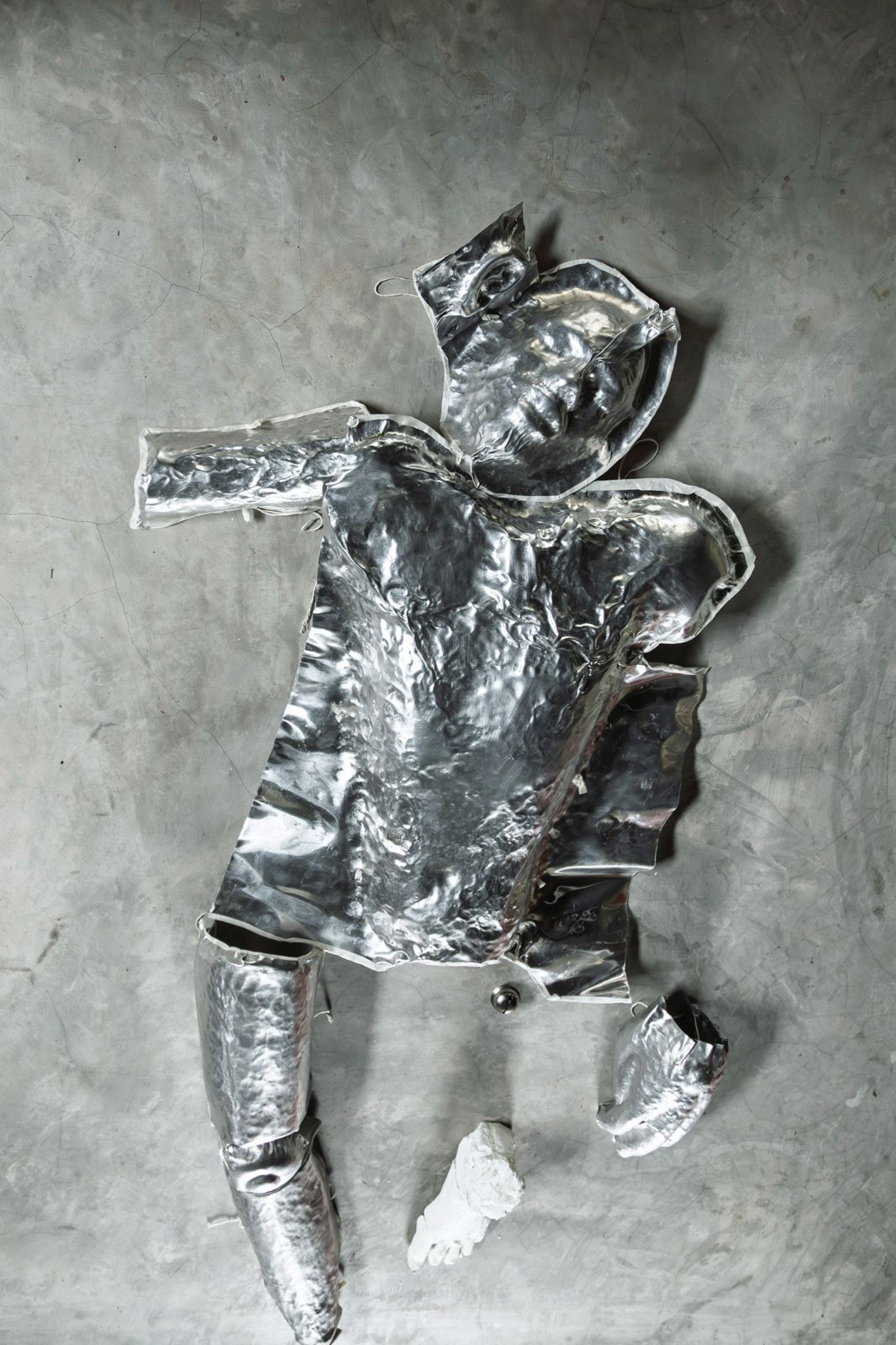
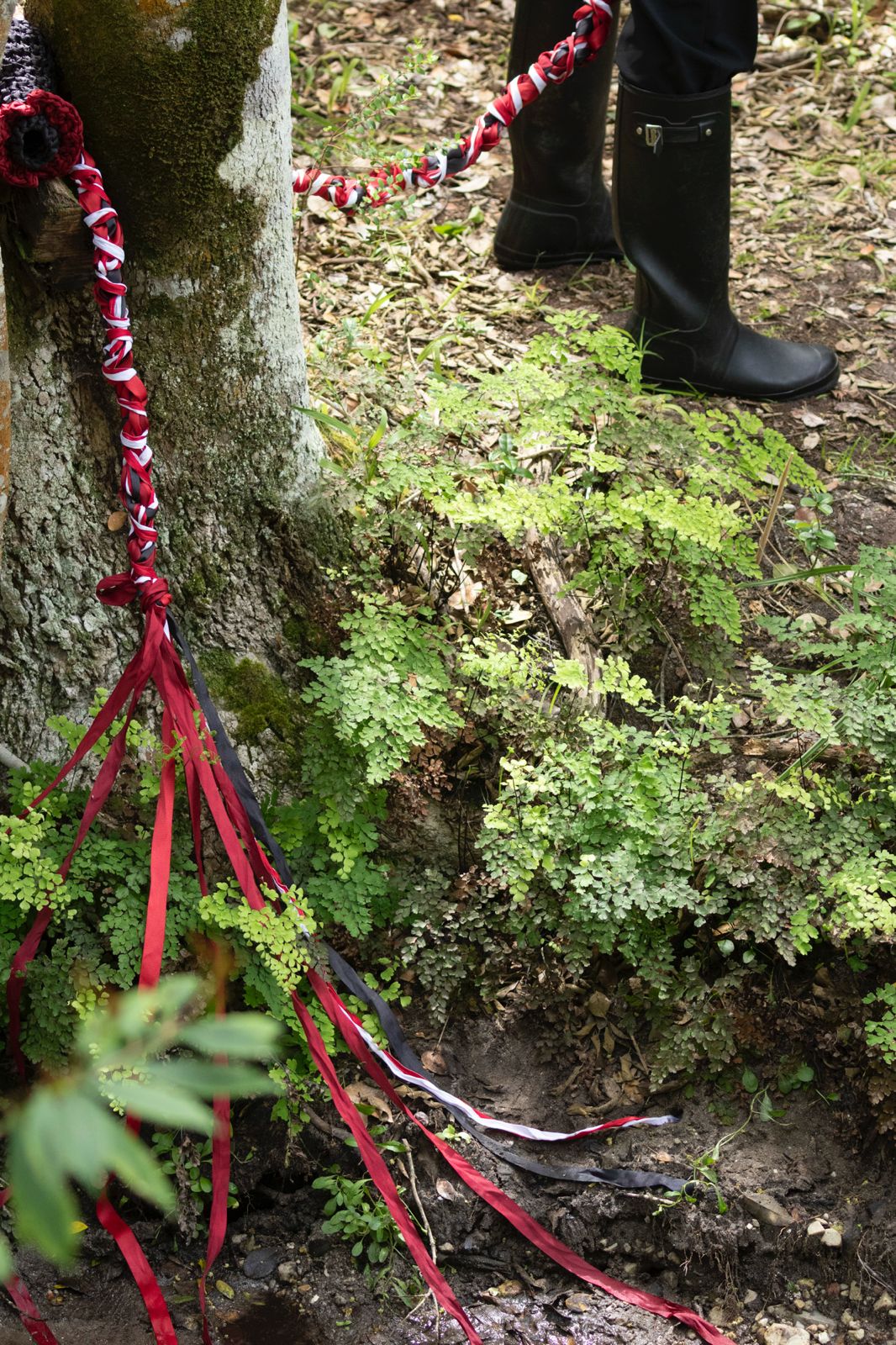
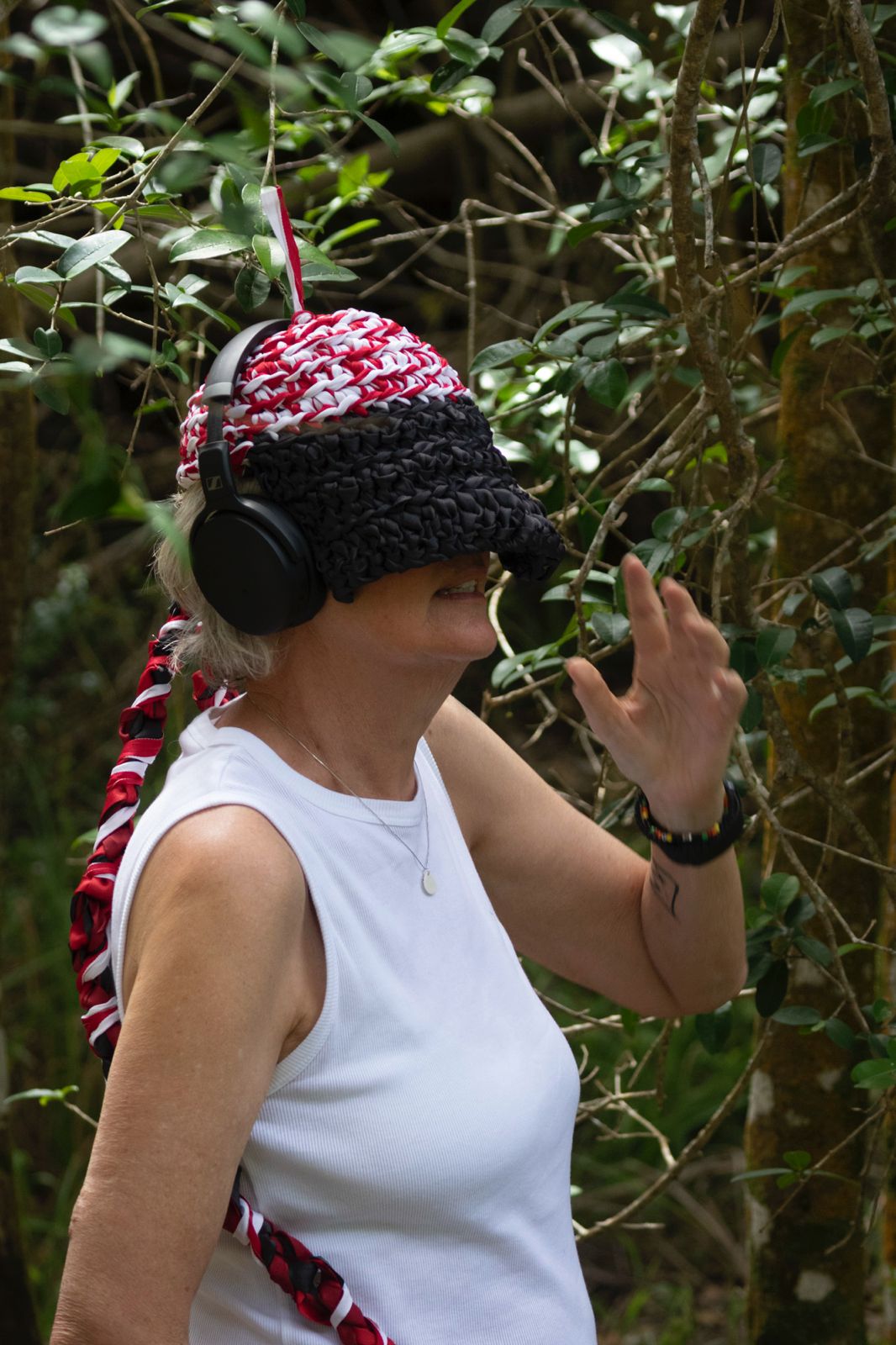
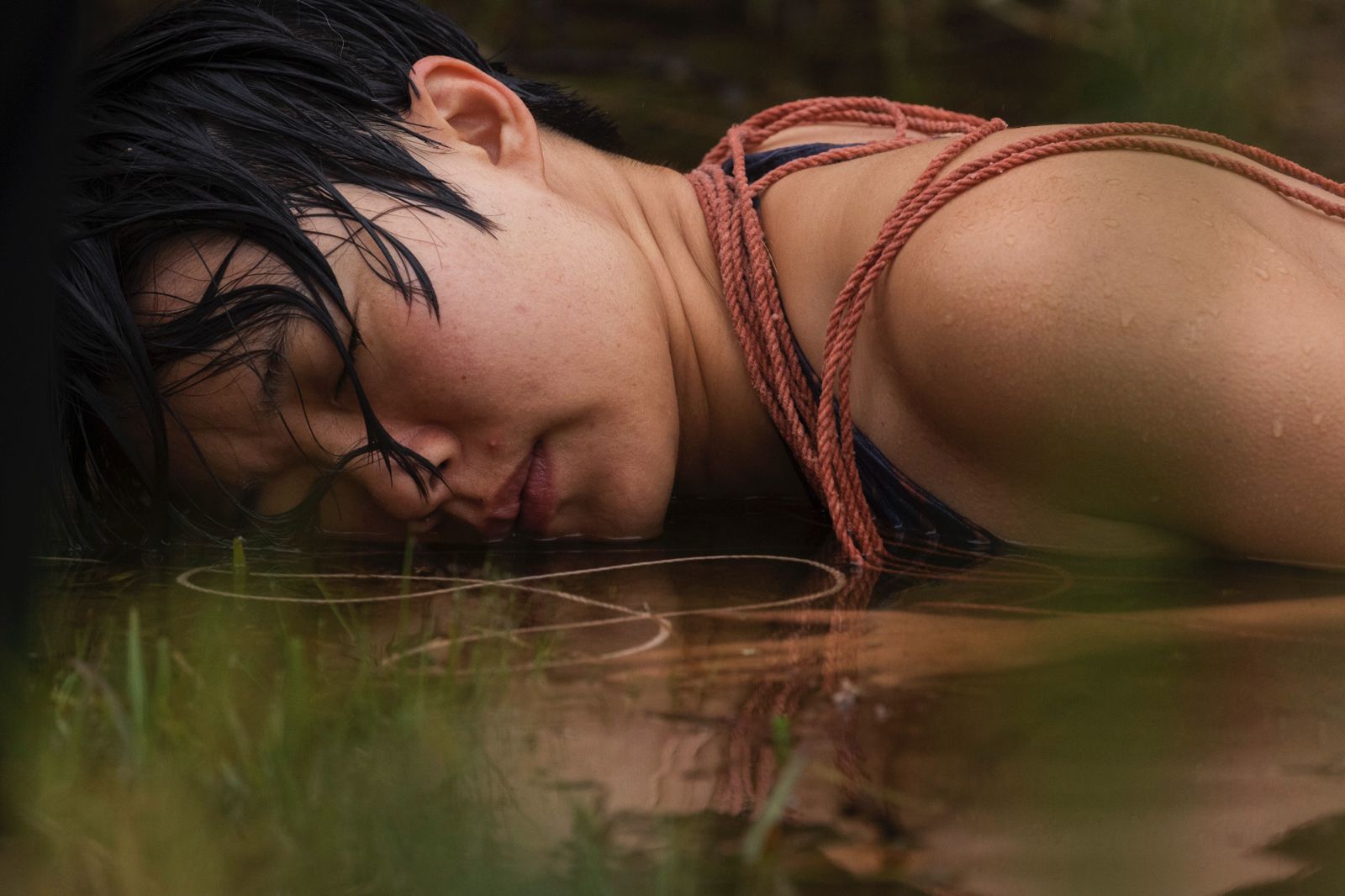
My final work, I rest, I repose, a site-specific ritual offering served as an offering of my body to the earth, a reflection for what we carry, what we extract and what we need to shed. Shrouded in quarry clay and natural elements imbued with the cleansing and protective properties of the earth, the piece evolved into a participatory procession that became central to the performance. The cohort joined in the ritual digging with their bare hands to bury me, leaving with soil beneath their fingernails rather than utilising tools. This intimate act turned into a shared, collective ritual of quiet release, tying up the offering naturally.
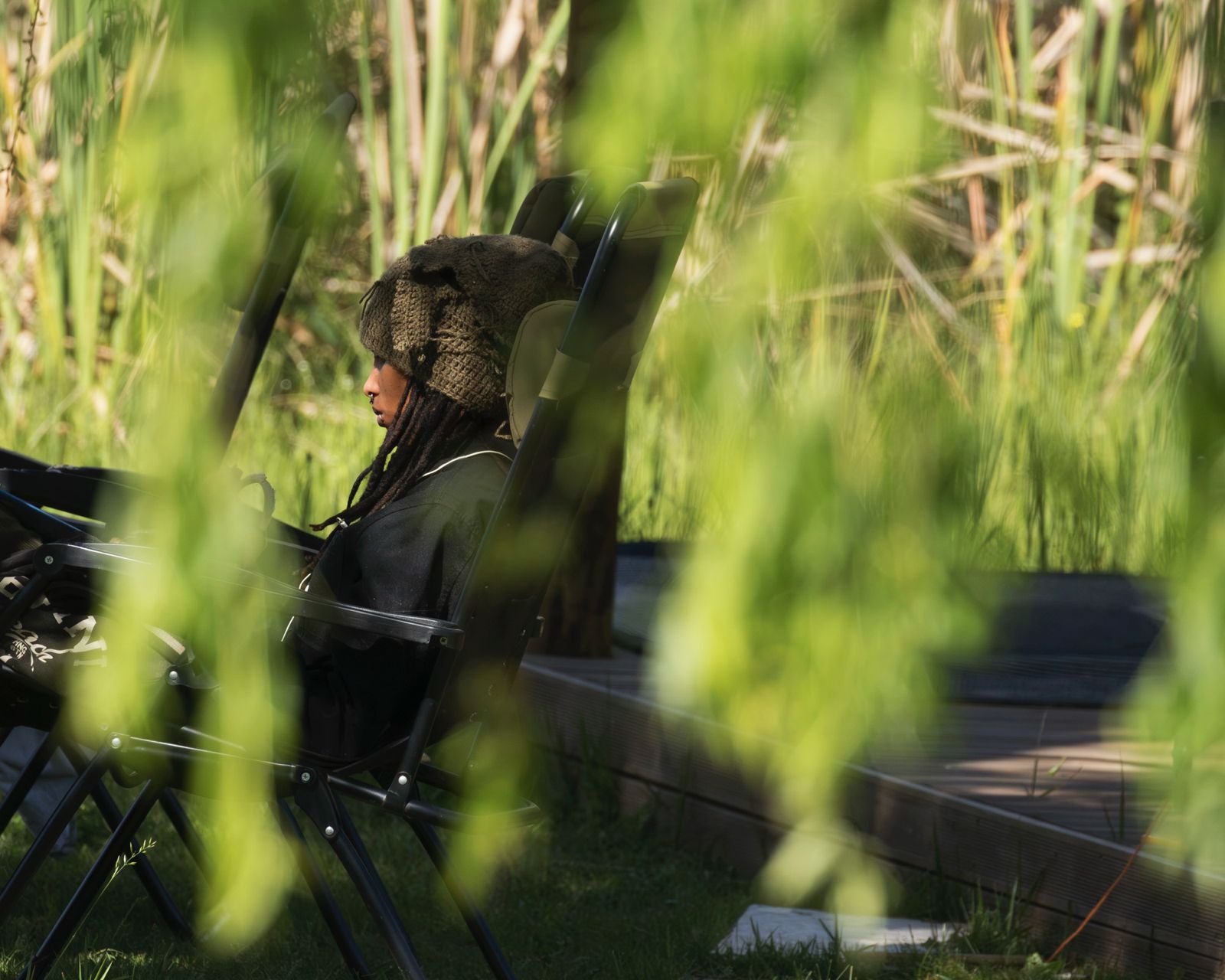
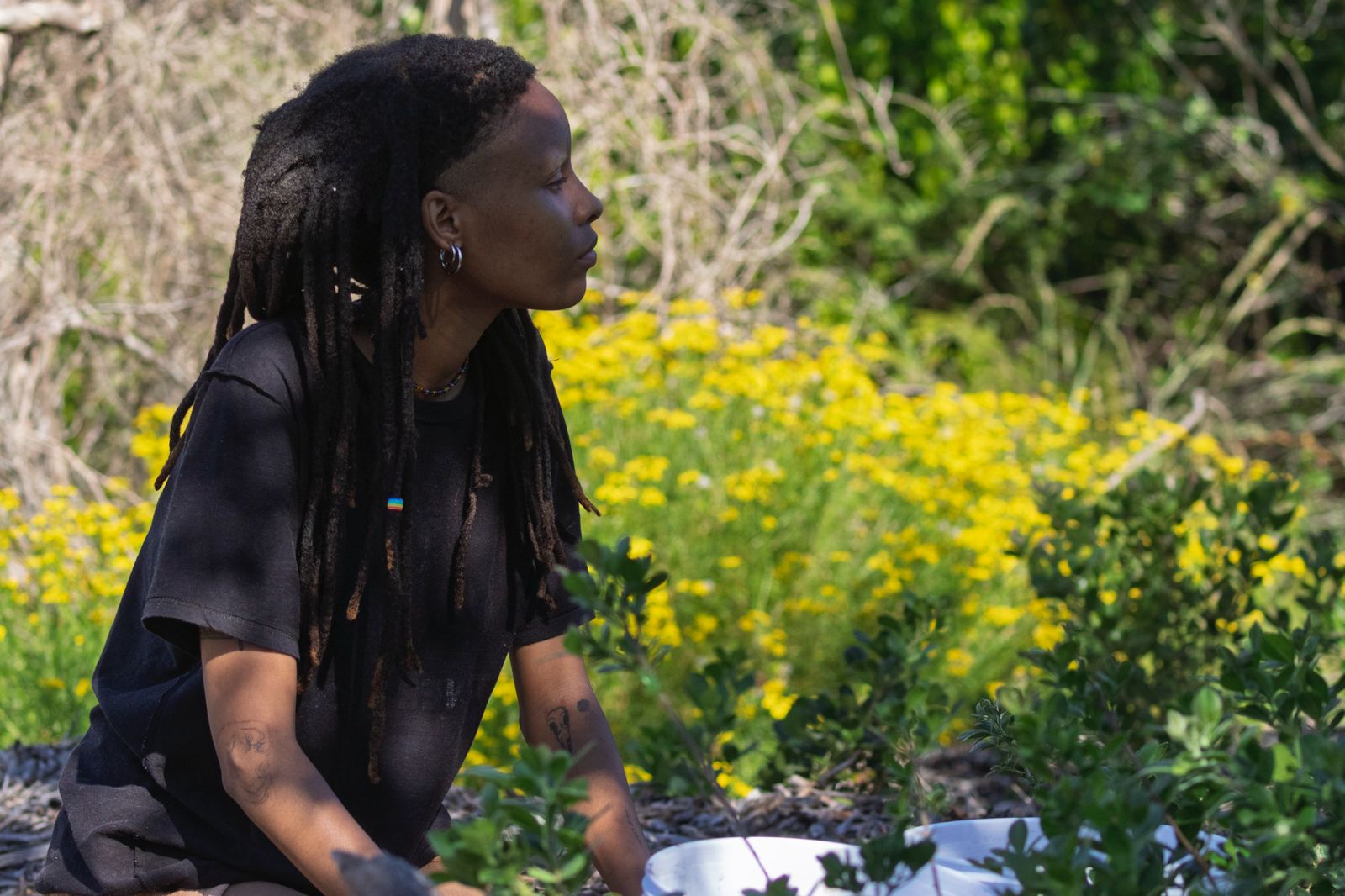
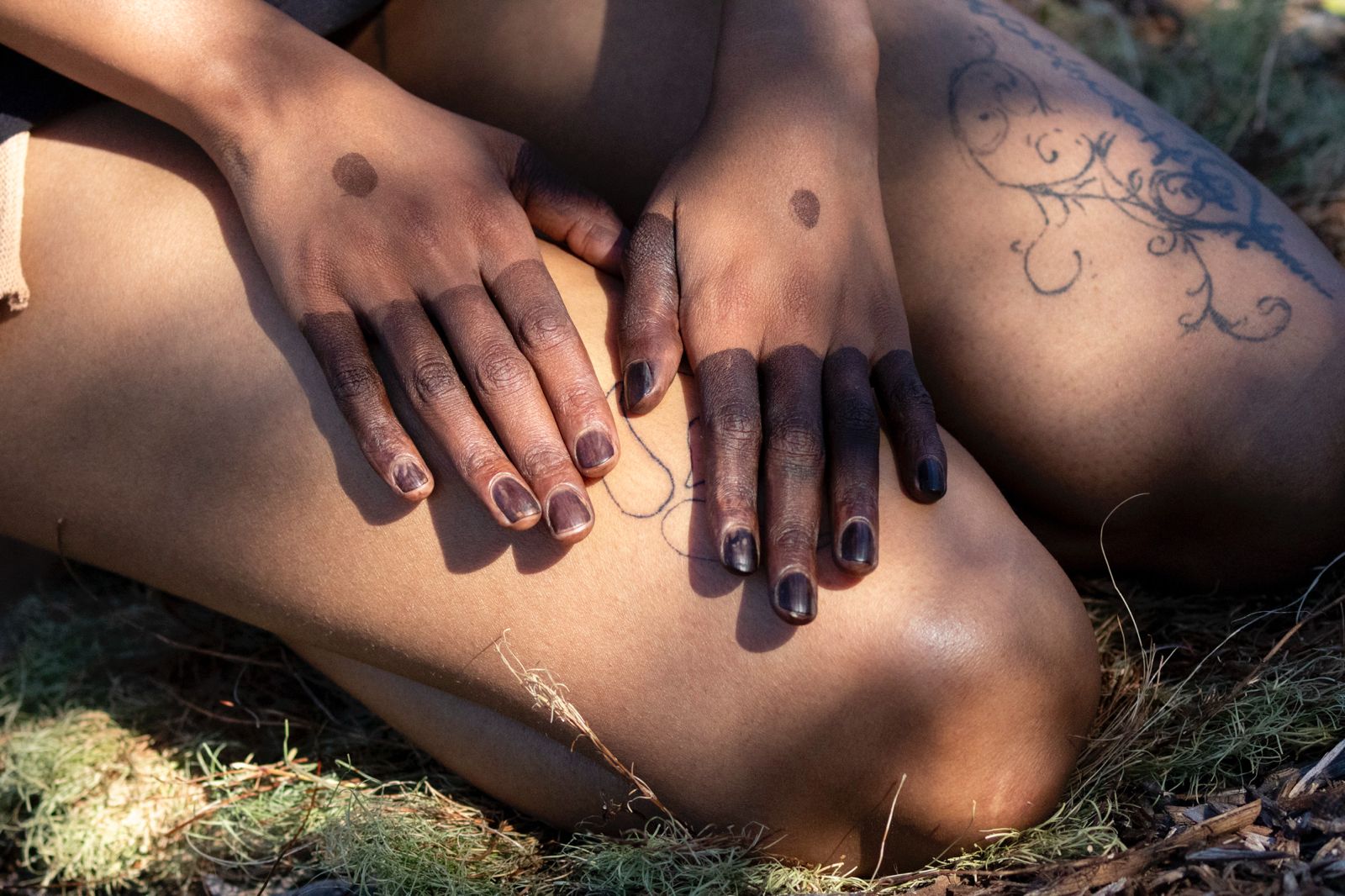
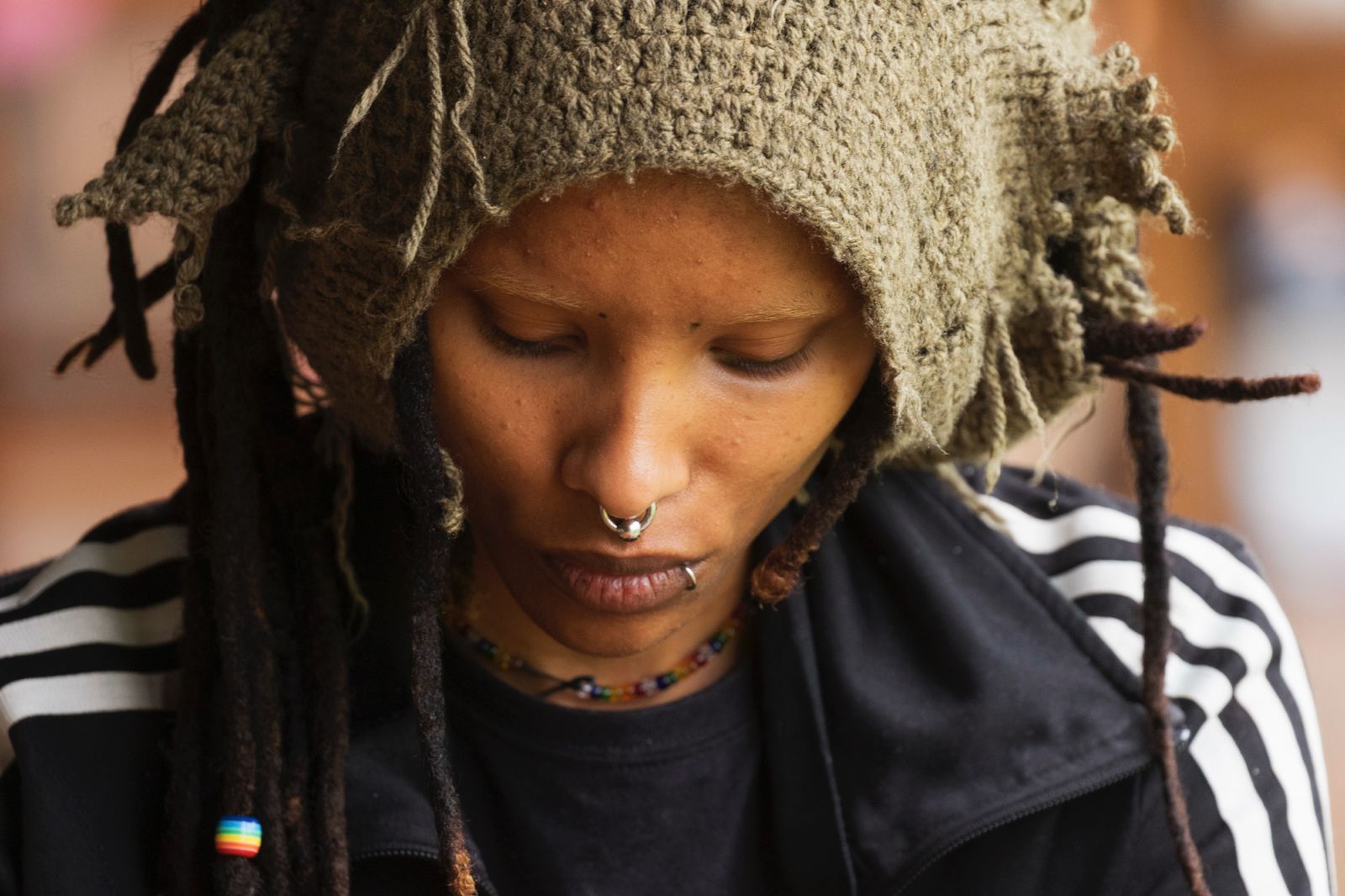
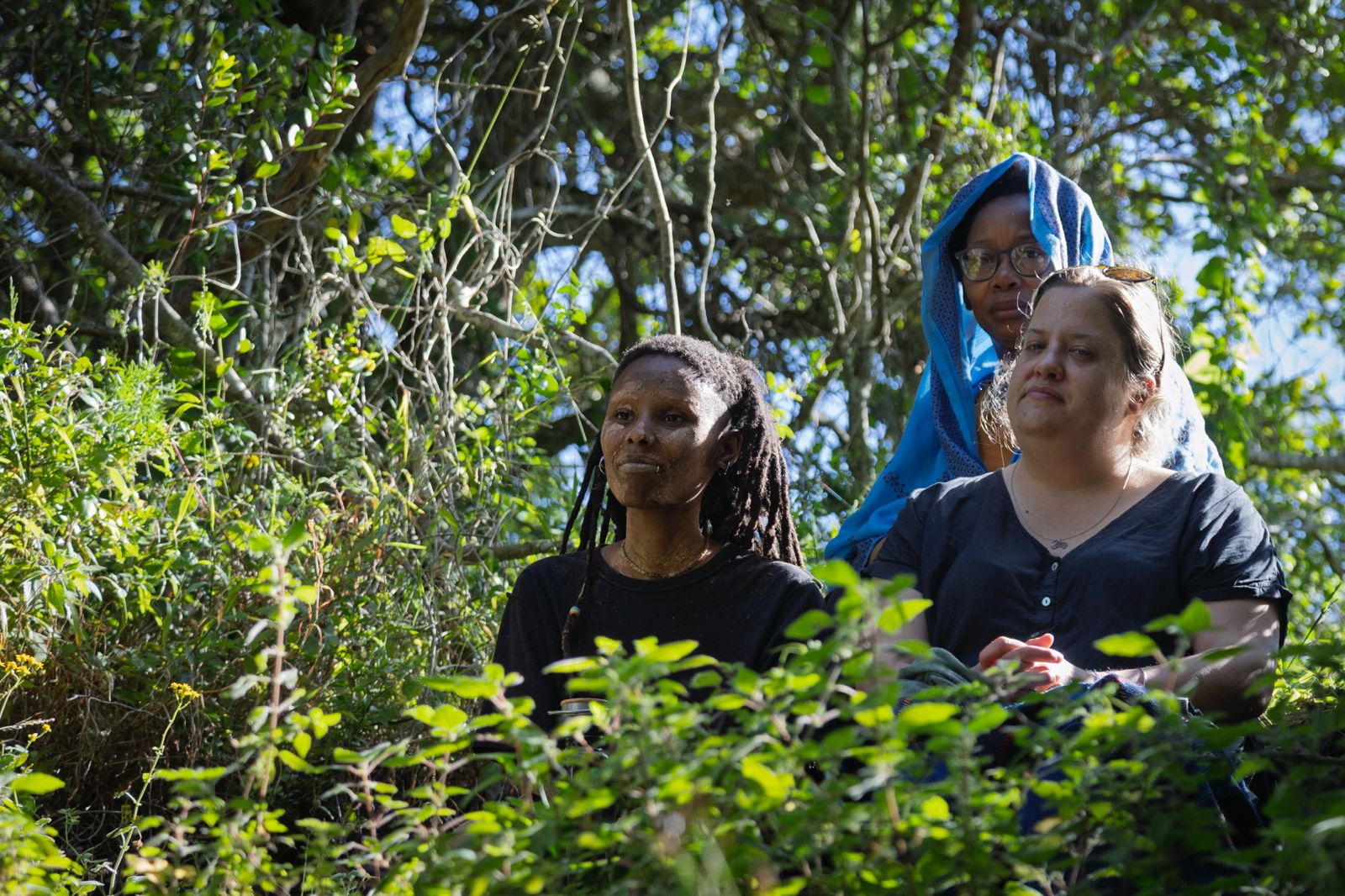
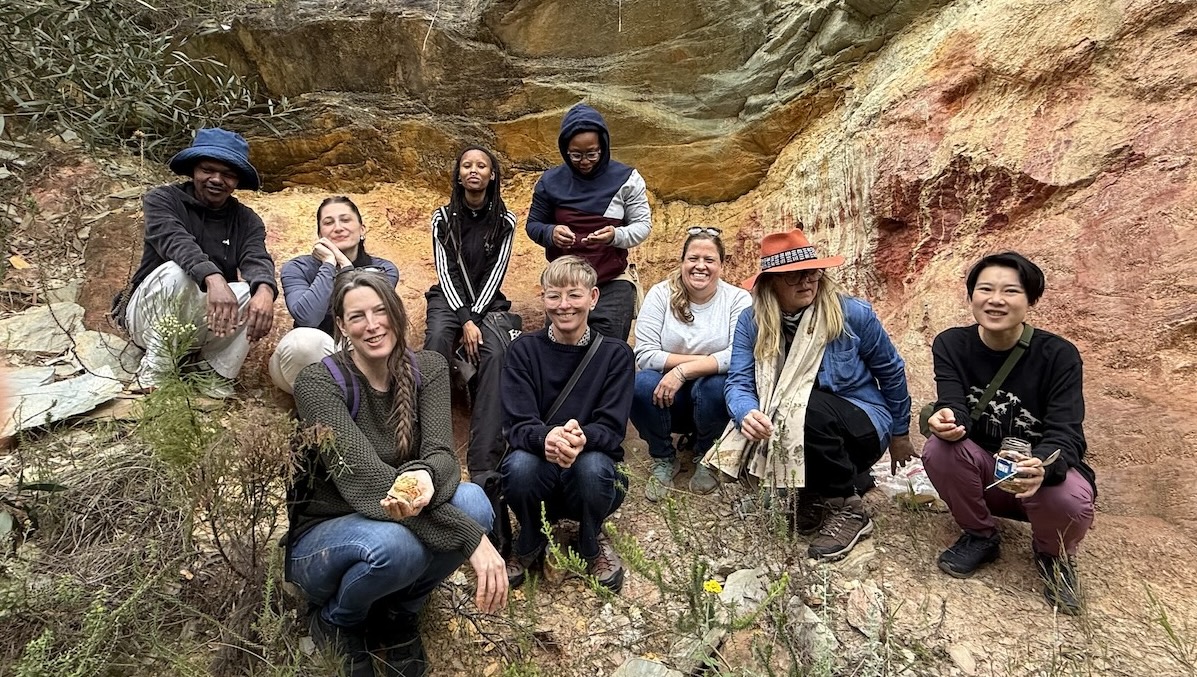
Bodhi Kayha Residency is set in the most wonderful surroundings, a beautiful farmhouse, surrounded by indigenous forest, with a lake and sauna adding to the peaceful and welcoming setting.
One of the things I particularly appreciated was the silence. Being away from everyday routines, demands and responsibilities created space to focus entirely on my work. At the same time, being part of a group added another dimension to the experience. Sharing, discussing, debating and witnessing each other’s processes made me realise how much value there is in working alongside others, rather than undertaking a residency alone. The sense of community was an important part of the experience.
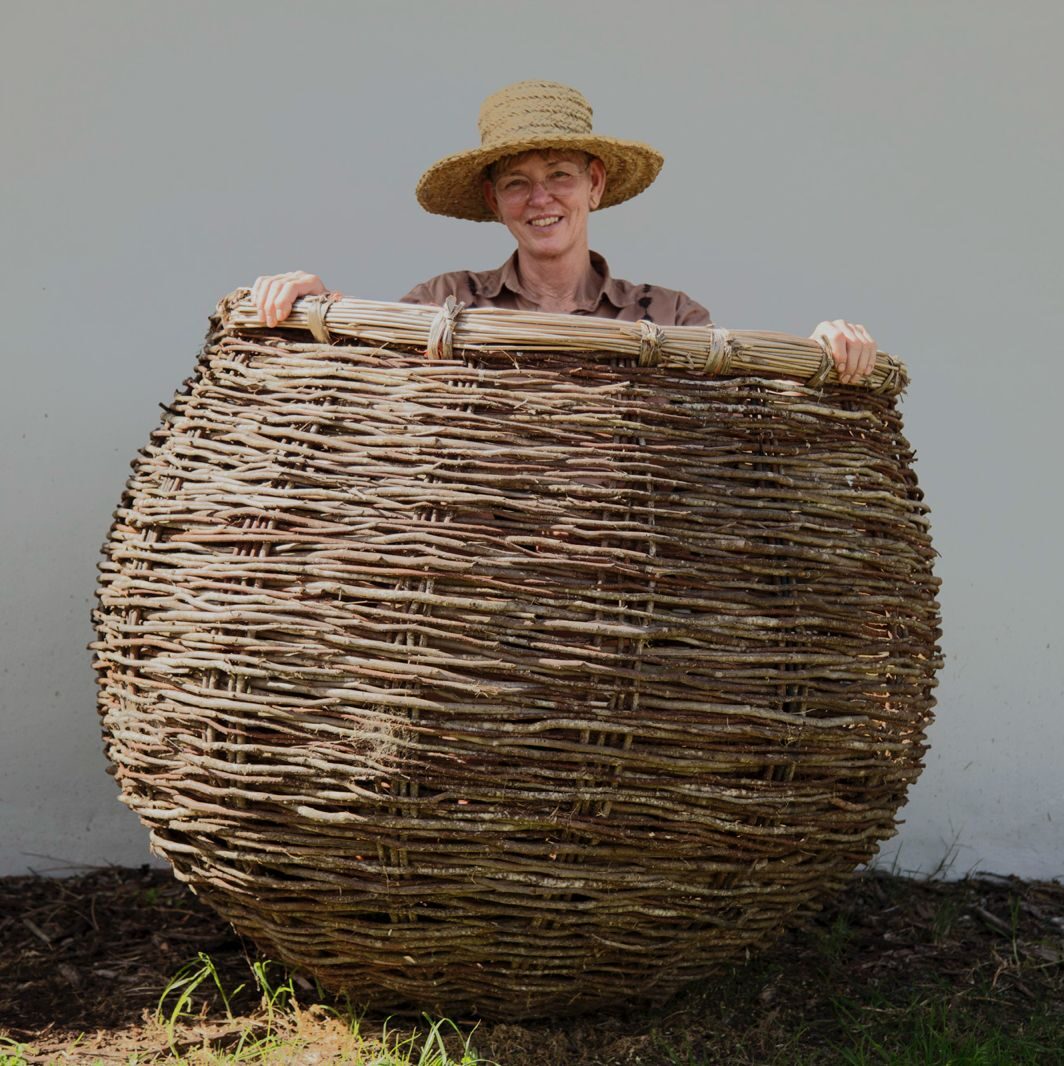
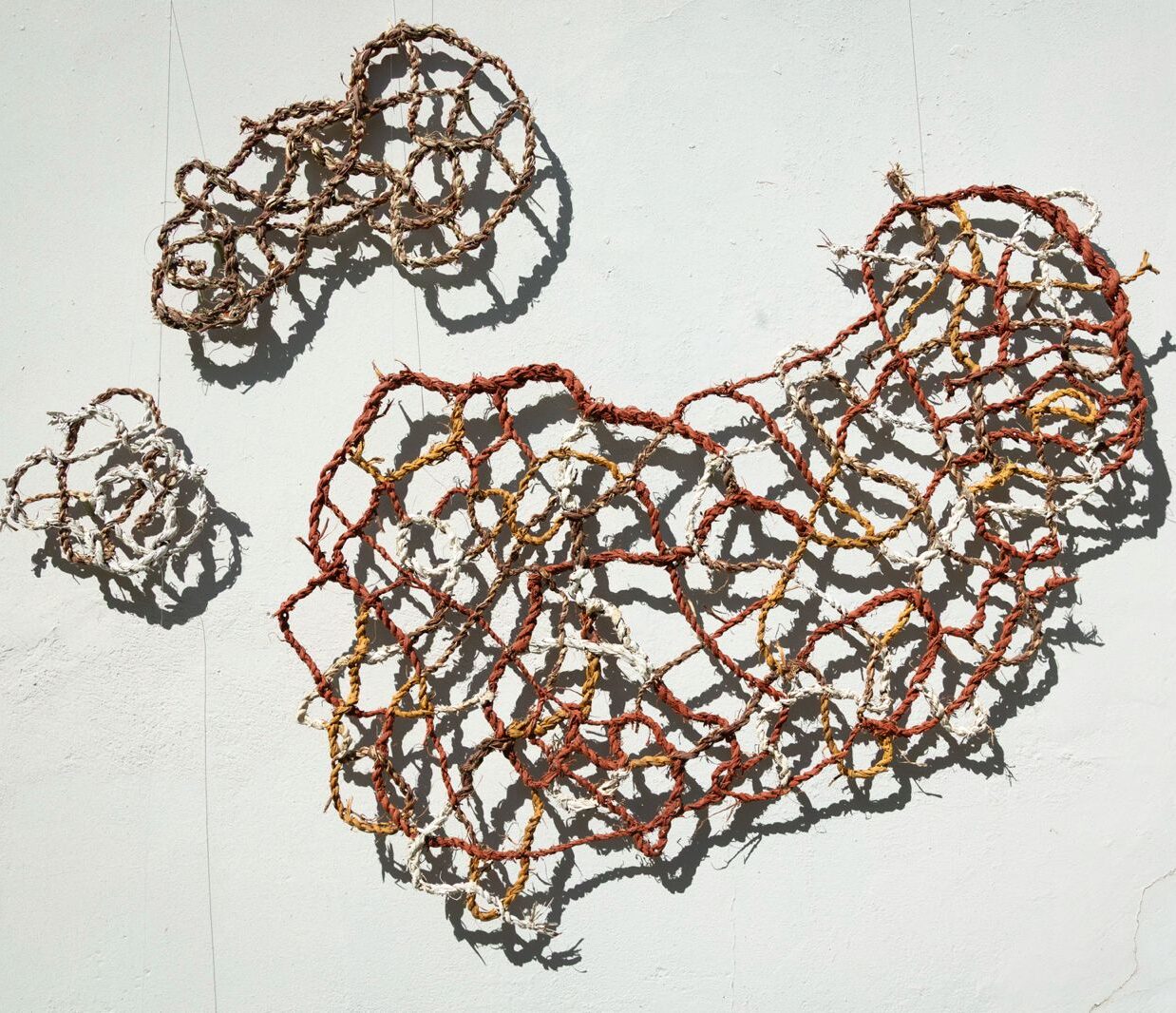
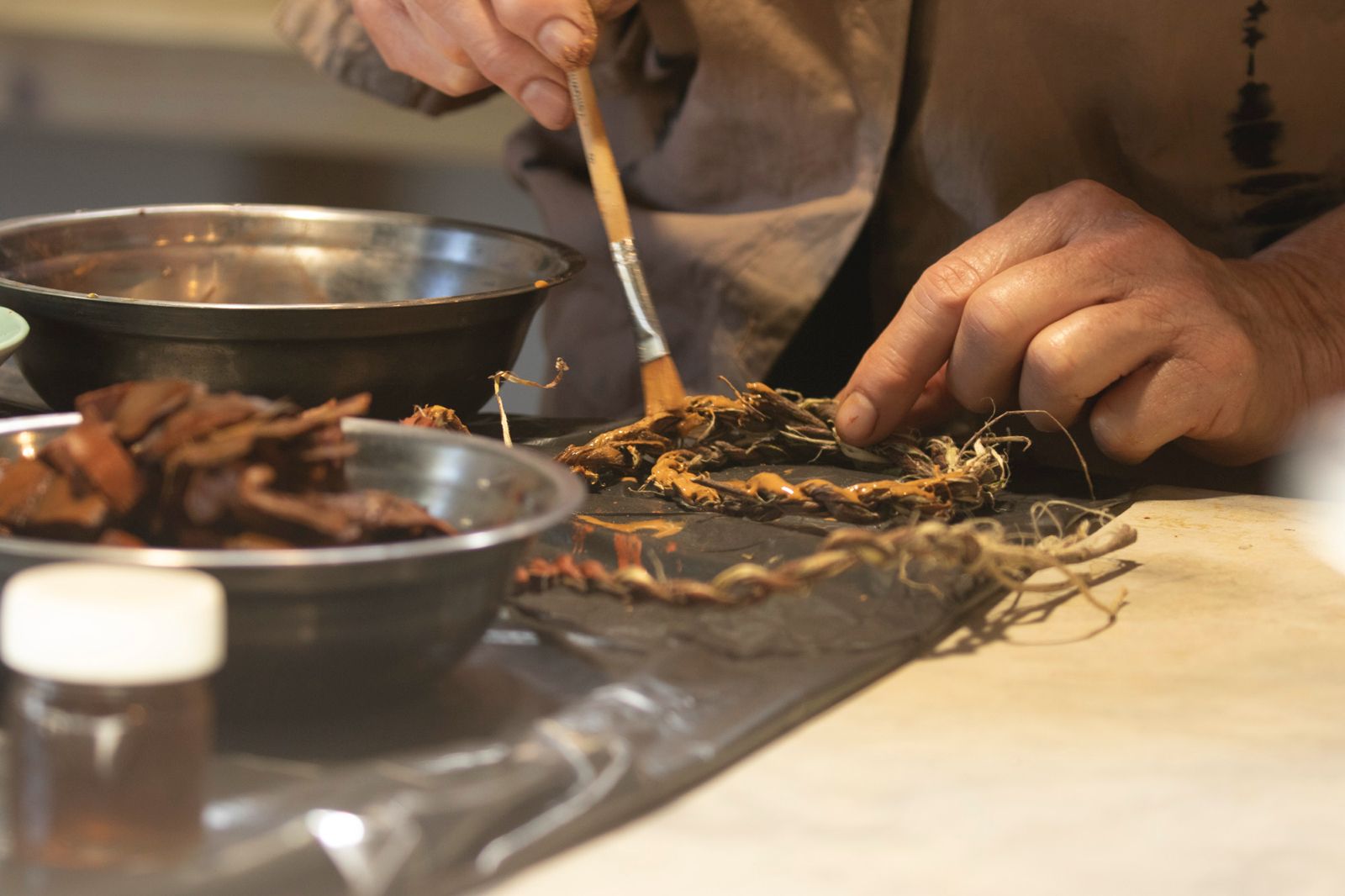
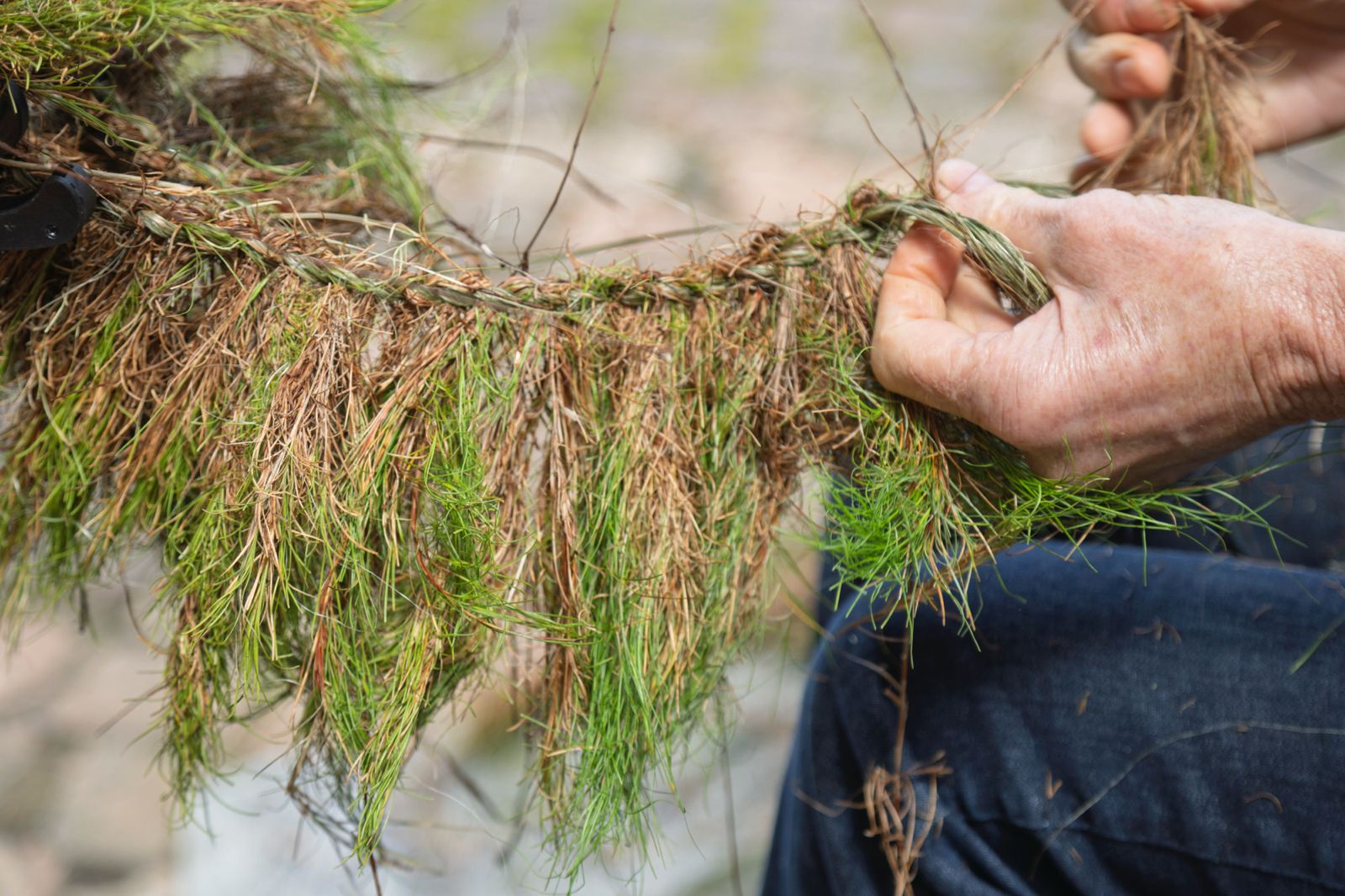
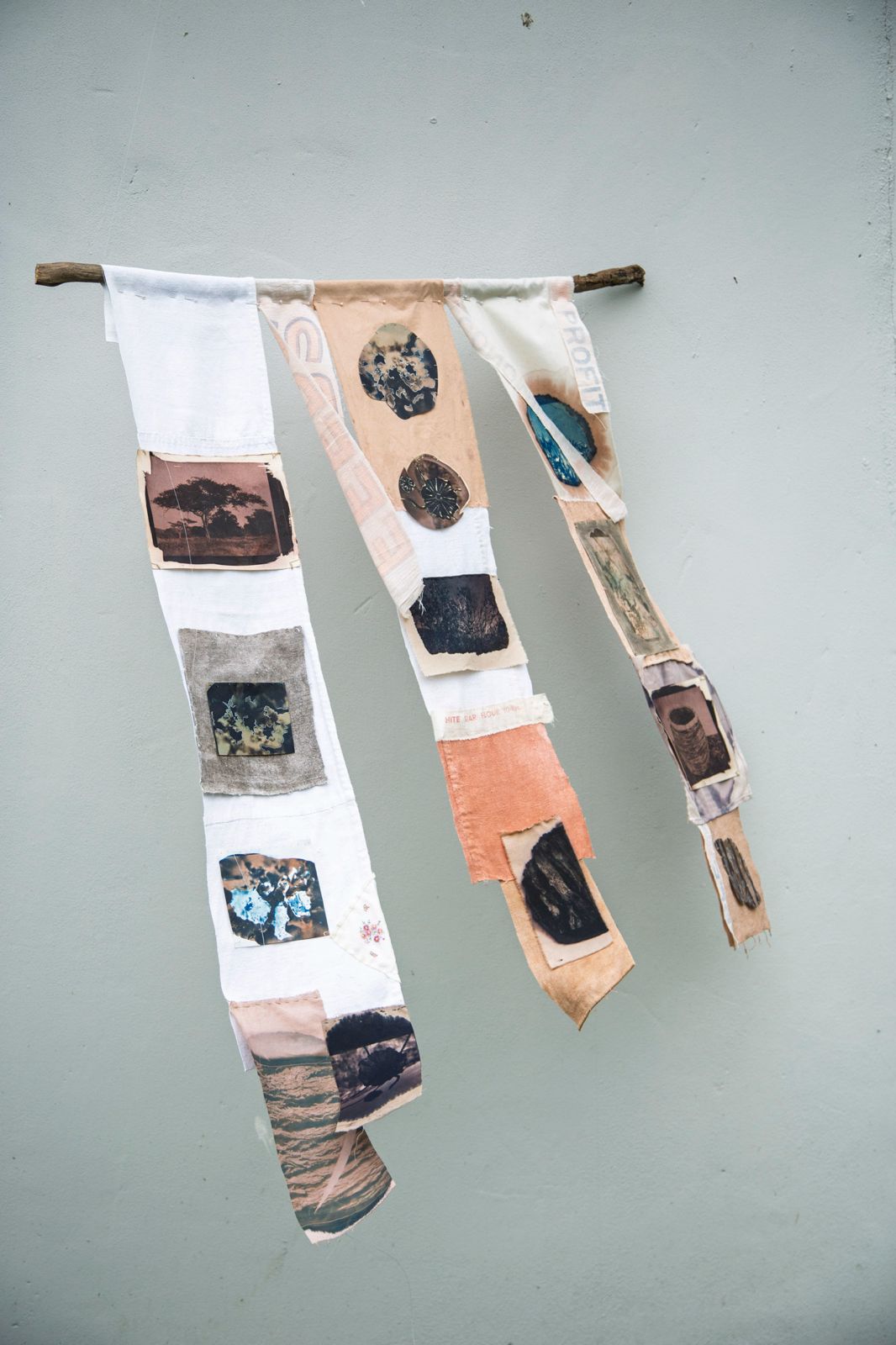
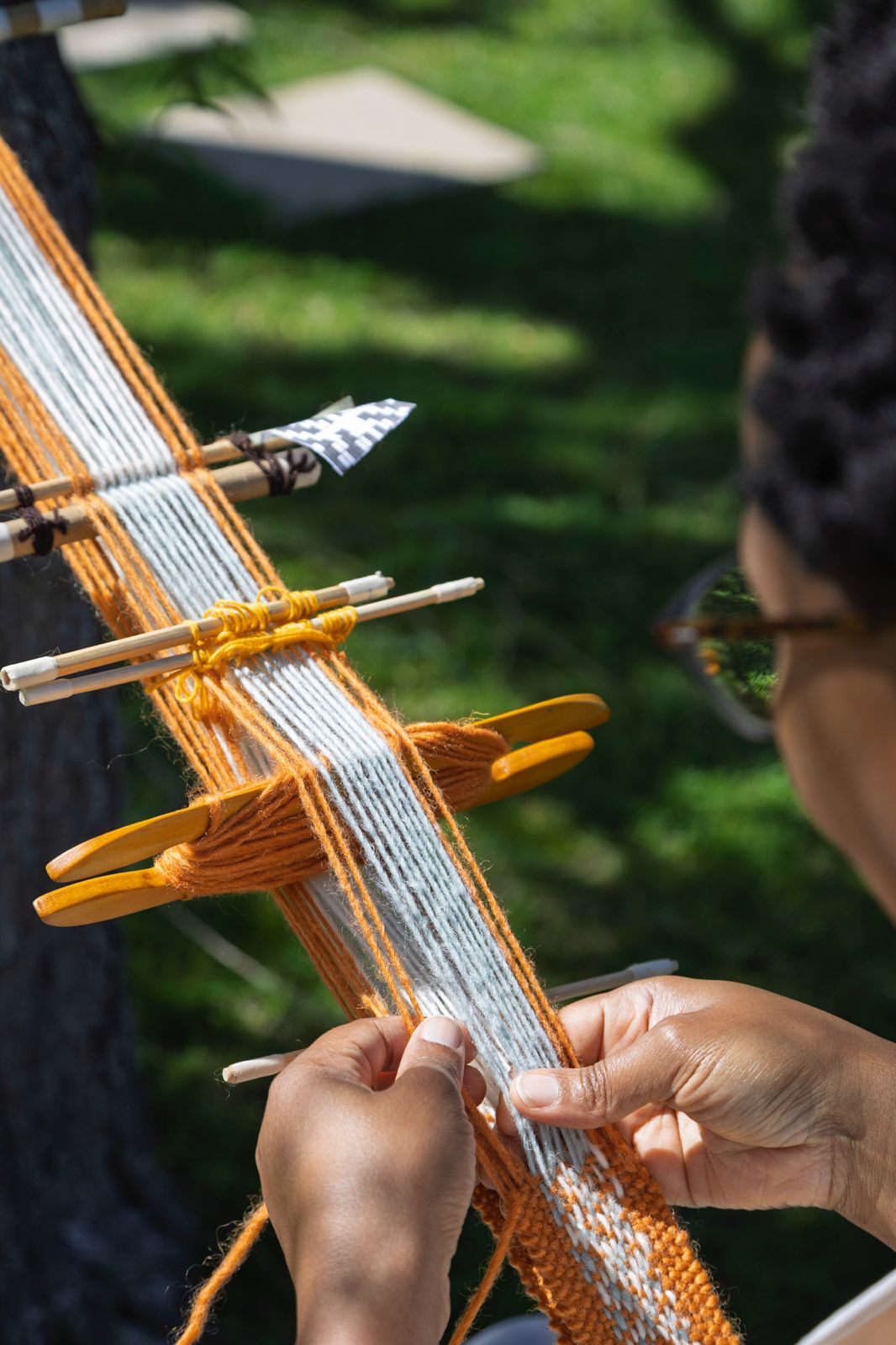
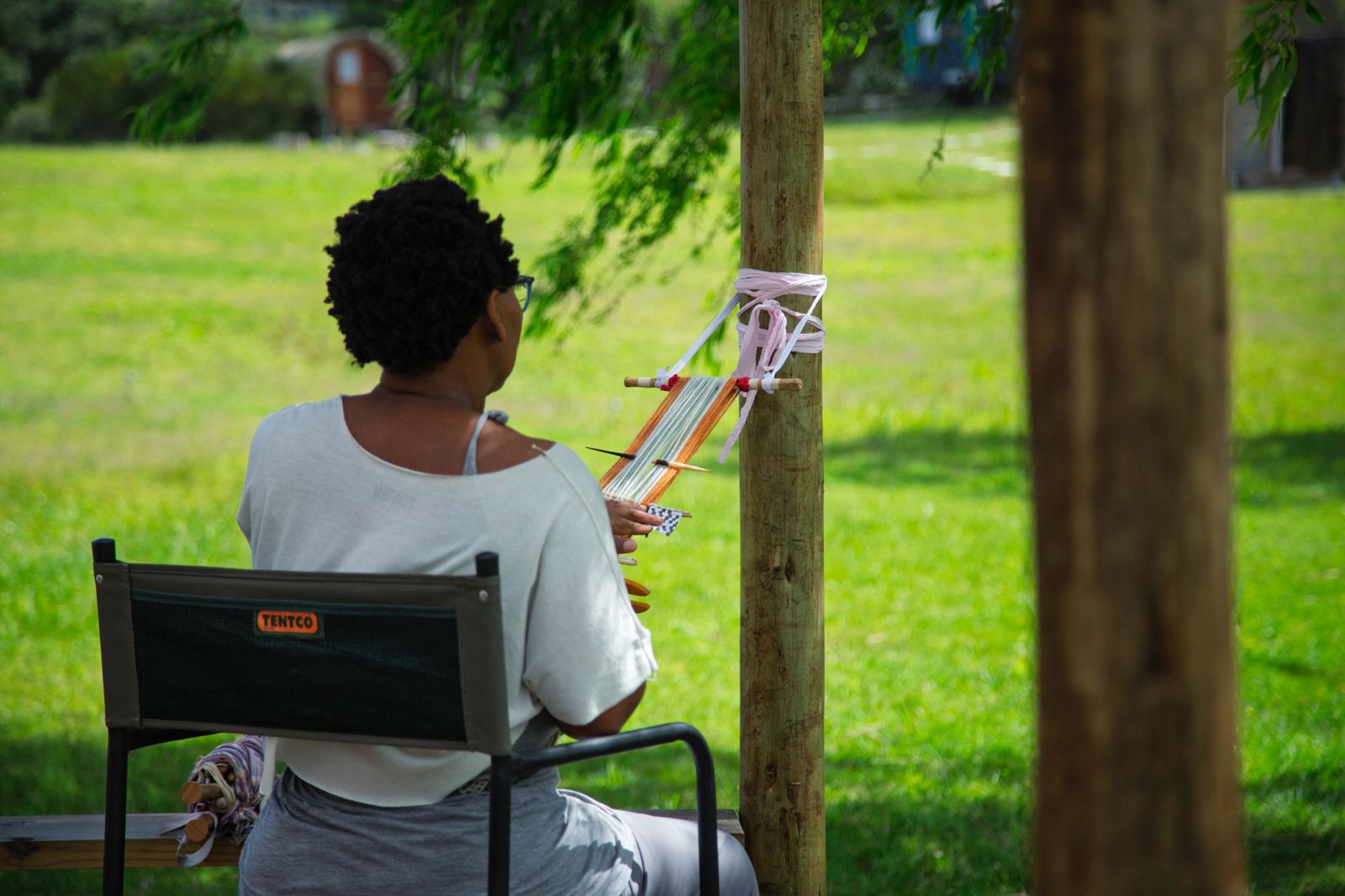
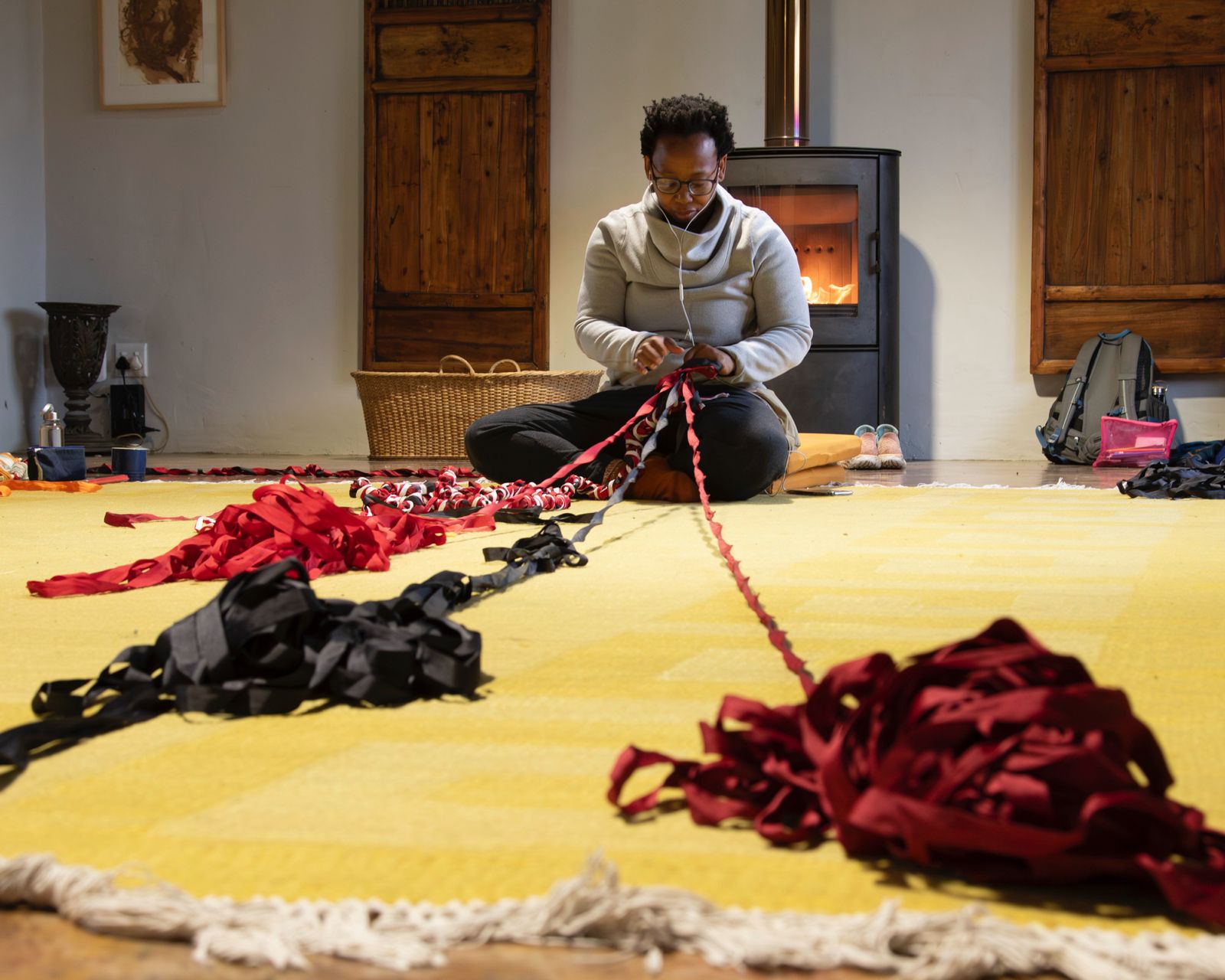
During my stay, I became increasingly attentive to the landscape and its vegetation – what grows here, what is indigenous and what is invasive. I explored the plants as a material for weaving,natural dyeing. I experimented with photographing selected plants through a magnifying glass, translating these images into cyanotypes and combining them with plant extracts and natural dyes. Alongside this, I explored plant dyeing and the use of woven materials, allowing the different processes to inform and complement one another.
I left Bodhi Khaya with new material explorations, inspiration and a renewed appreciation of the importance of time, space and artistic exchange. Most of all, I am grateful for the opportunity to have been part of this temporary community, and for the generosity of the setting and the people who made it possible.
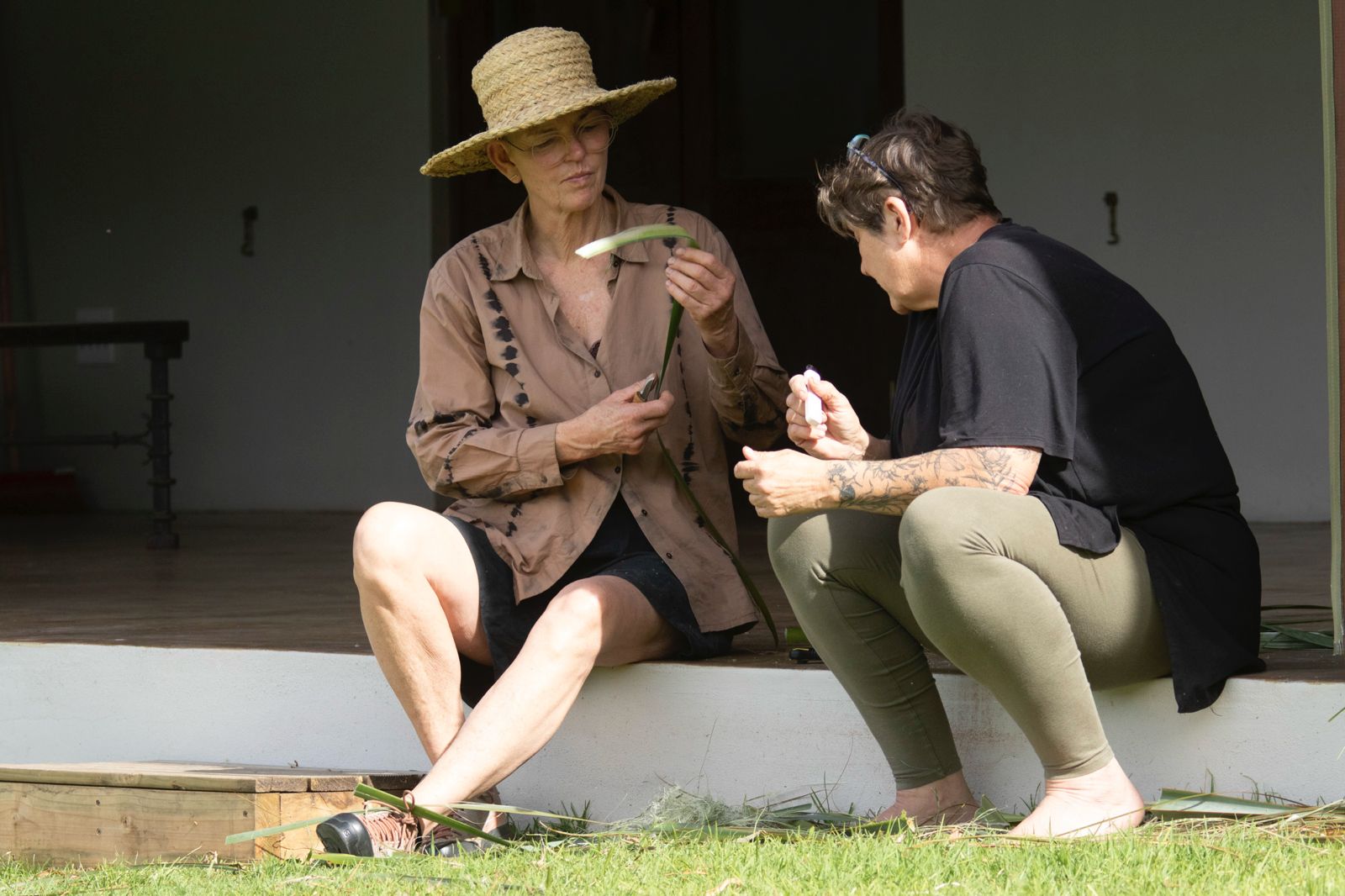
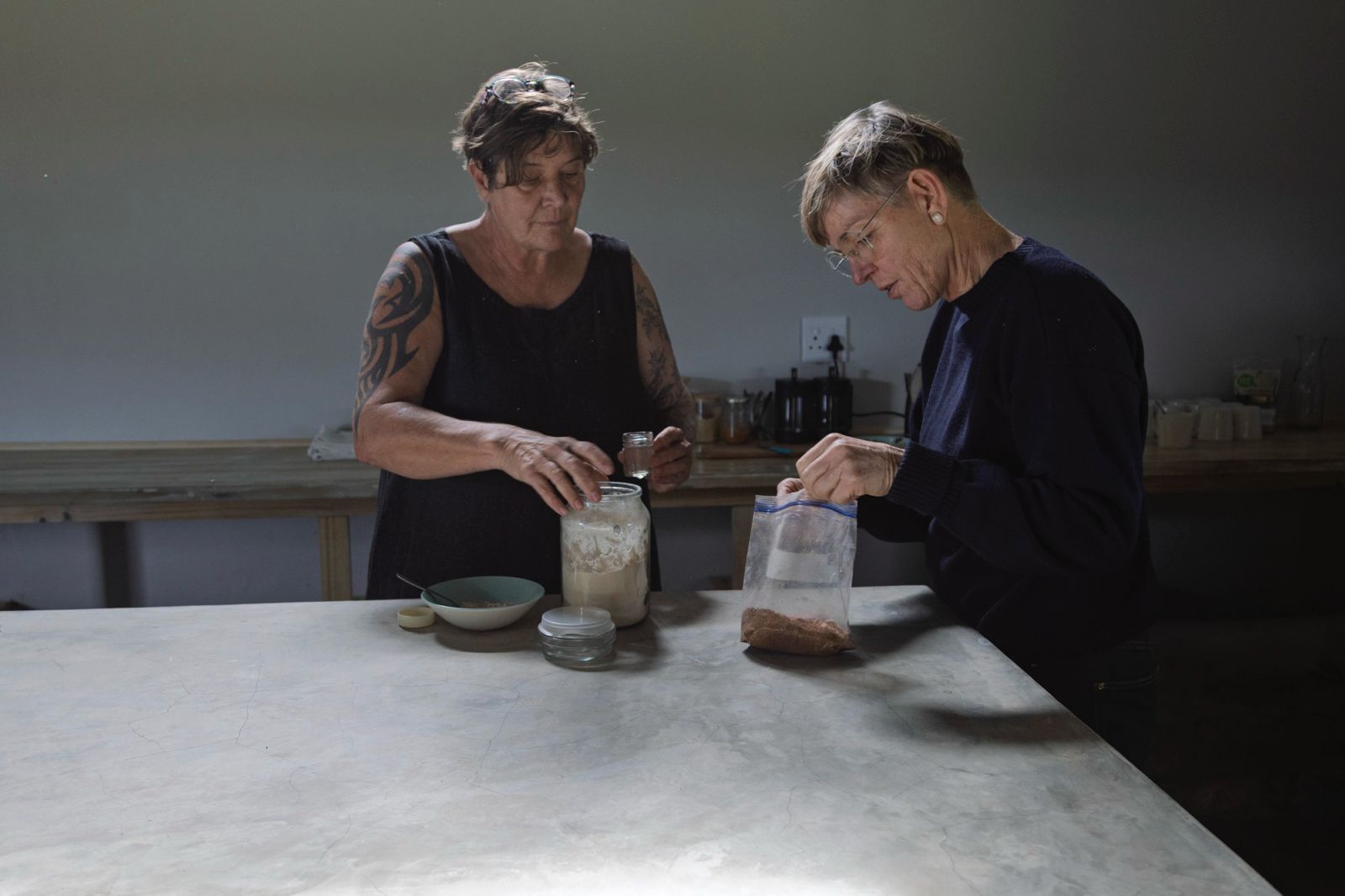
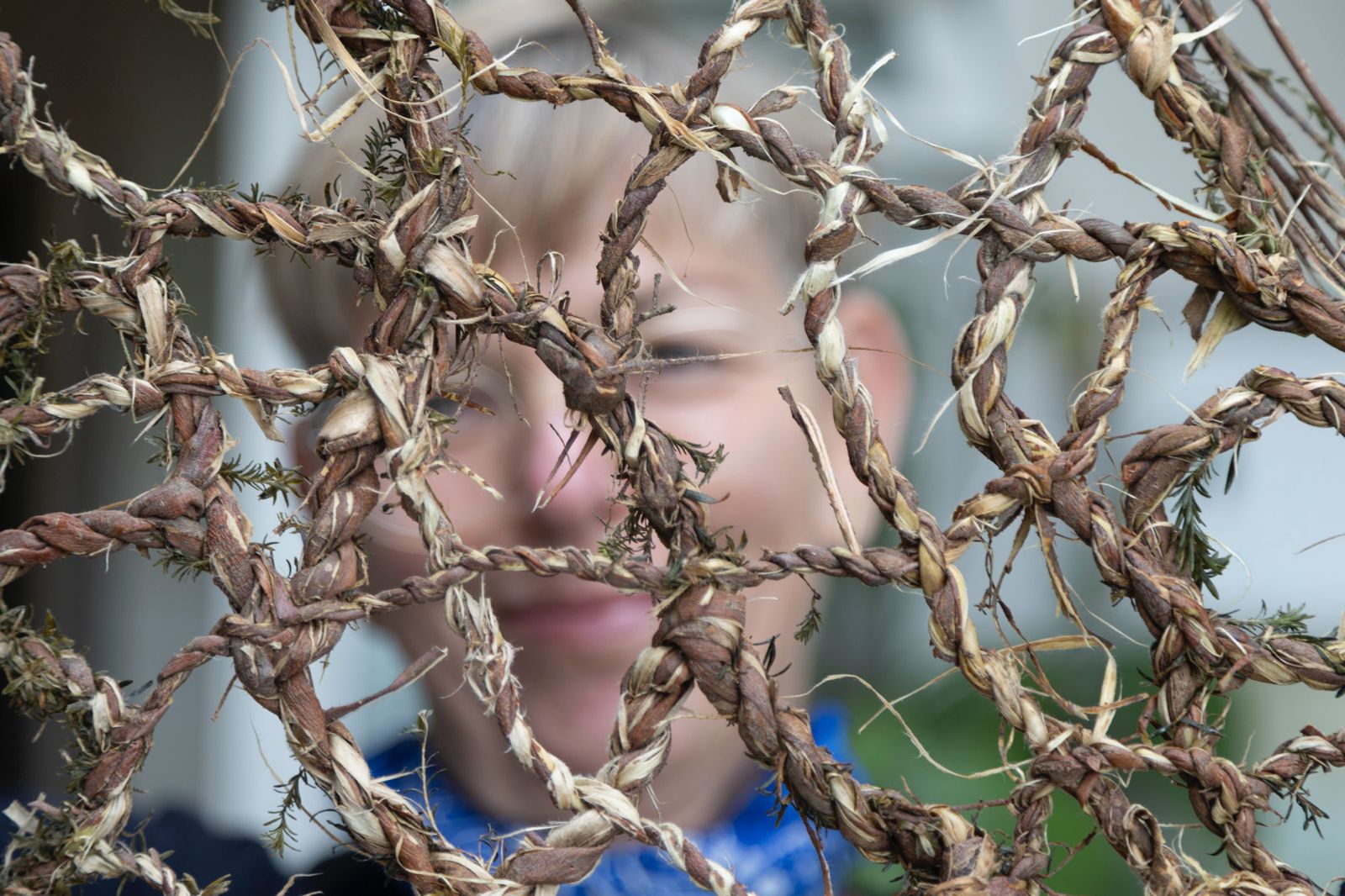
Together, as a collective, Bodhi Khaya offered us the space to workshop both the performative dimensions of our writing and the conditions of our collaboration: exploring friendship, co-authorship and the embodiment of scenography. The agentic land itself became an activator of narrative interest.
We feel invigorated by the beginnings we have made, made possible through the generosity of our accommodation and the thoughtful support of the residency team. What emerged during our time together was a starting point, from which possibilities continue to expand, branch off and develop into directions we are yet to wrangle.
Our fellow resident artists, working across diverse disciplines, each contributed in their own way, whether intangibly or through more material gestures, to forming a community of onlookers, interlocutors and nurturers around our seedling project. We are deeply grateful to have been offered a space in which to be weird, absurd and, in some respects, beginners.
Whatever this project might grow into, however immense or ambitious its production, its roots will remain firmly grounded in the forest at Bodhi Khaya, and in the generosity of the audience that witnessed its first form.
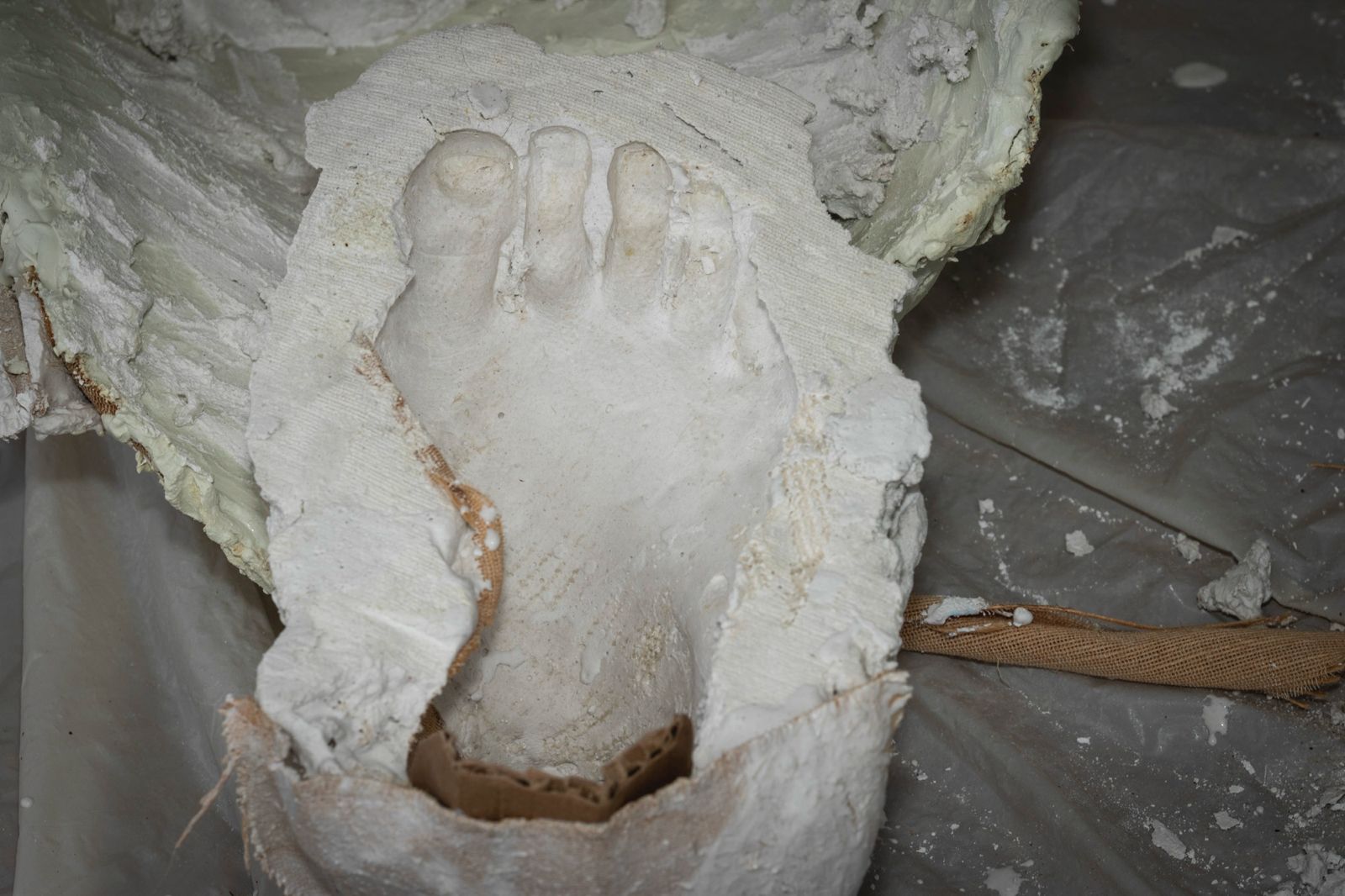
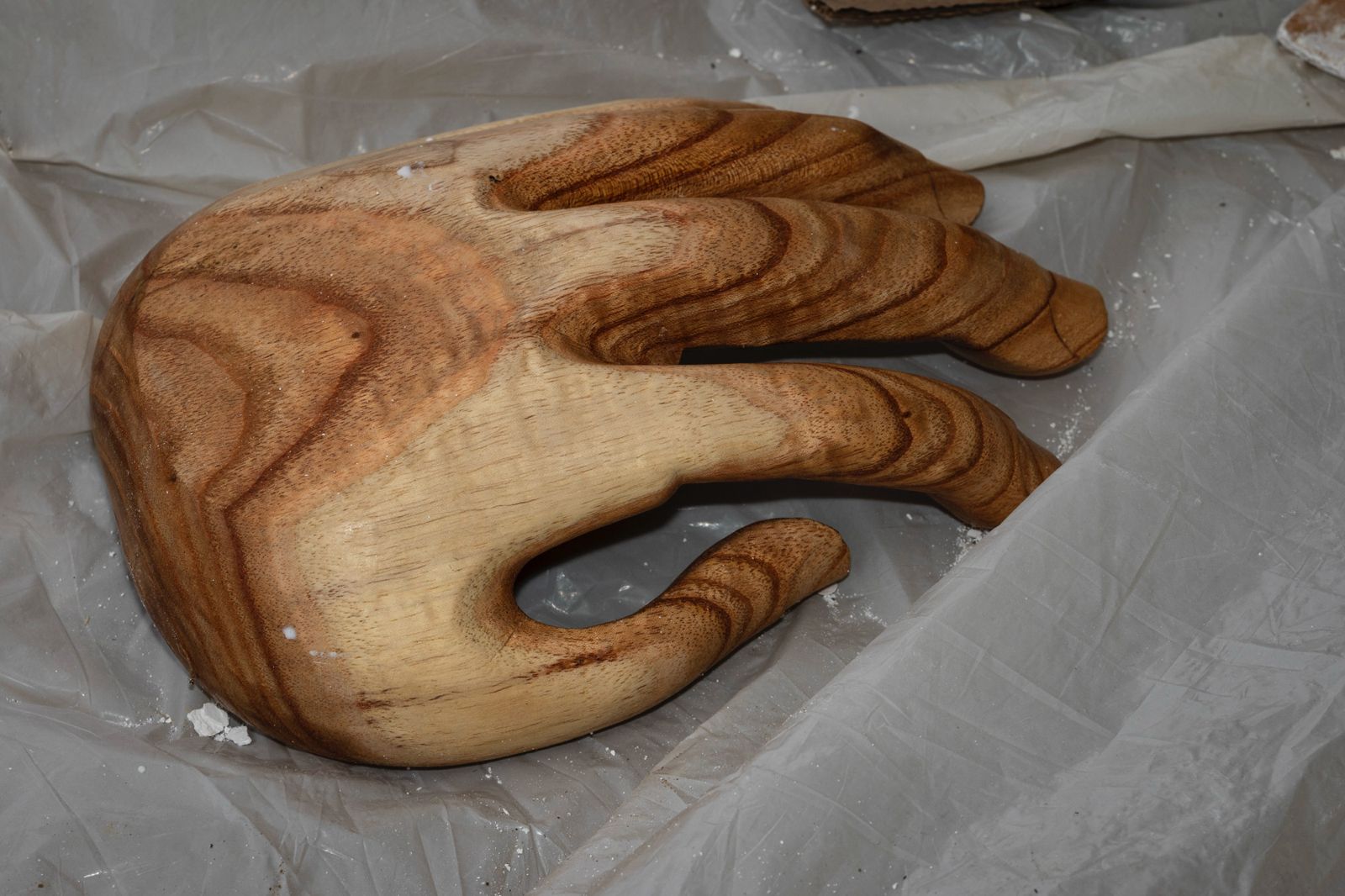
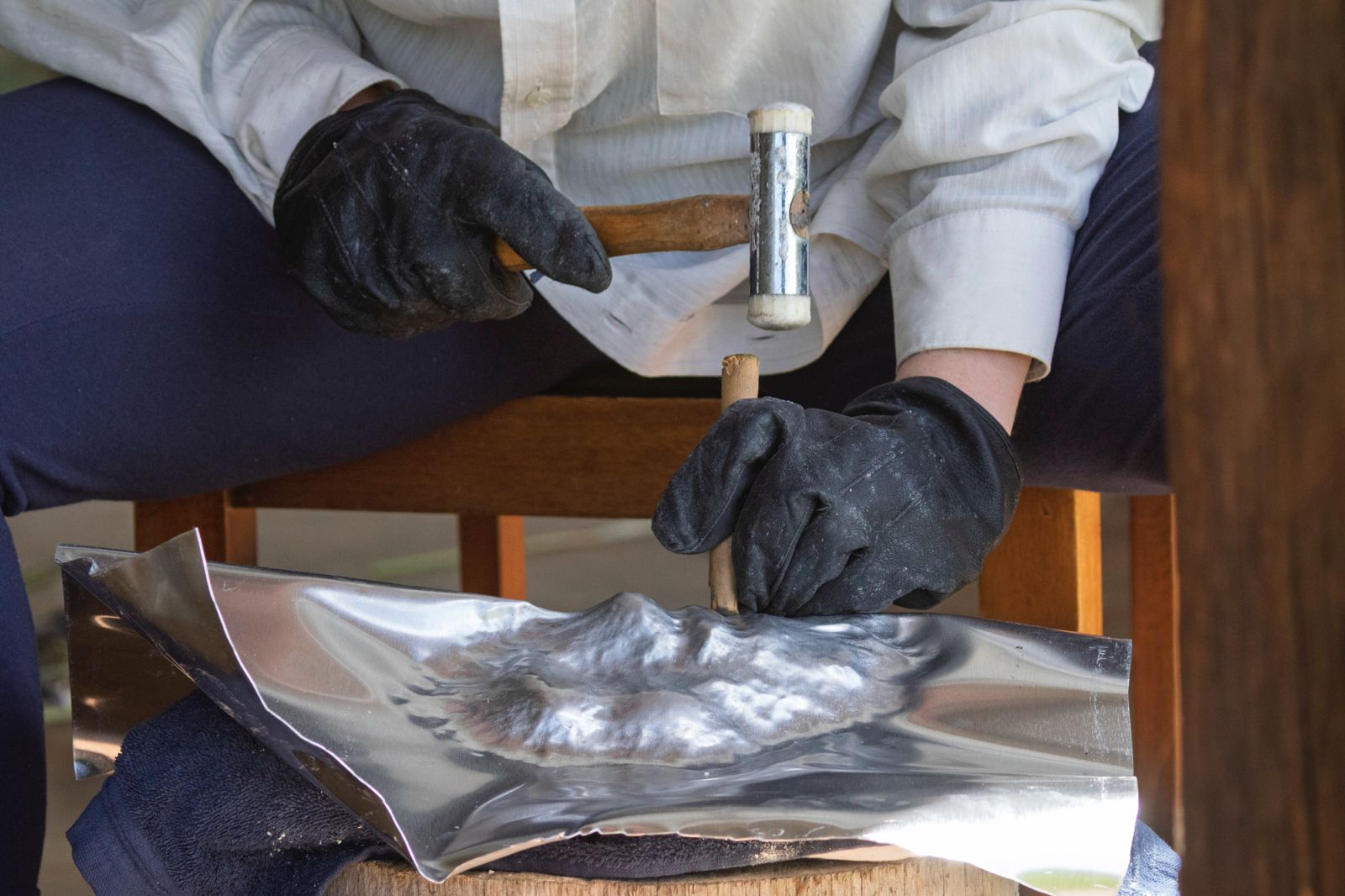
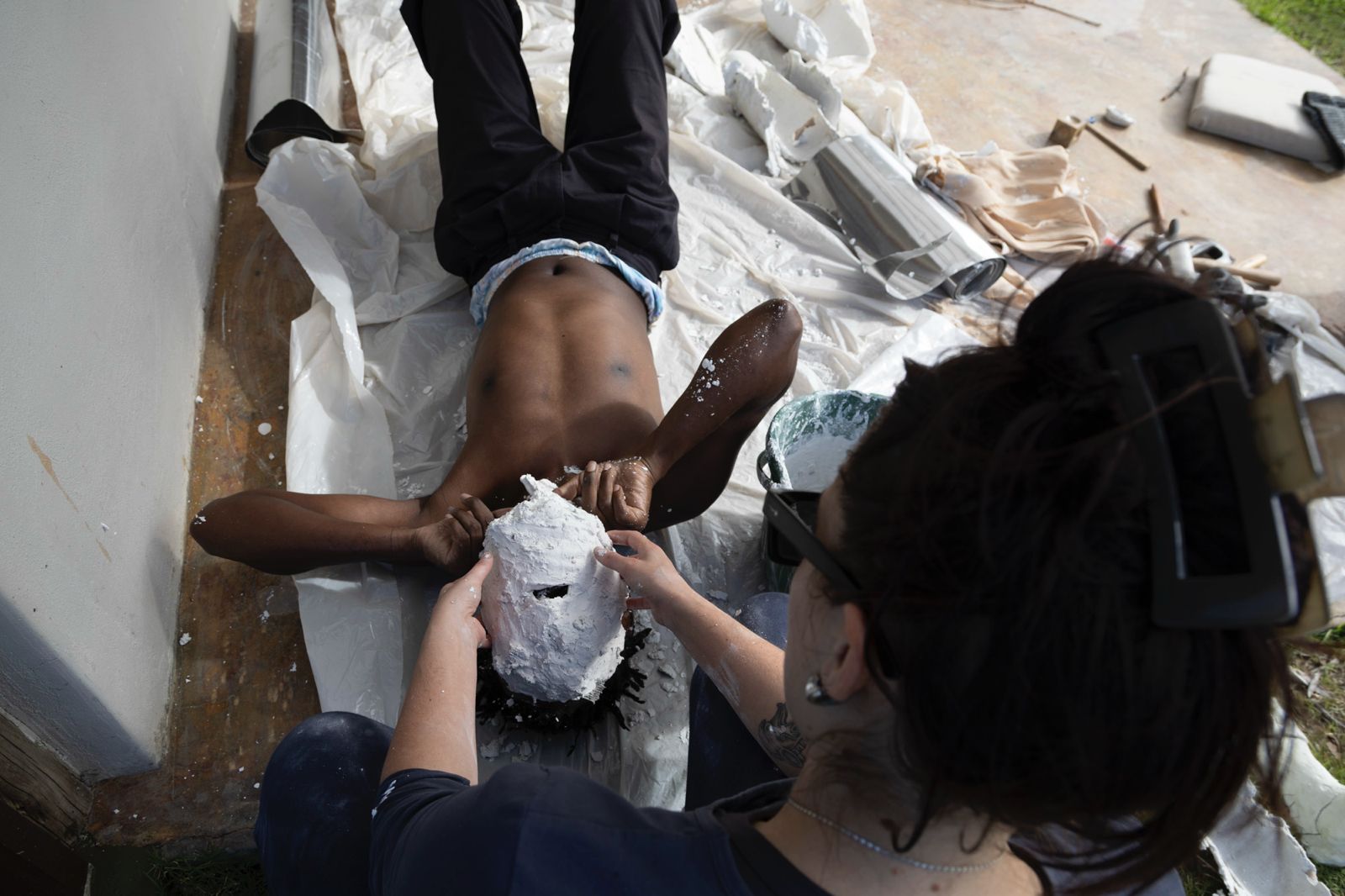
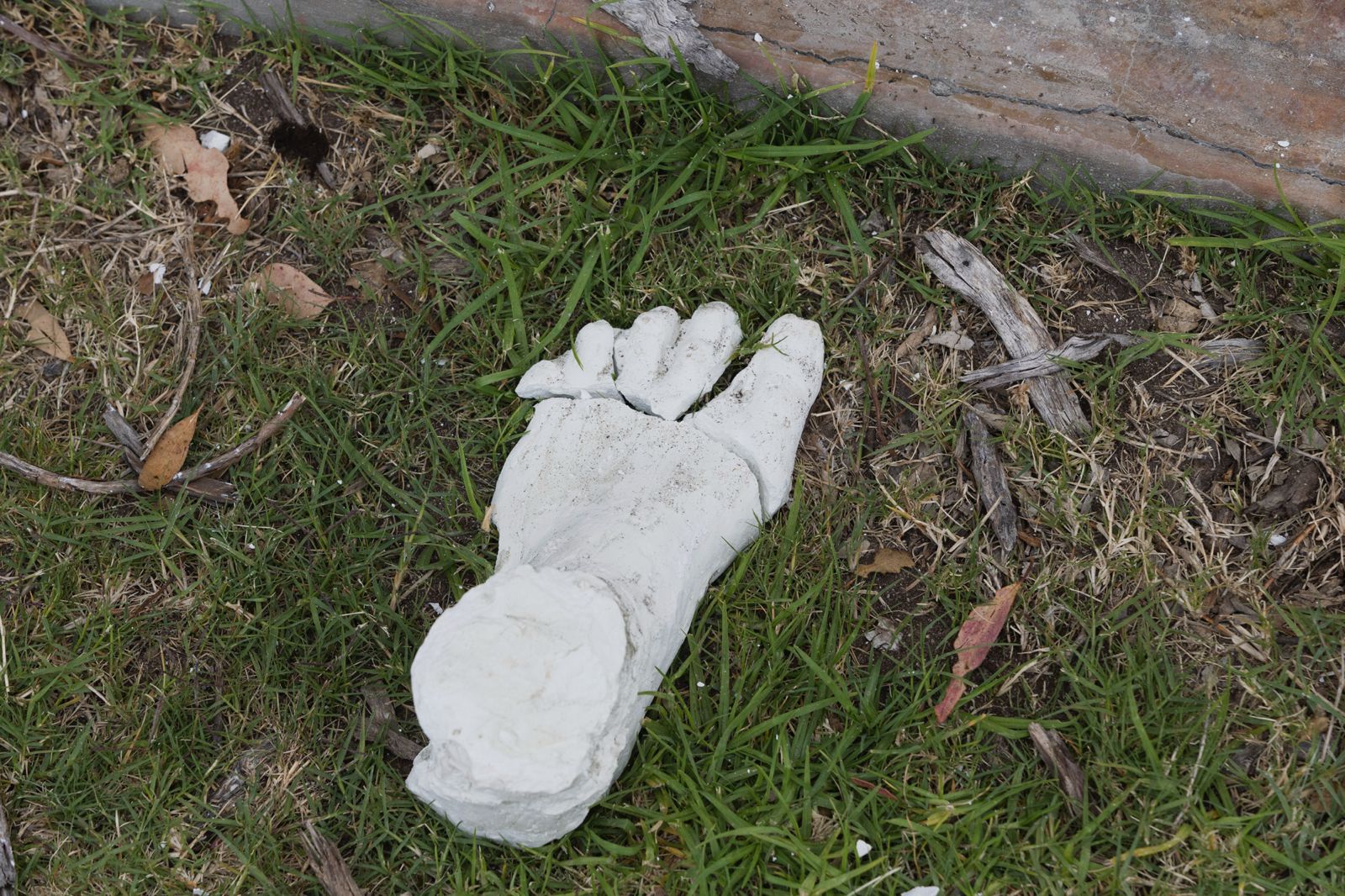
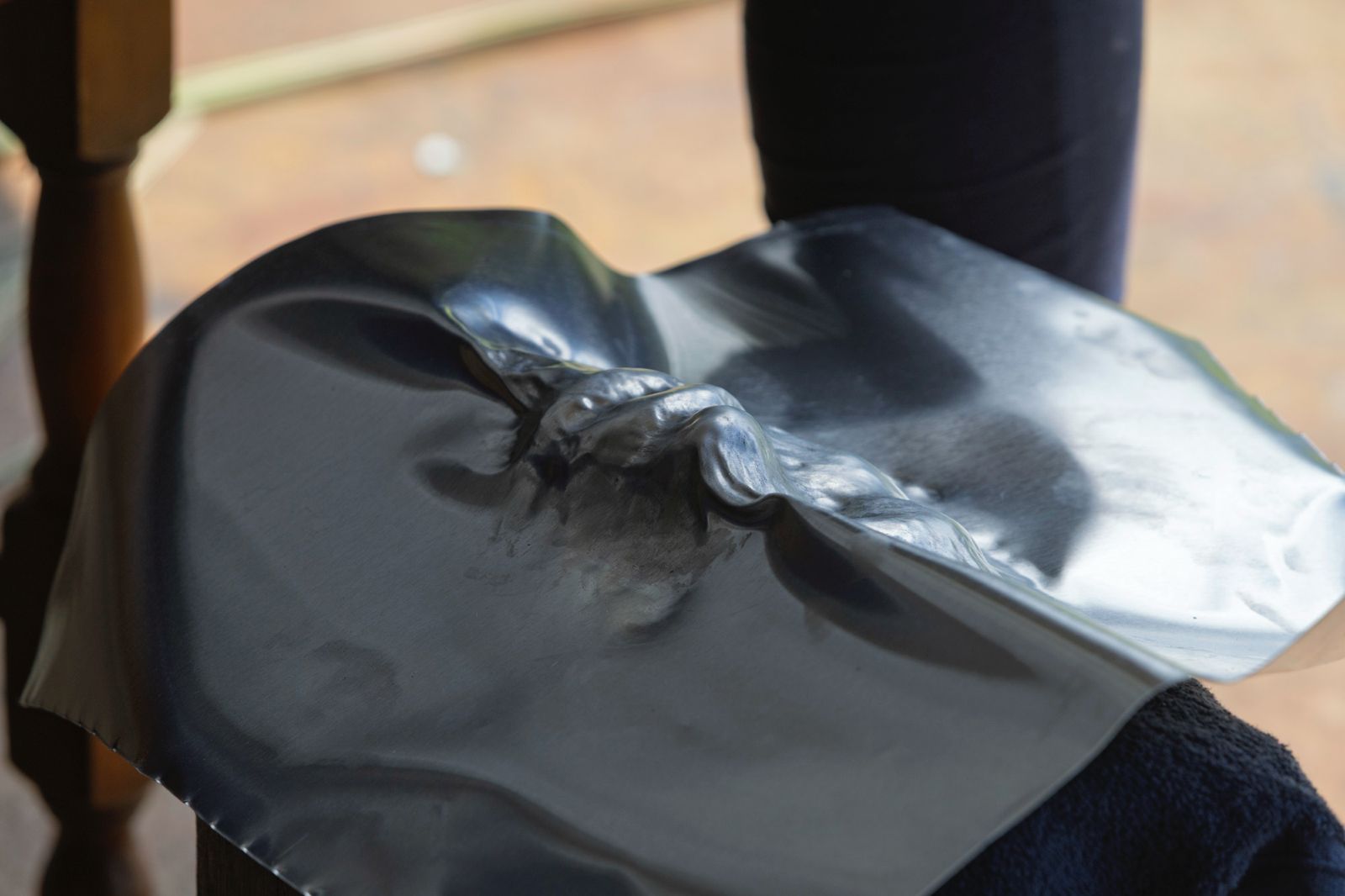
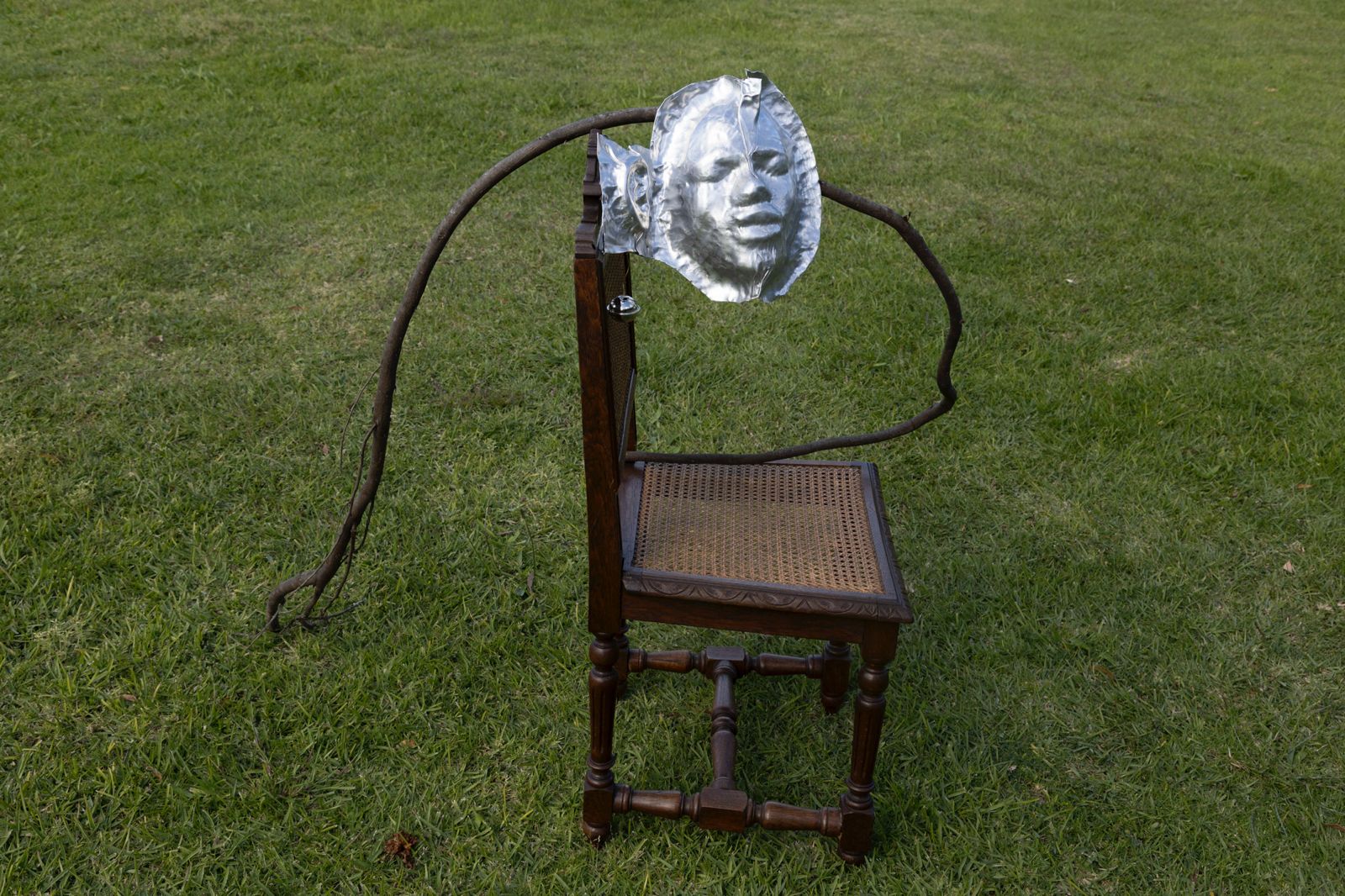
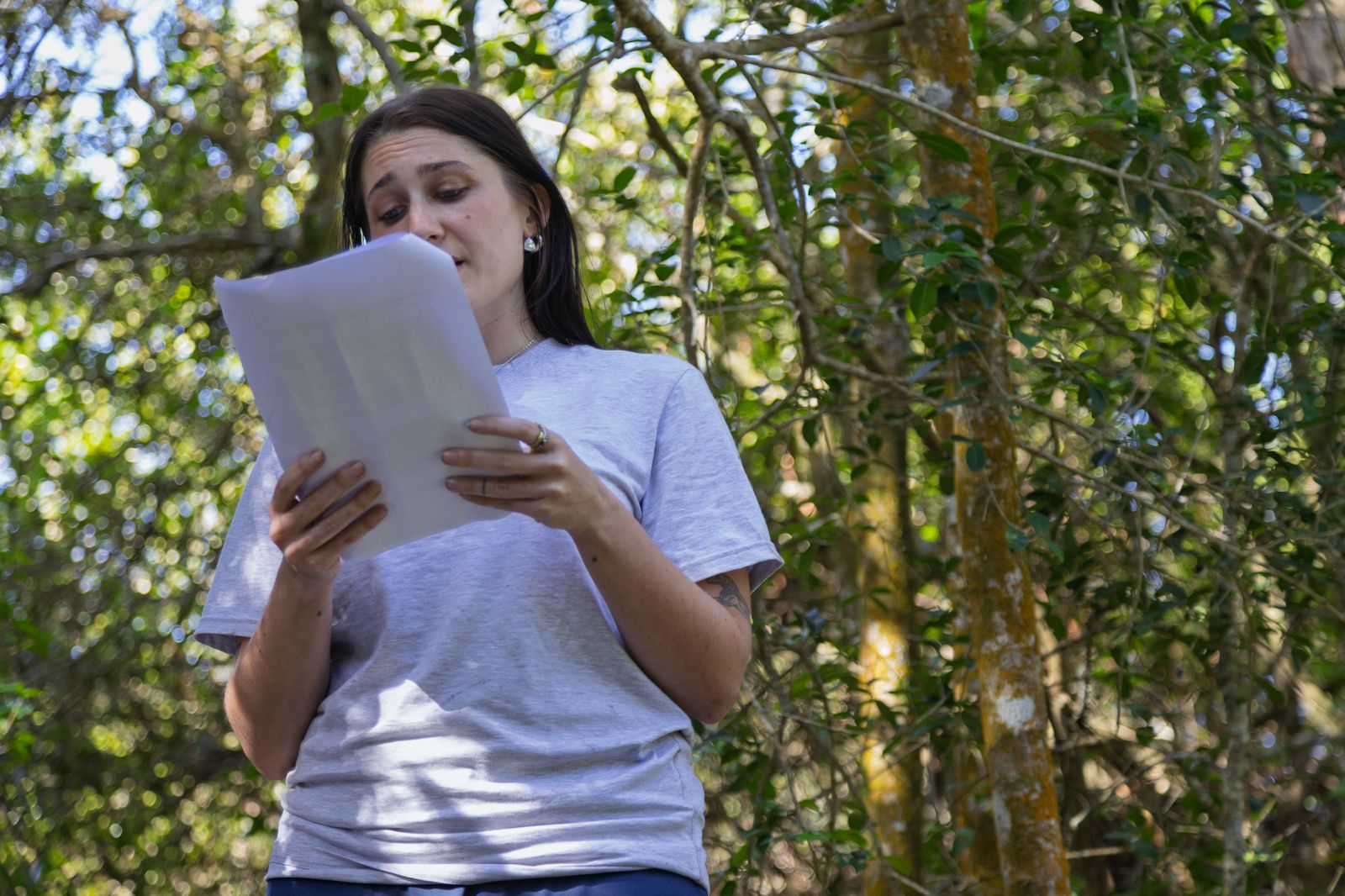
One of the things that was profound for me at the Bodhi Khaya residency was the incredibly cohesive and supportive community that I experienced, being able to focus on thinking and research and development while breakfast, lunch and dinner was taken care of in this beautiful home with great bedding and an incredible lounge with fireplaces. It gave my soul some time to think about my work and art making.
While I was there, I found myself inspired by encounters with the other artists on residence, by the sounds of the area around us, and our daily circle where we shared how our art explorations went for the day. It helped me remember what’s foundational to my practice; where I listen to a place, and I listen to people’s stories, and I think about the layers, like stratification, it is made of the emotional layers, the social layers, the geological layers, the layers of the forest, of the home we stayed in, of the fires we made, the meals we shared.
What I didn’t expect was to realise how much I’d stopped taking up space, but here space and time is what we had. What remains with me post-residency is raw material; physical, mental, sonic, and written, that I feel inspired to keep working with.
I’m so grateful to the team and sponsors for this world class residency.
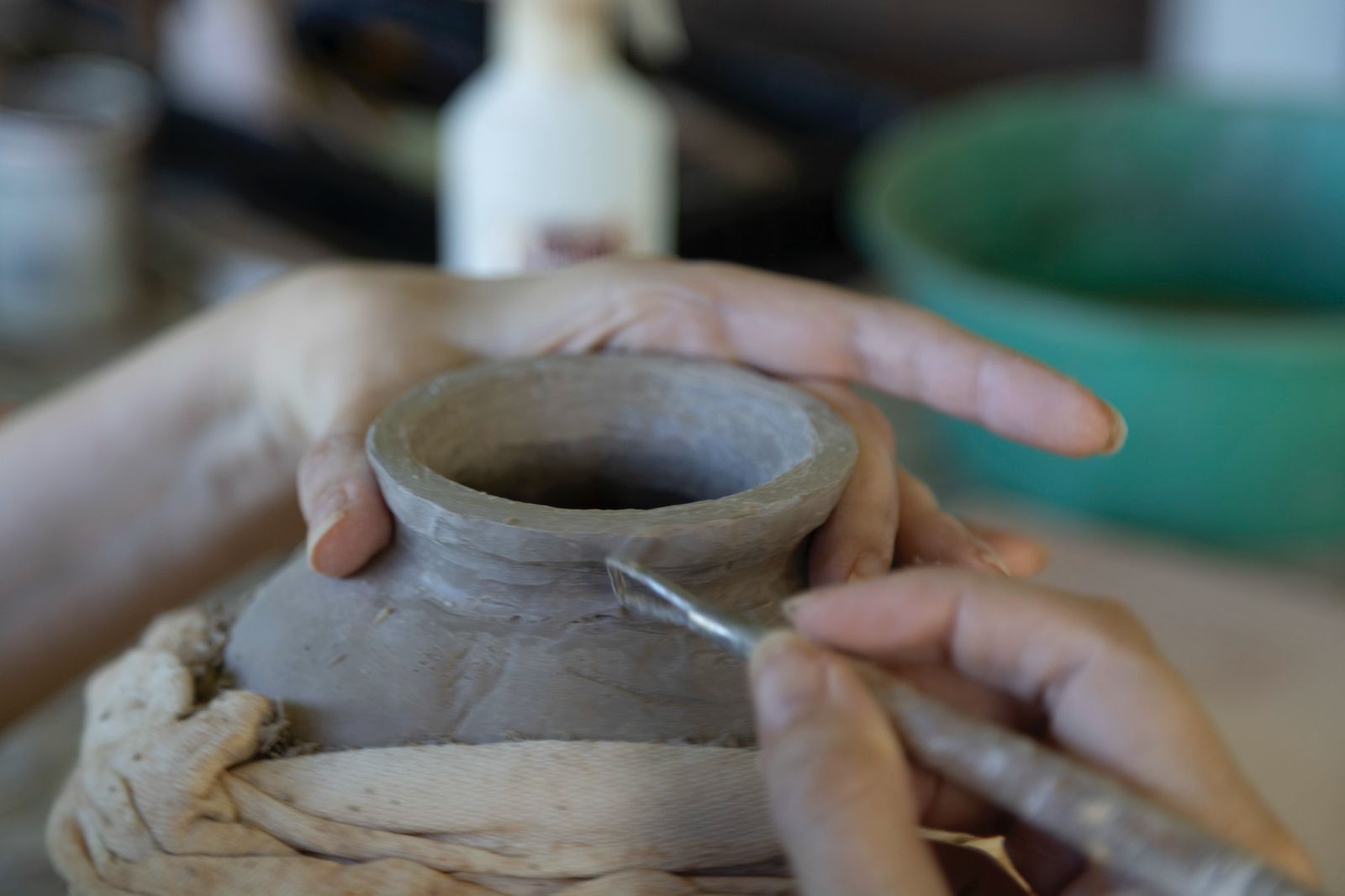
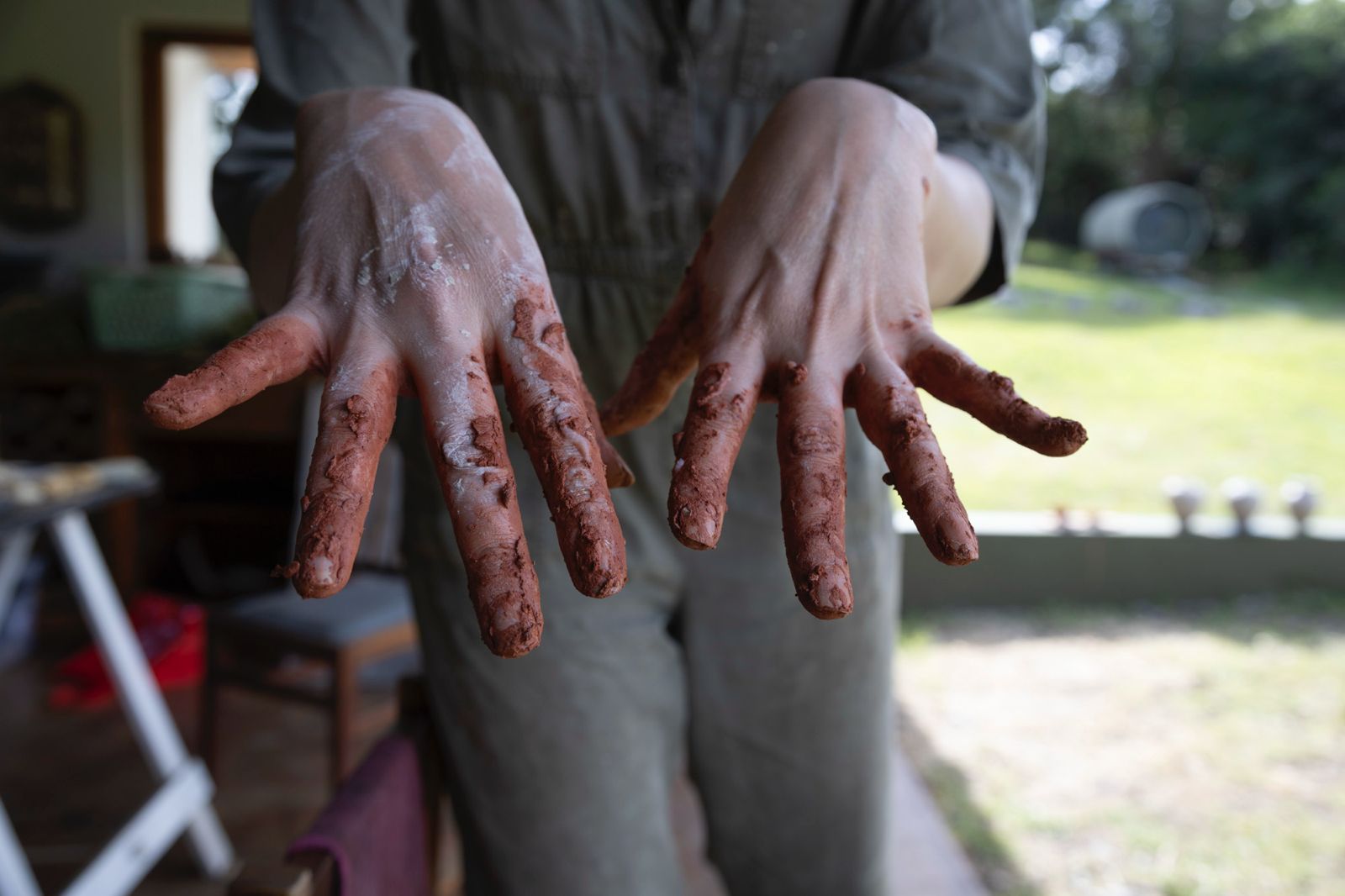
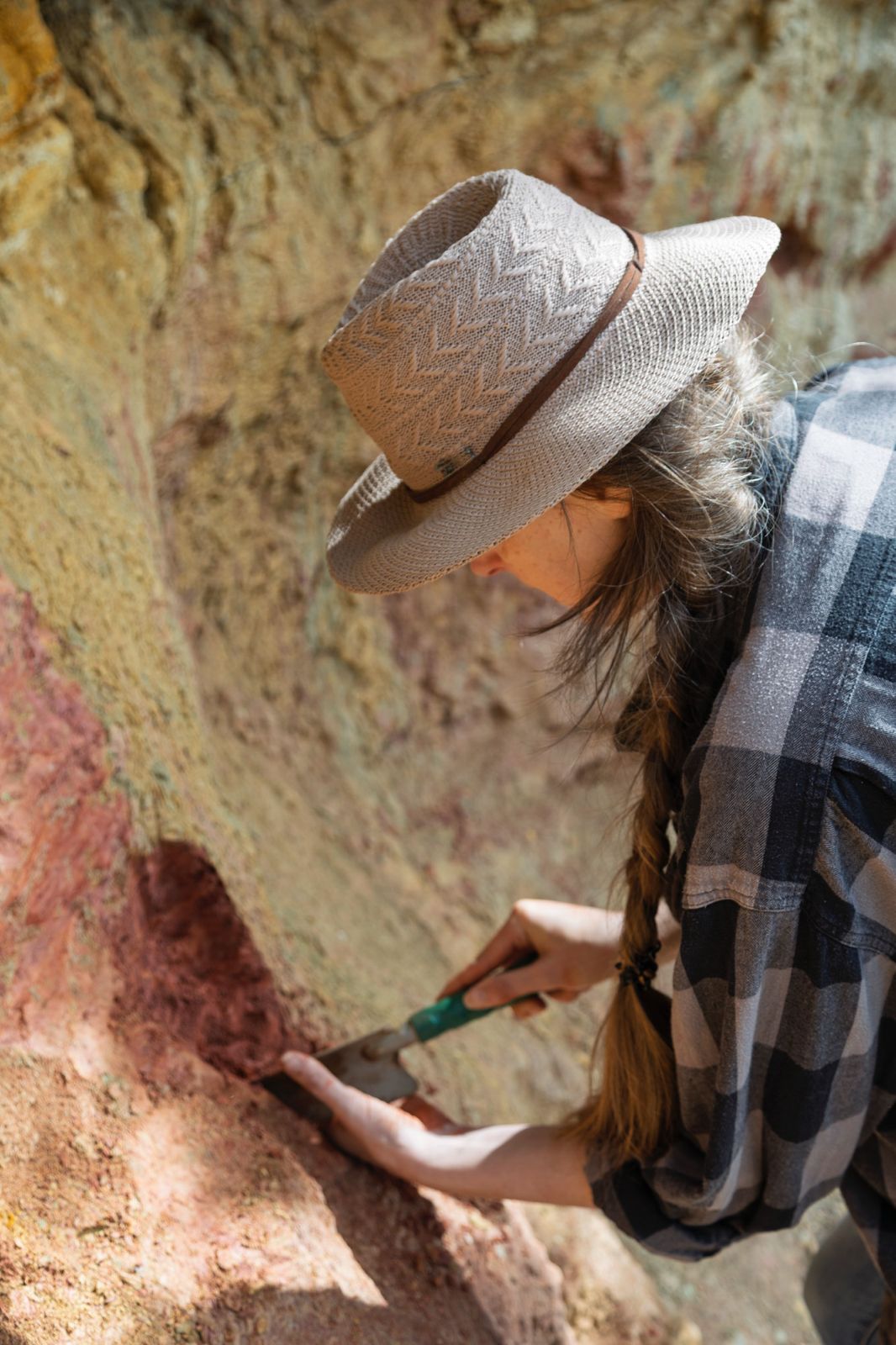
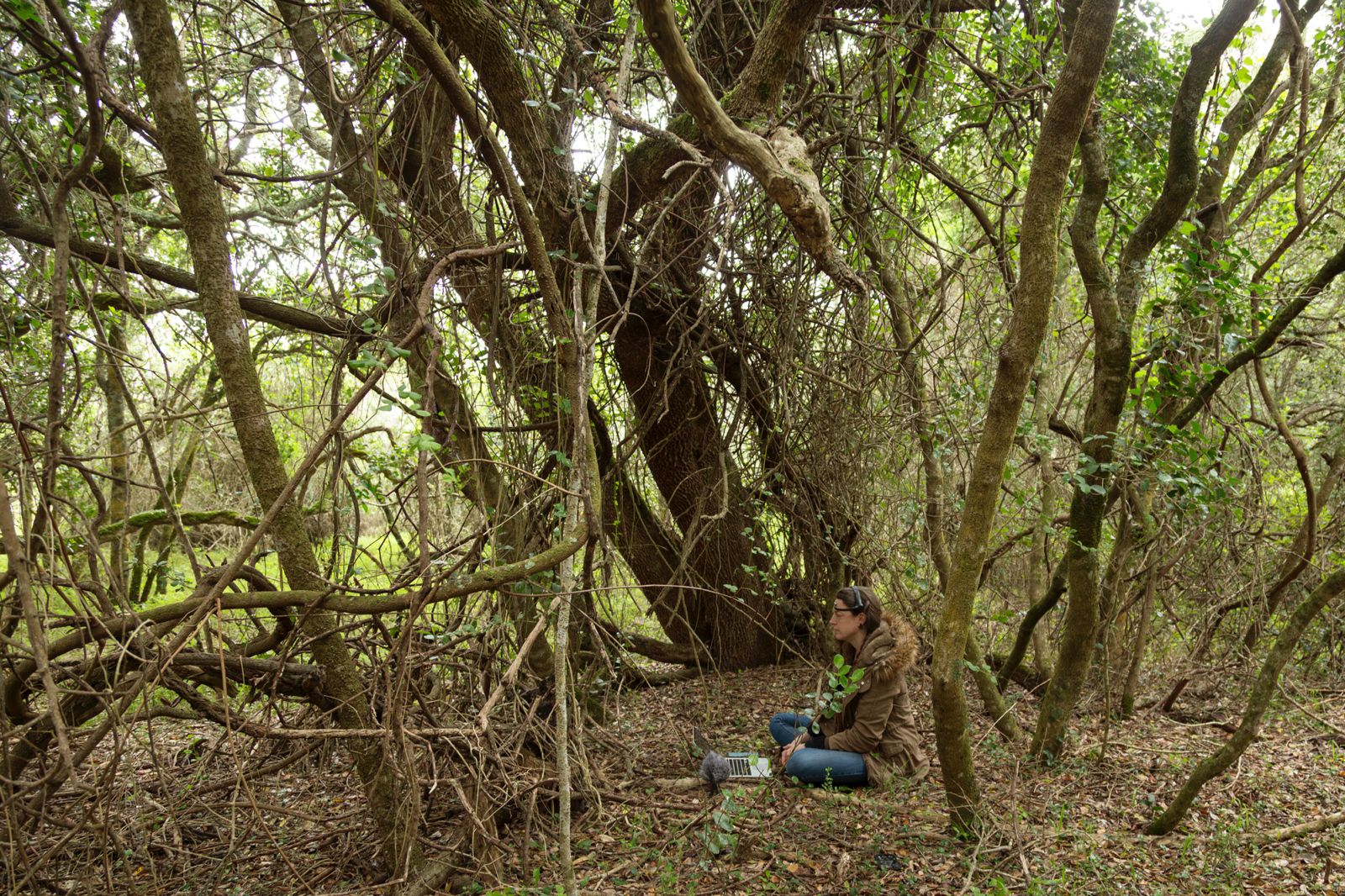
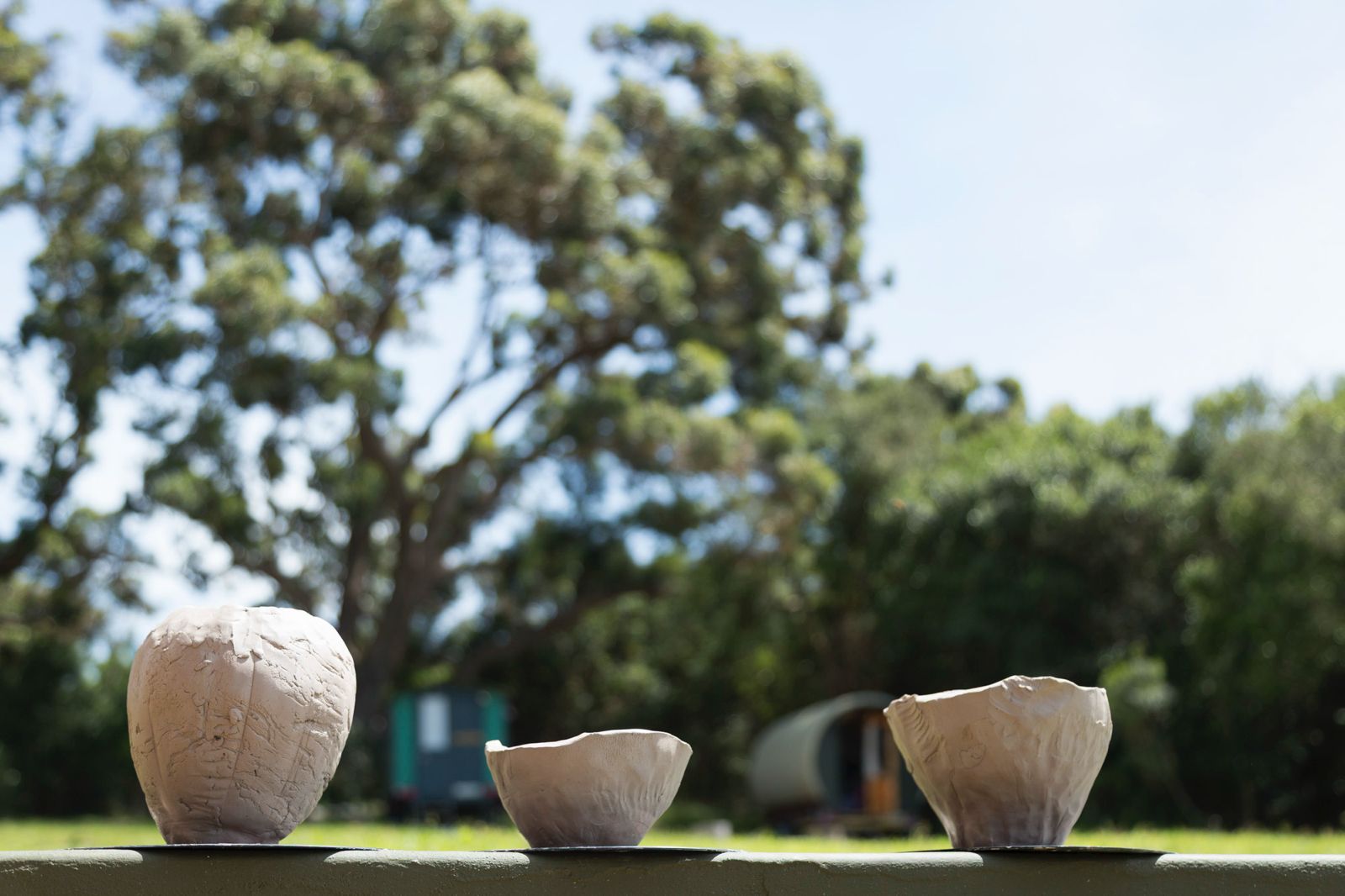
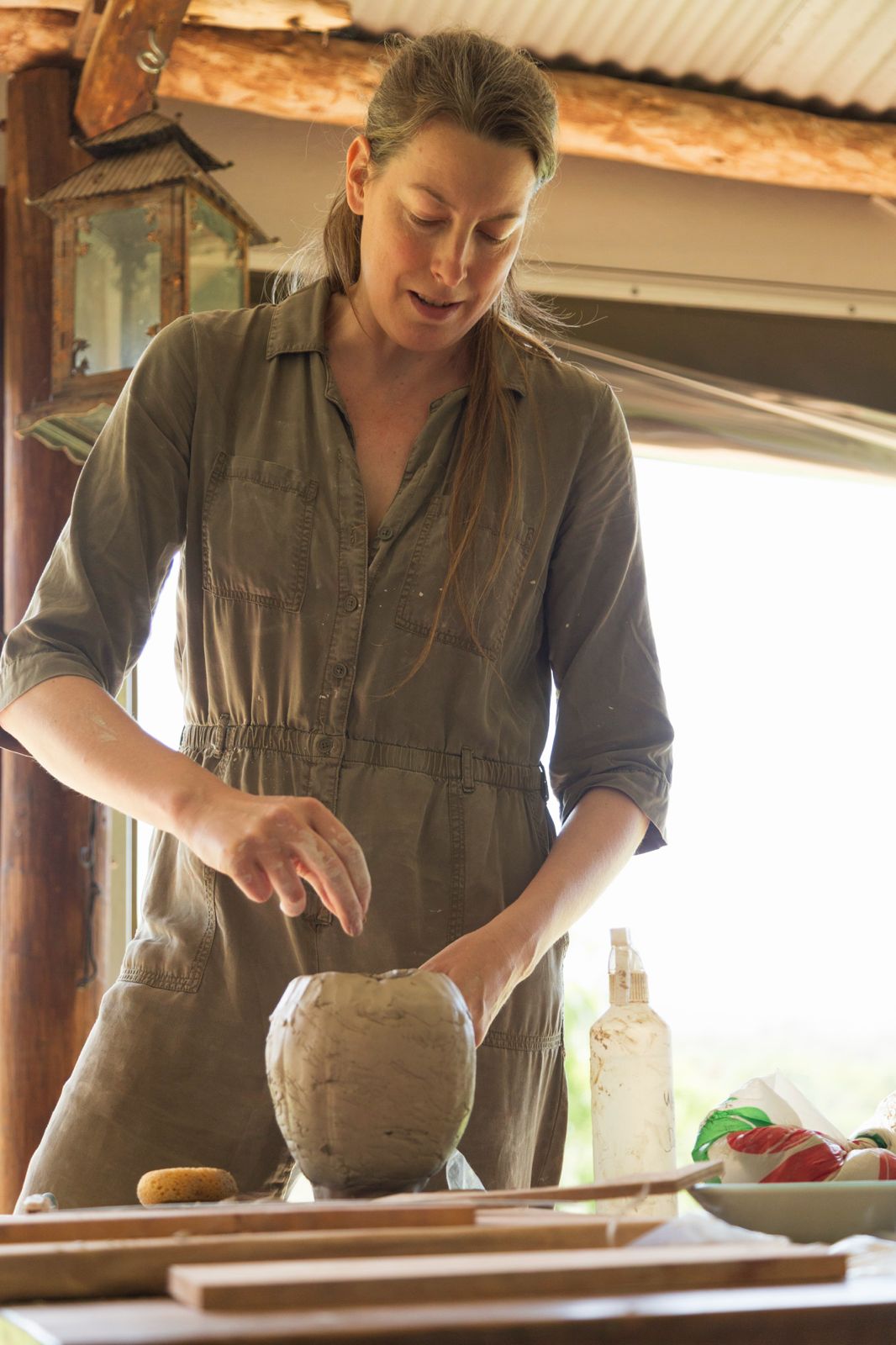
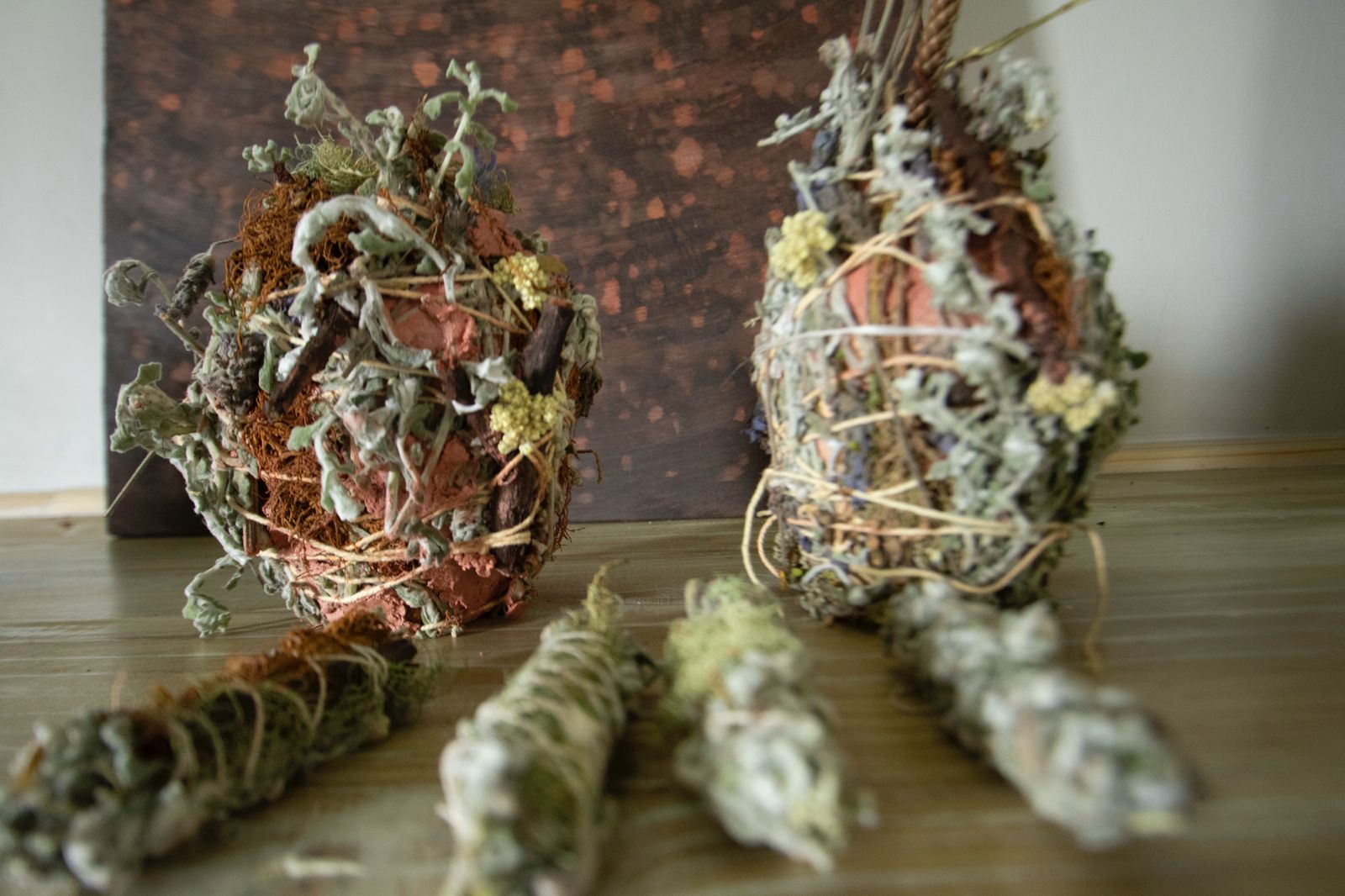
Spending time in a landscape where one can truly feel the deep time of those who came before us, sense the ancient patience of the Afromontane forest and continually hear the song of so many birds is everything an artist could hope for. Combined with the company of other gentle, earth-conscious artists and the generosity of our patient hosts, one cannot help but leave the experience feeling nurtured.
Beyond this sense of restoration, the support of this community allowed me to experiment with ideas I had previously considered taboo. Bodhi Khaya Forest expanded my practice and sent me back into the world inspired and with a renewed sense of what is possible.
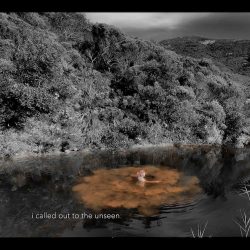
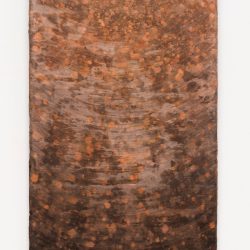
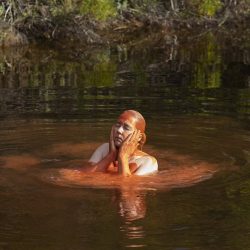
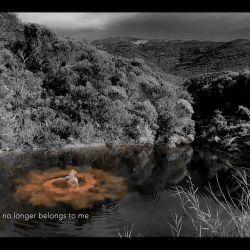
“The Water is Full of Stars”
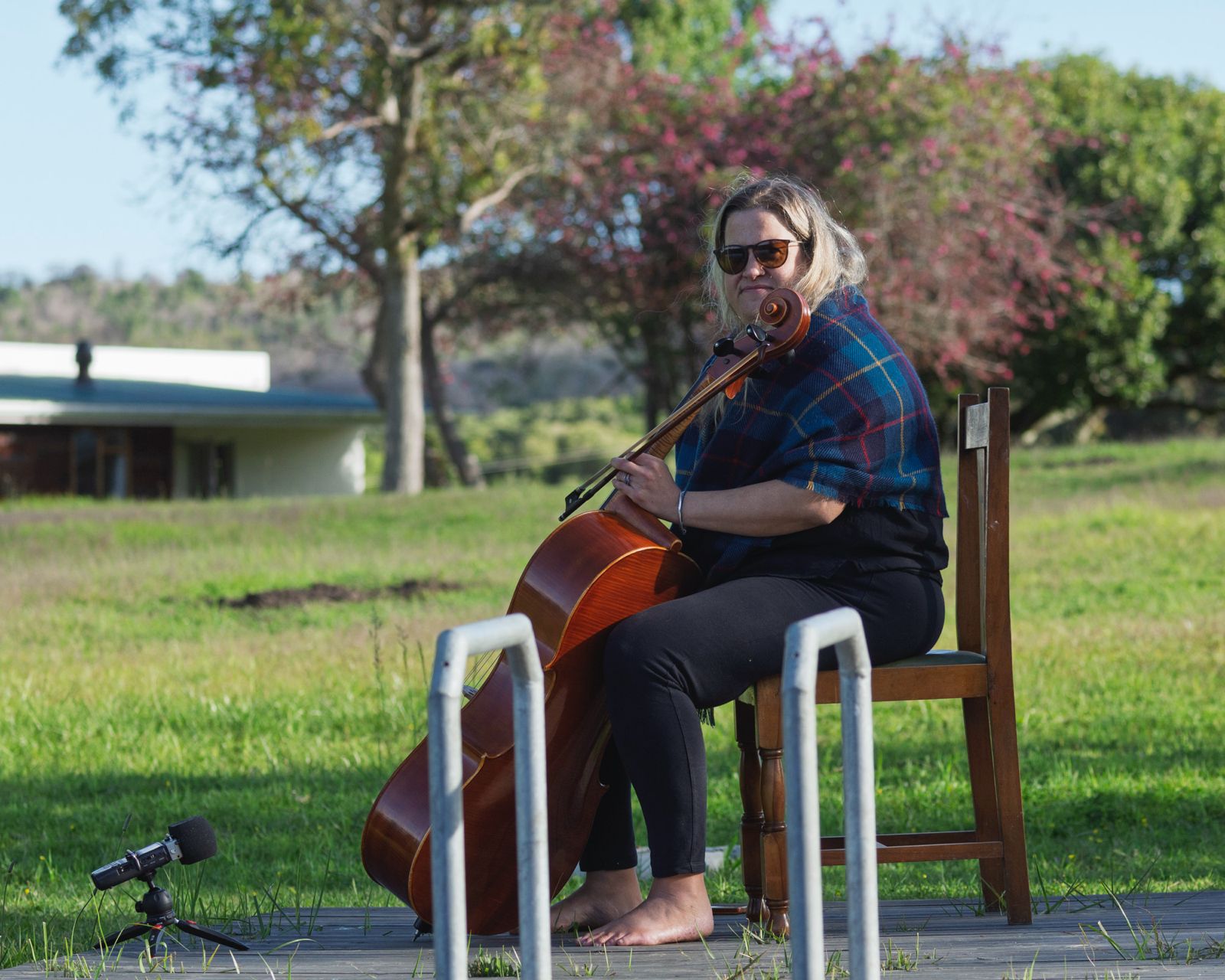
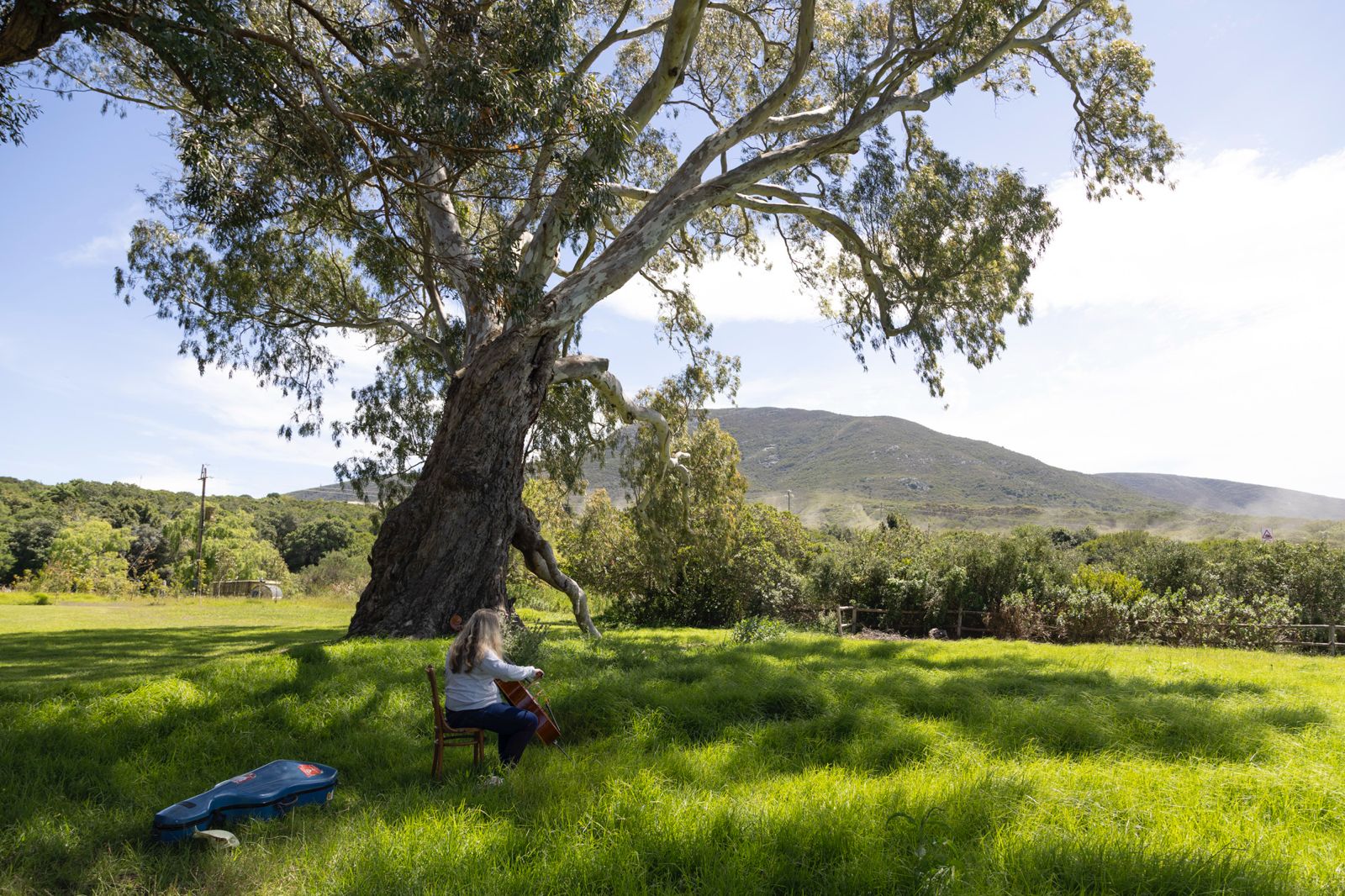
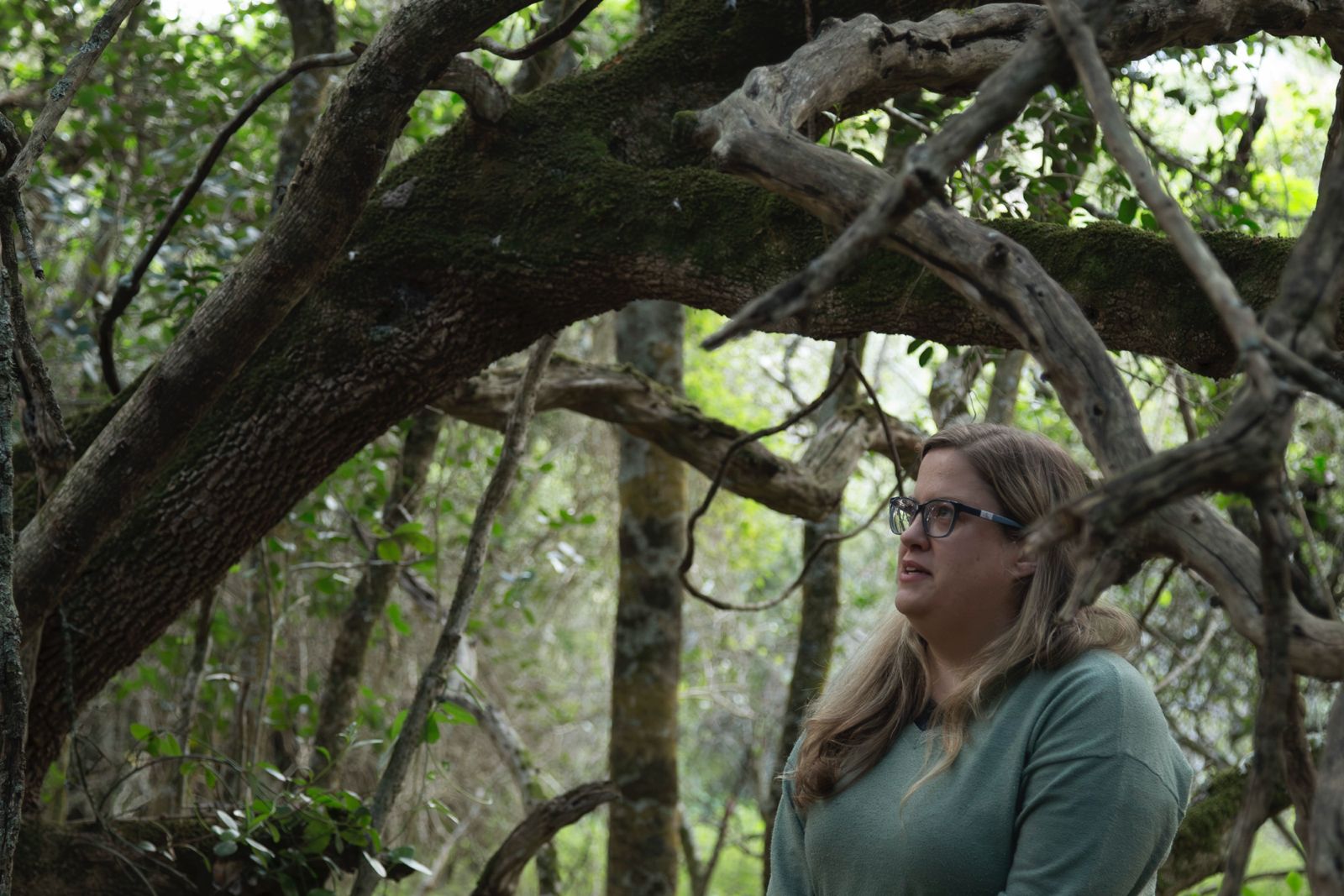
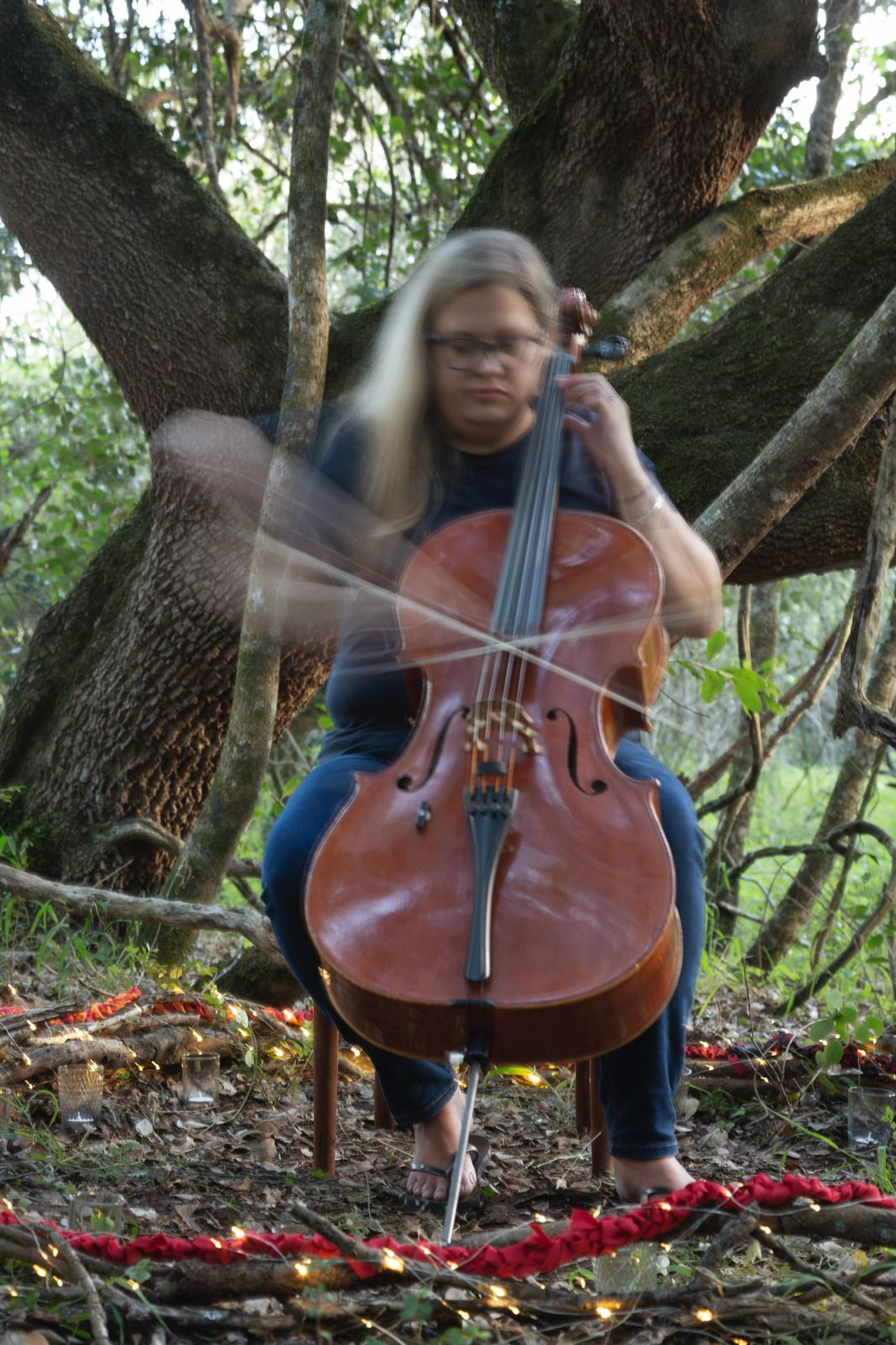
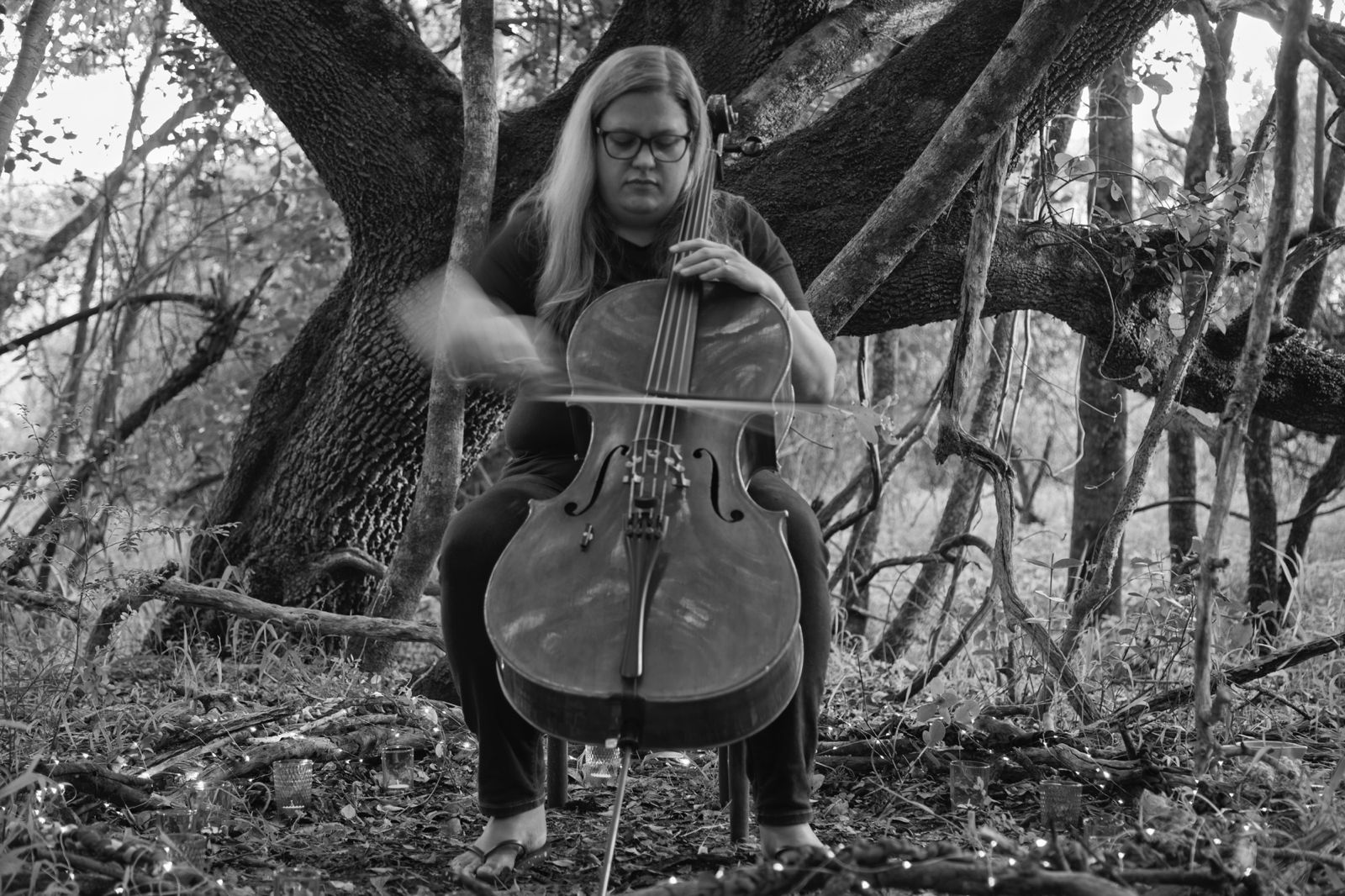
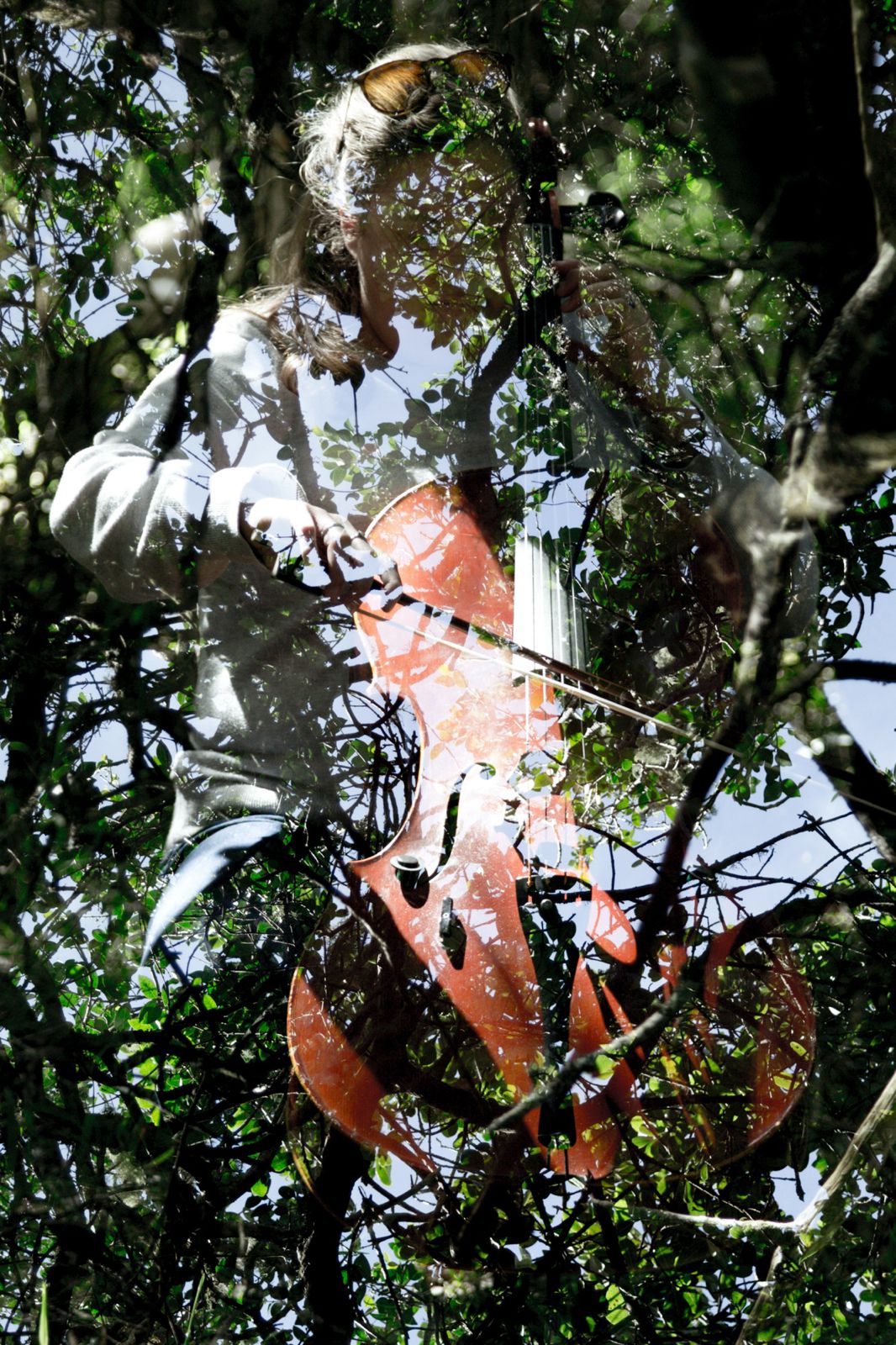
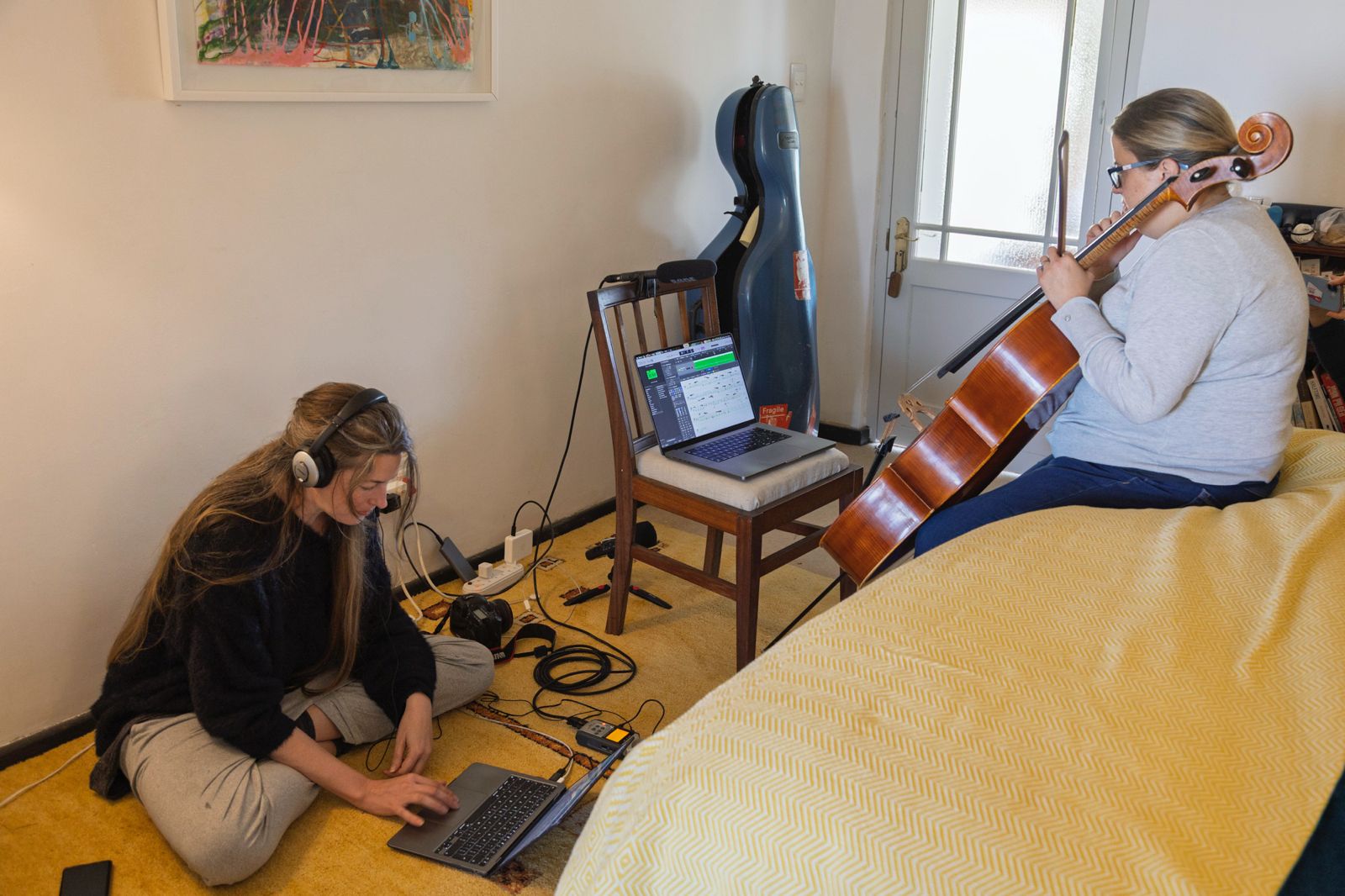
I came to Bodhi Khaya planning to work deeply with grief; to explore – through my music – questions about the unknowable nature of memory, loss and identity. Forests are experts in death. But they also hold space for continuous regeneration, renewal and life.
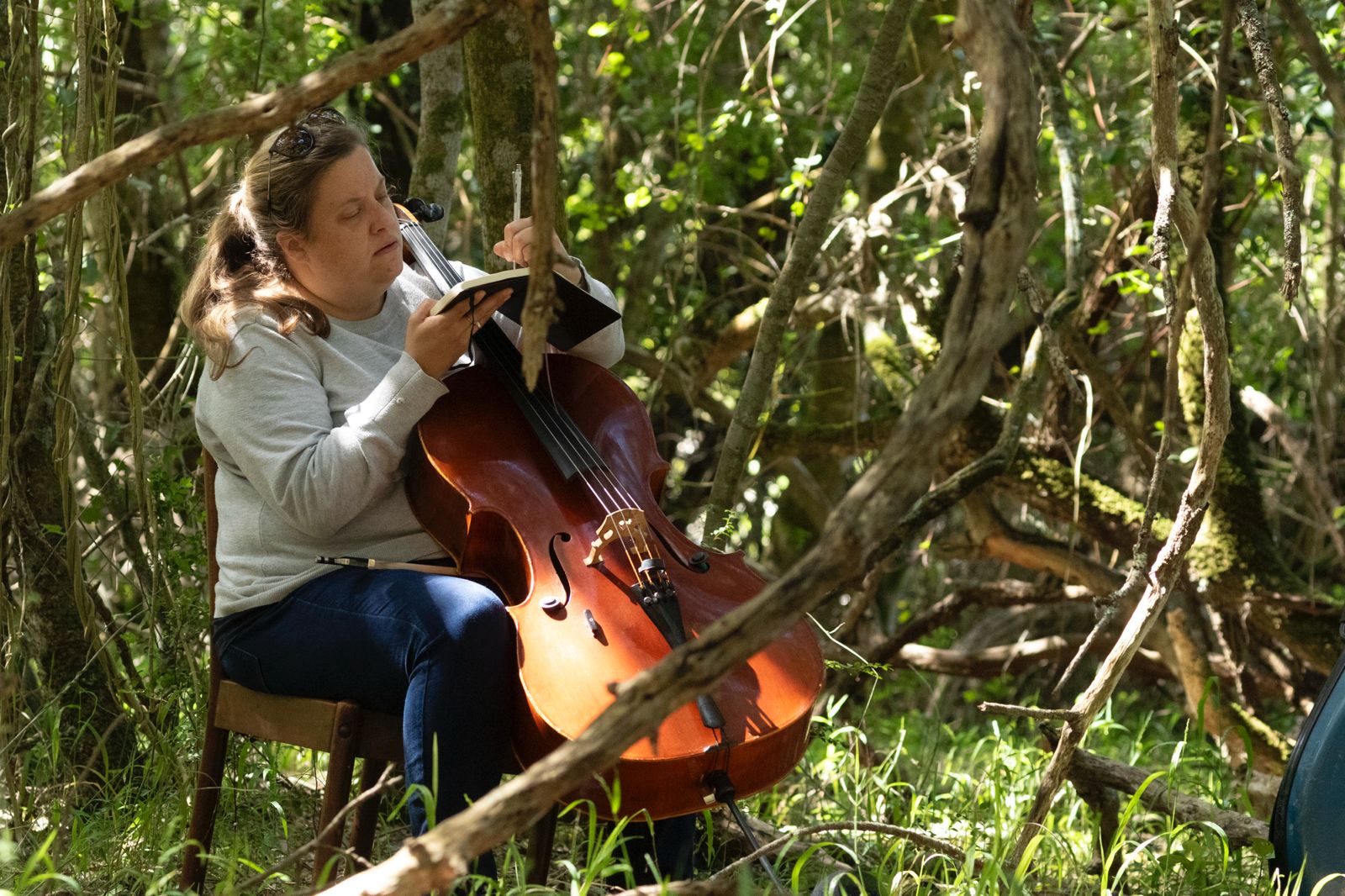
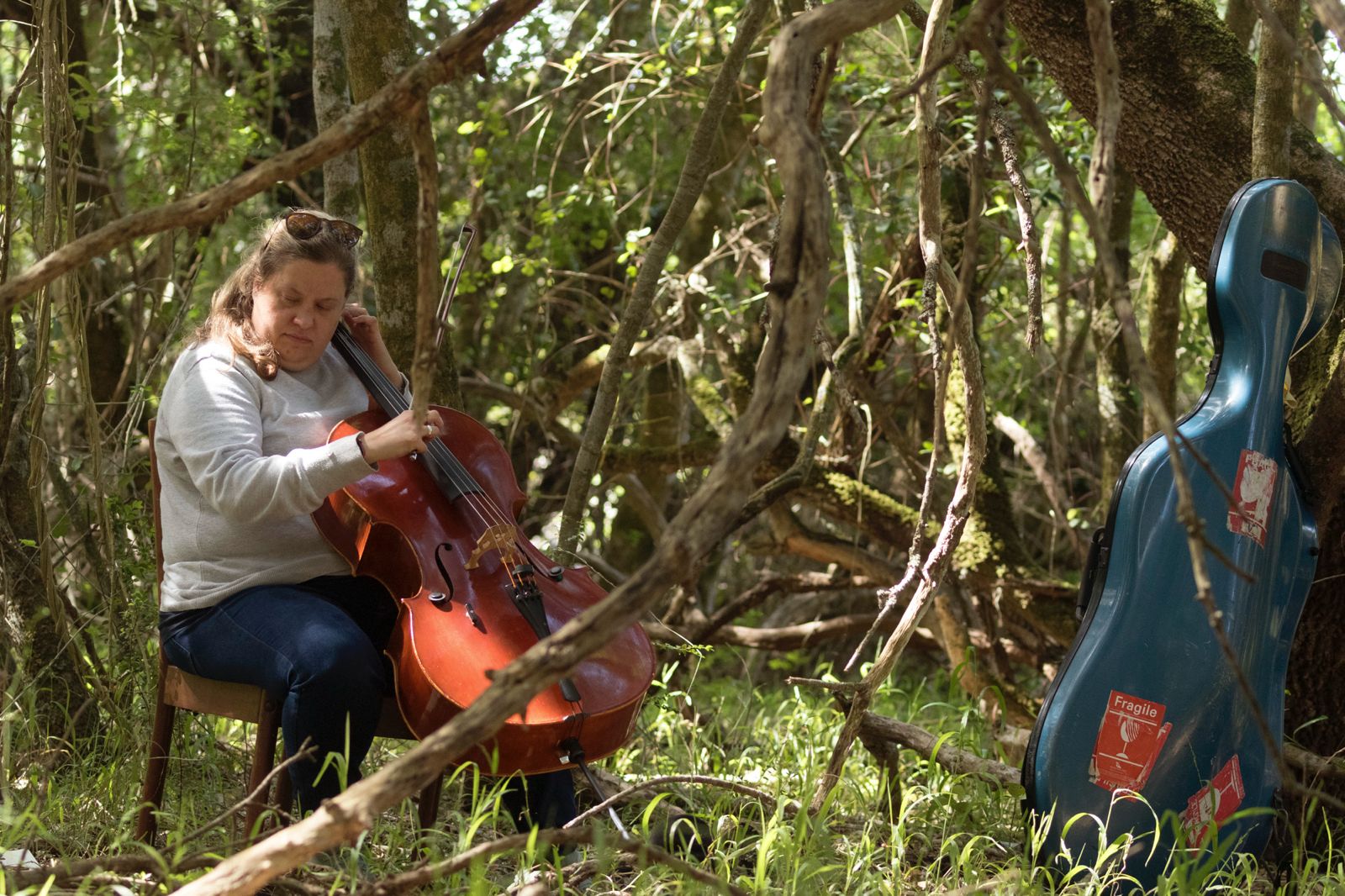
Instead of meeting my grief in the forest and expressing it through my music, I found light, beautiful wildlife and a deep sense of peace and belonging. I played my cello for and in the forest, while the forest played for me.
Far from the heavy introspection I was anticipating, my time at Bodhi Khaya involved magic-making, connection and support (with the land, my ancestors and my fellow artists). It gave me much-needed creative respite and shone light in dark but precious places that I thought I’d lost.
Zola Ndibande, SA
I love how expansive the residency feels where time seemed to expand as needed and how the facilitators holding the residency allowed the natural unfolding of inspiration to grow and find its expression. What a great space for collaboration, nature immersion and sinking deep into ones process. And all within this magical place called Bodhi Khaya.
What a gift.
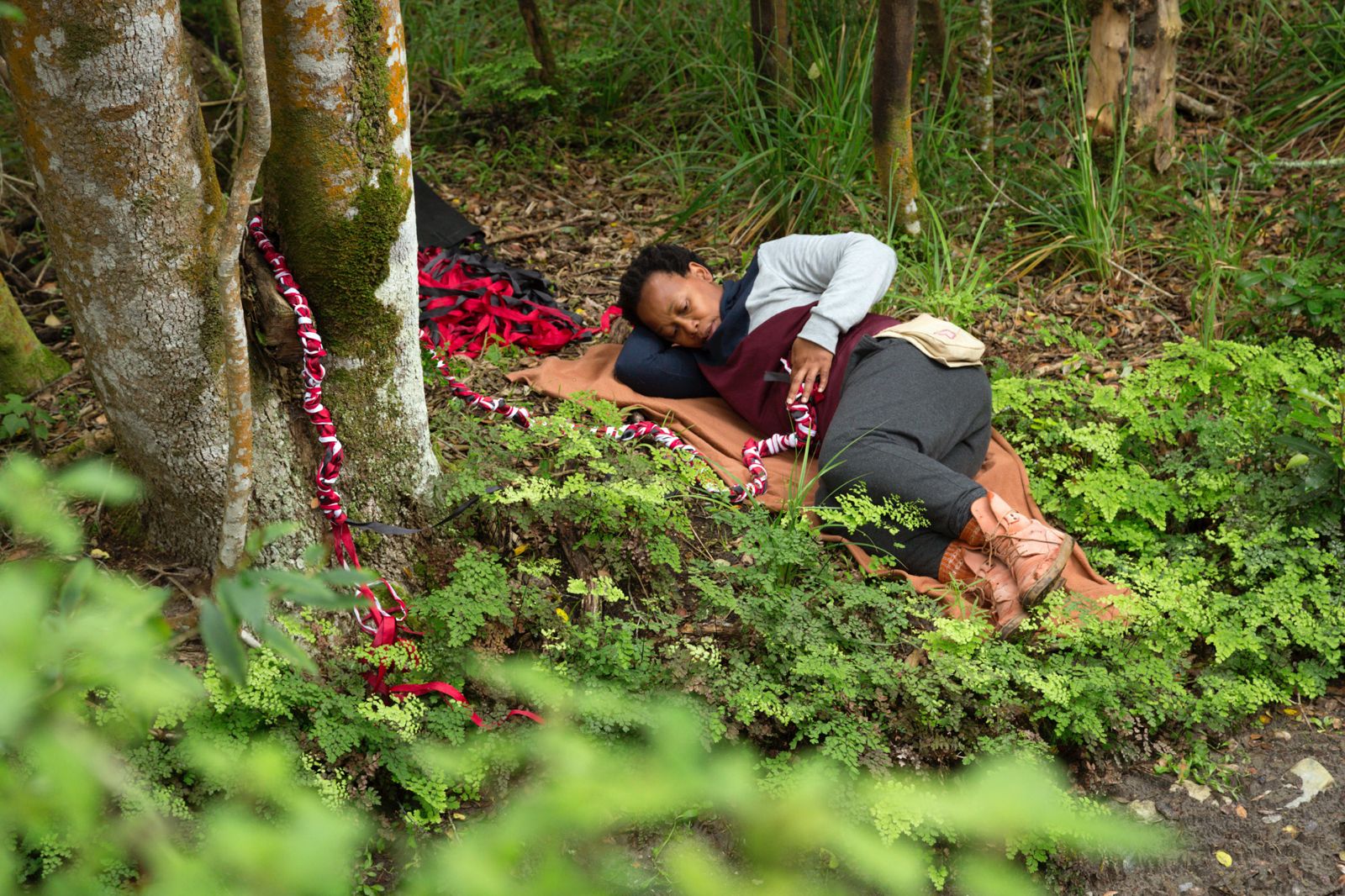
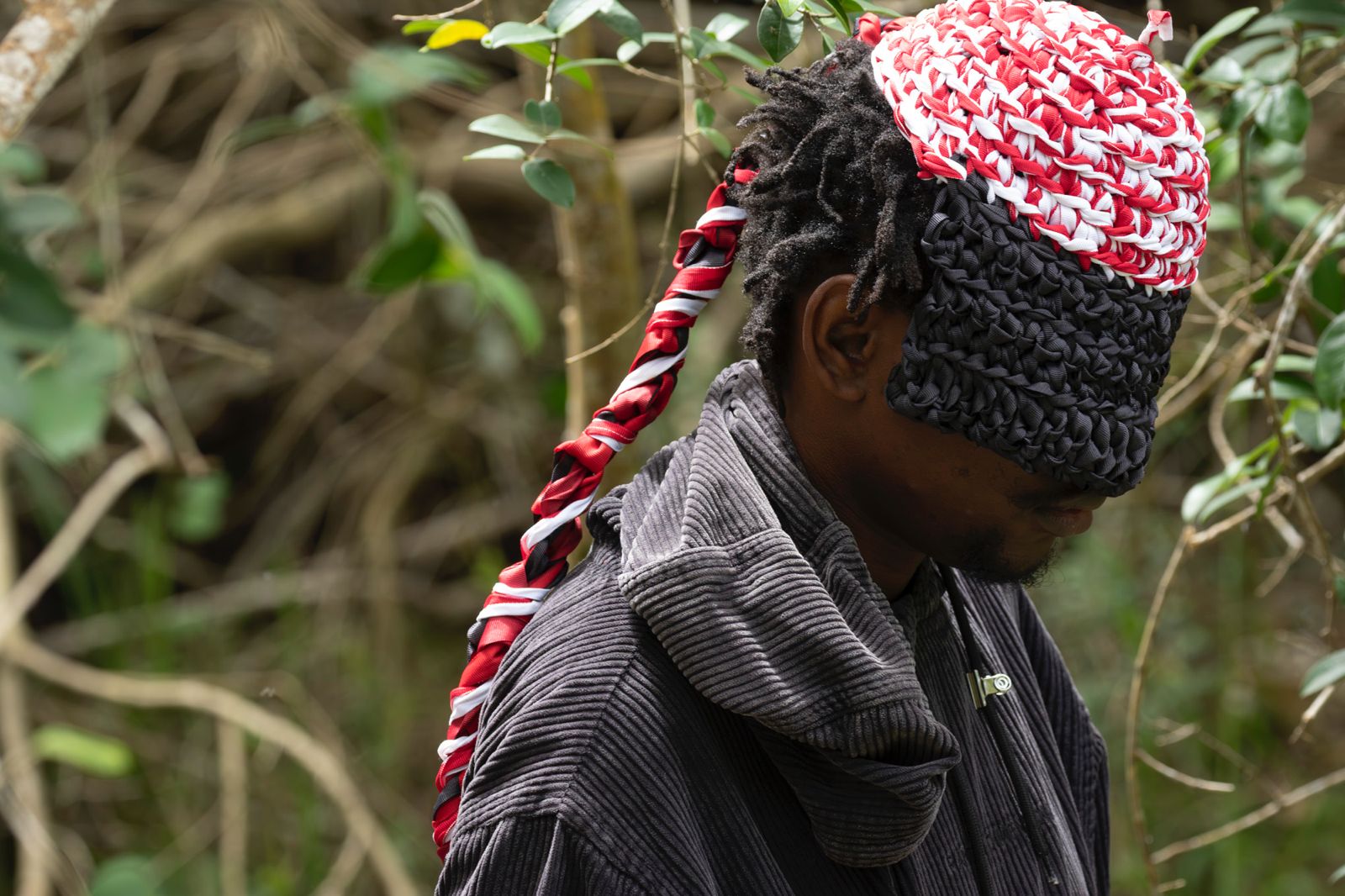
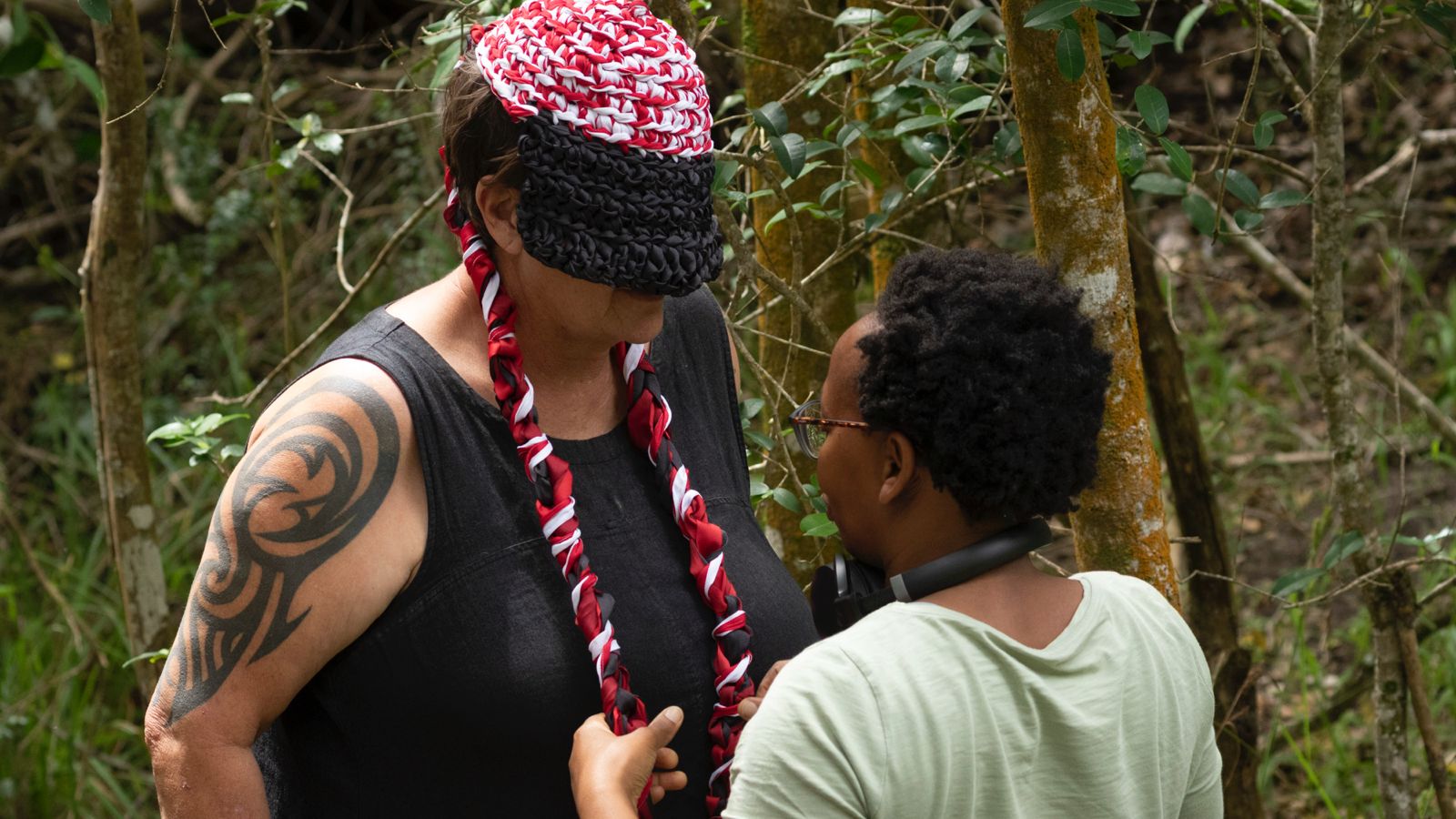
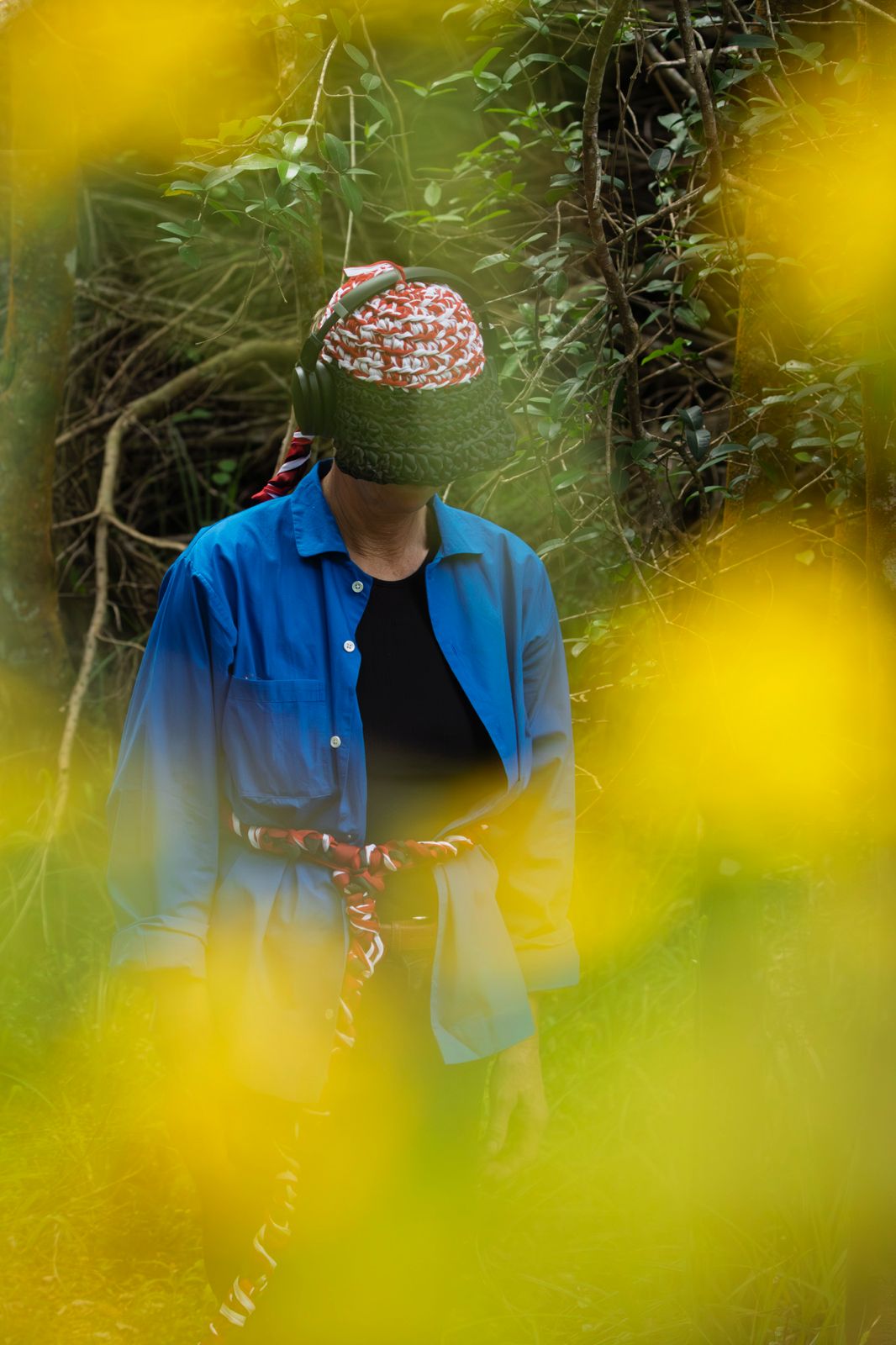
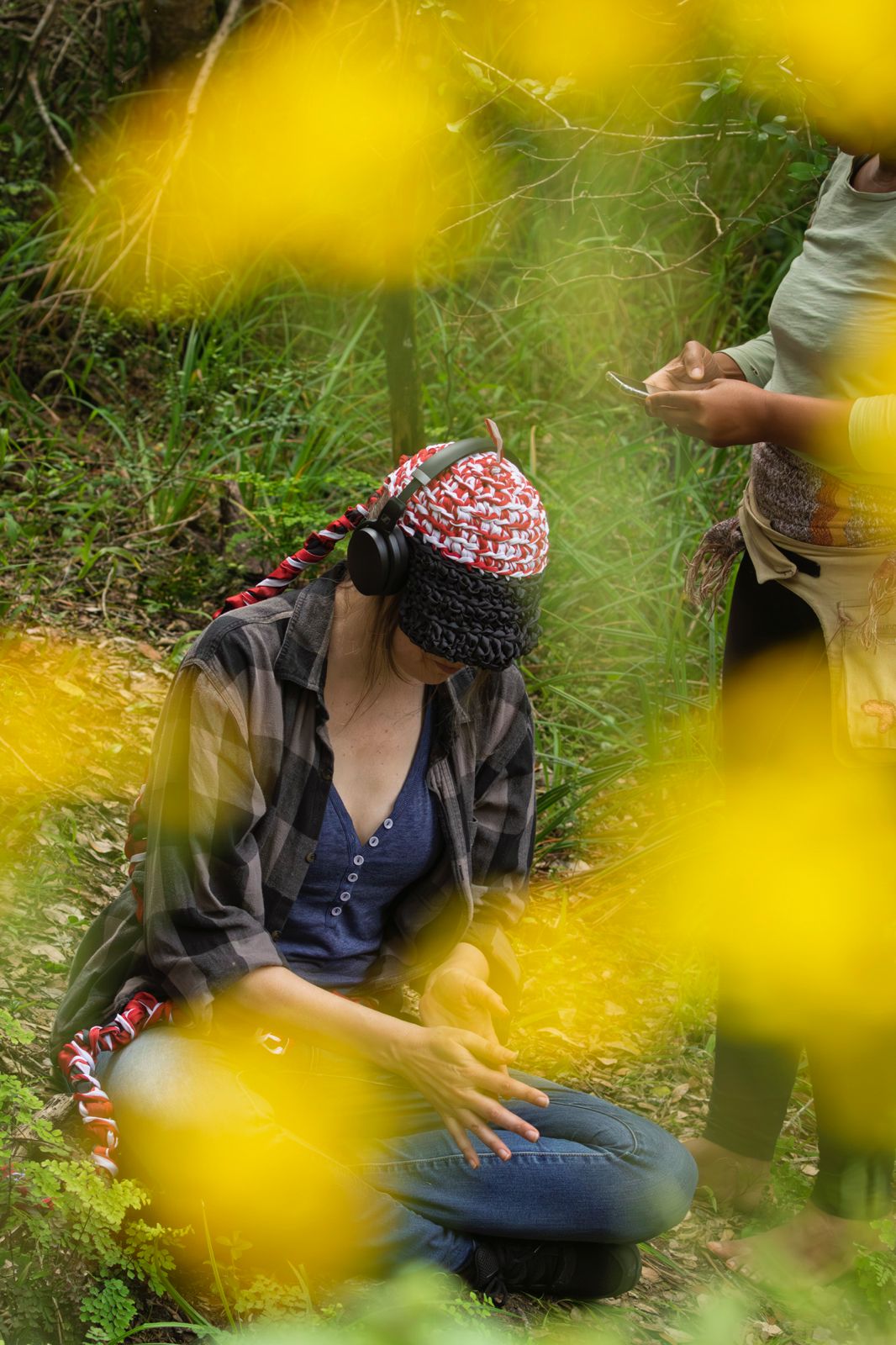
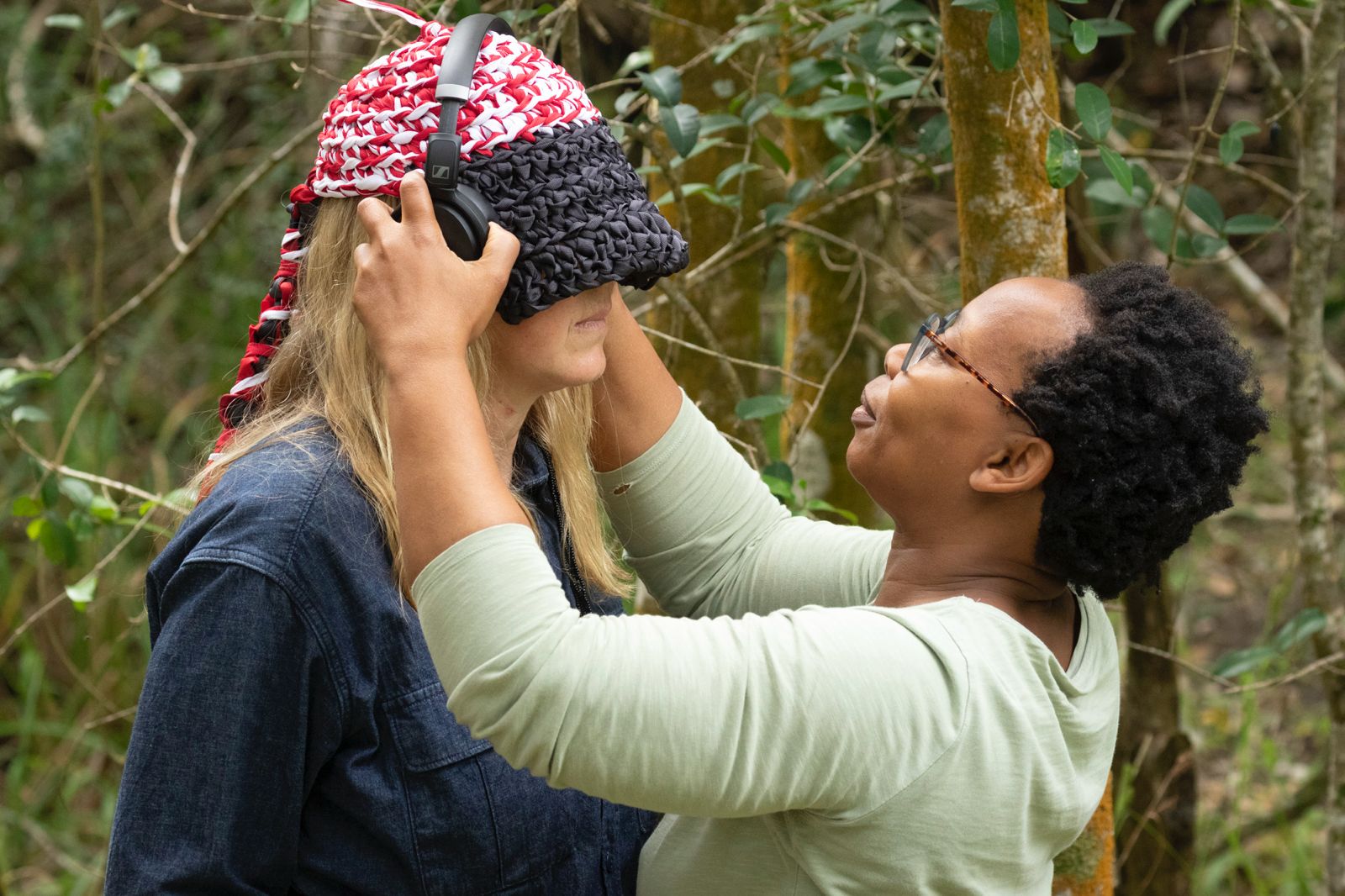
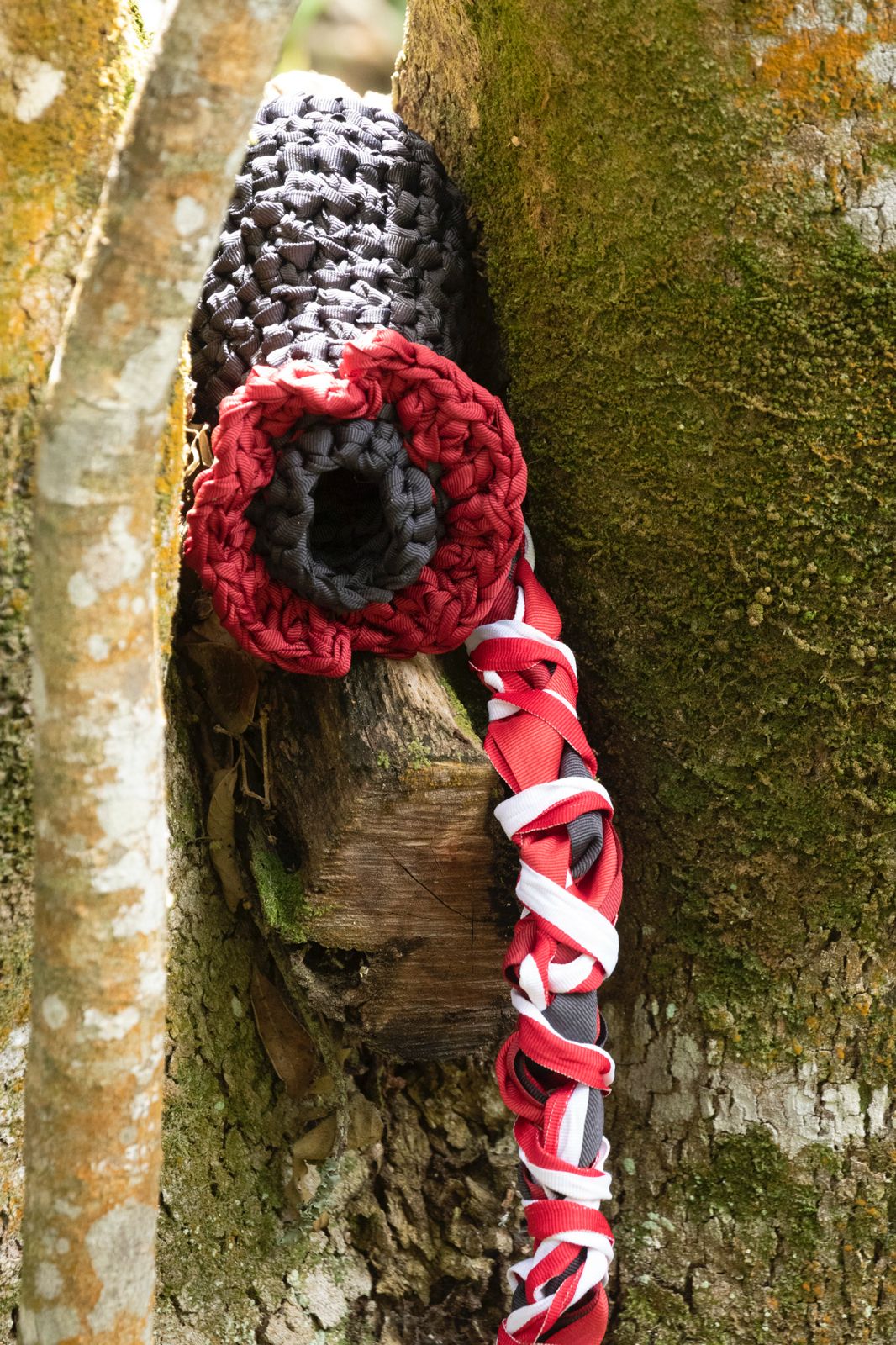
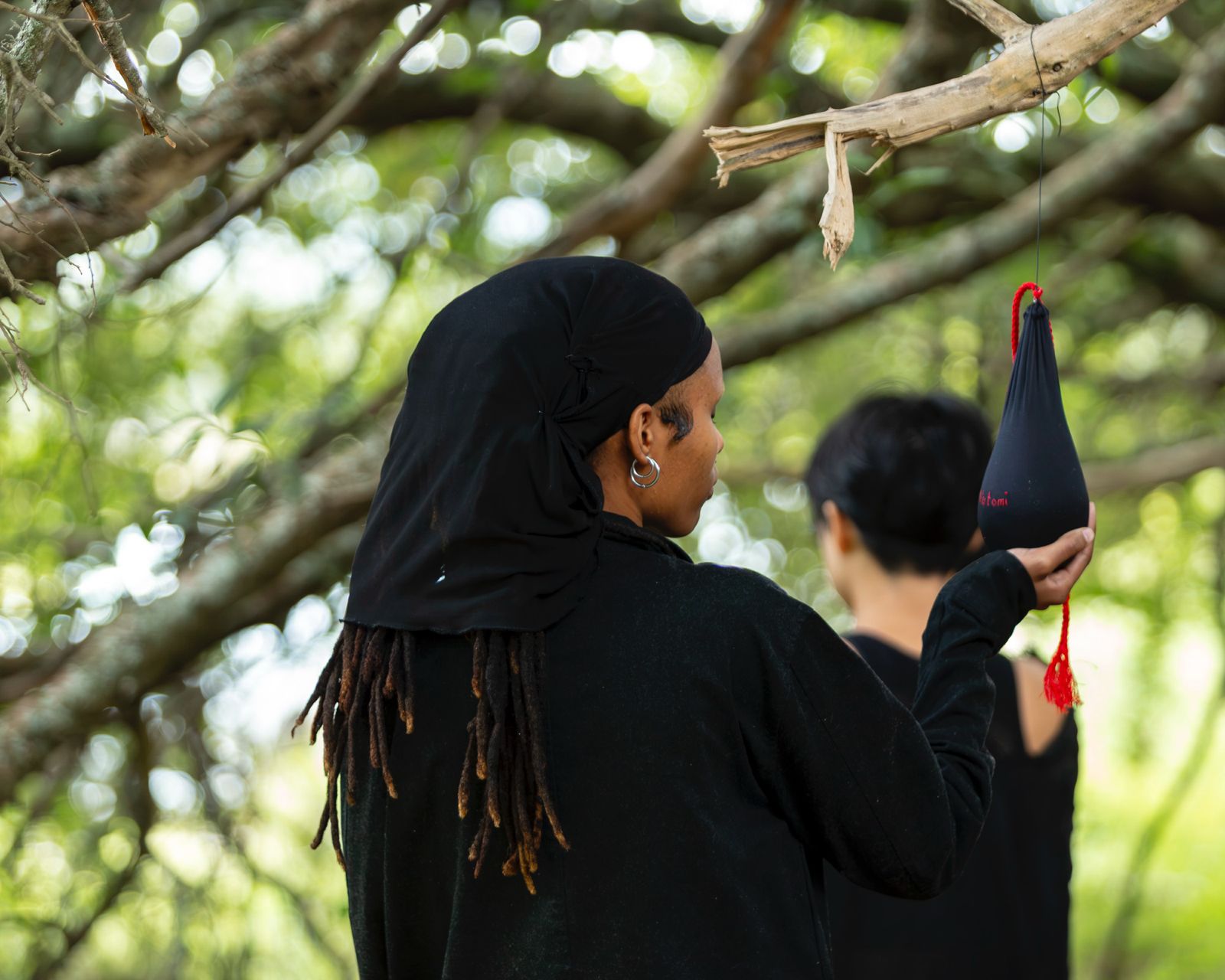
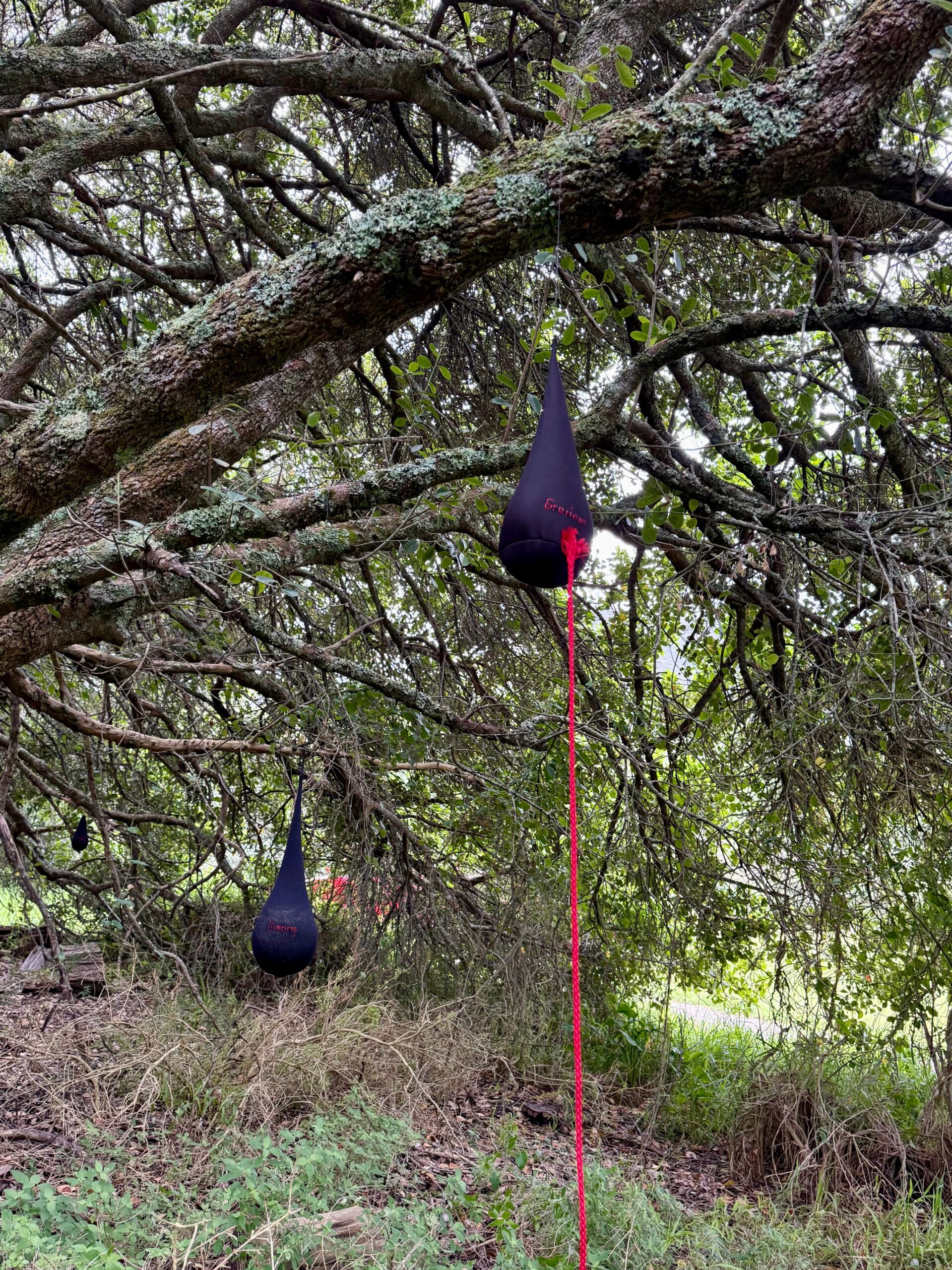
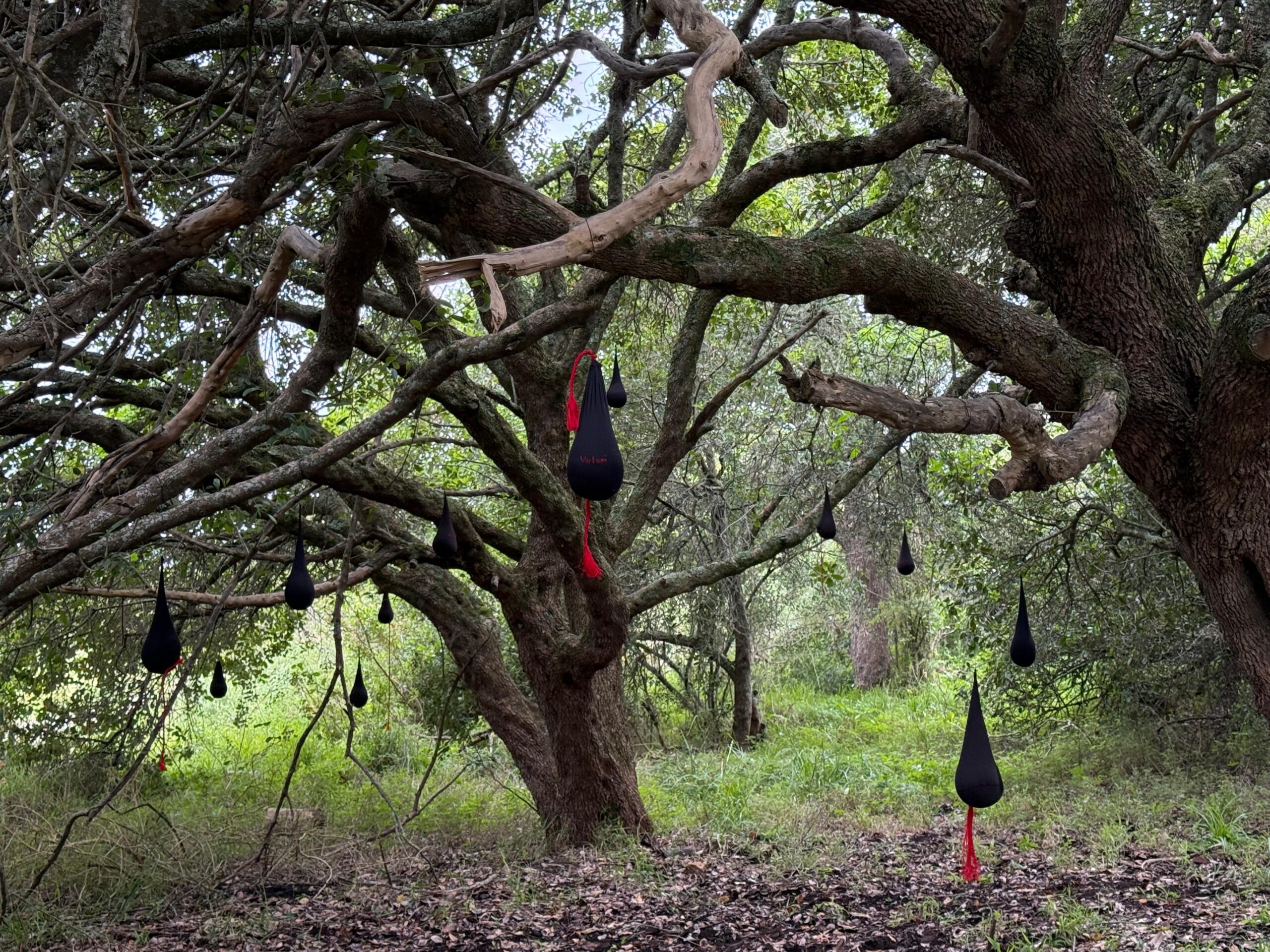
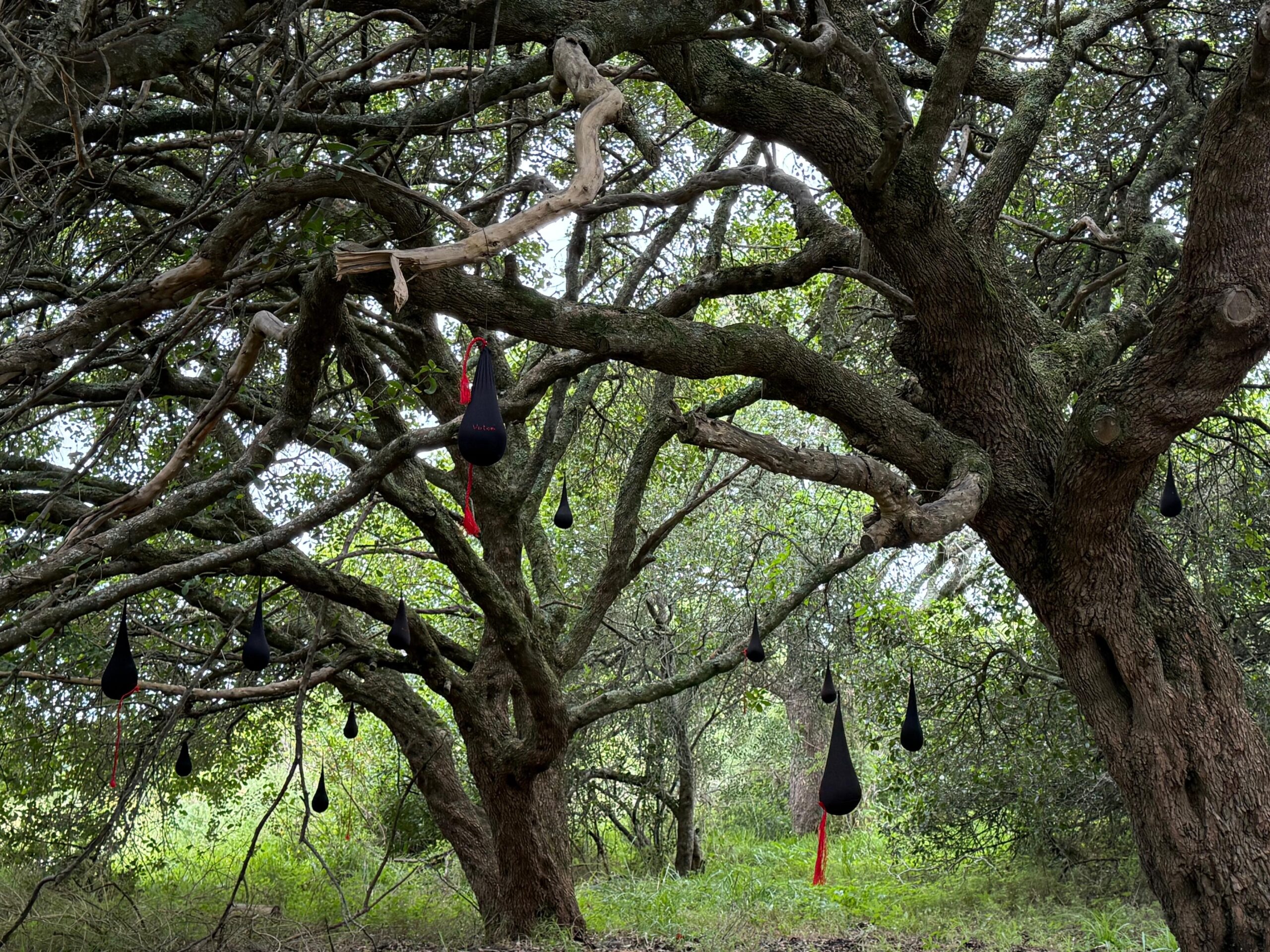
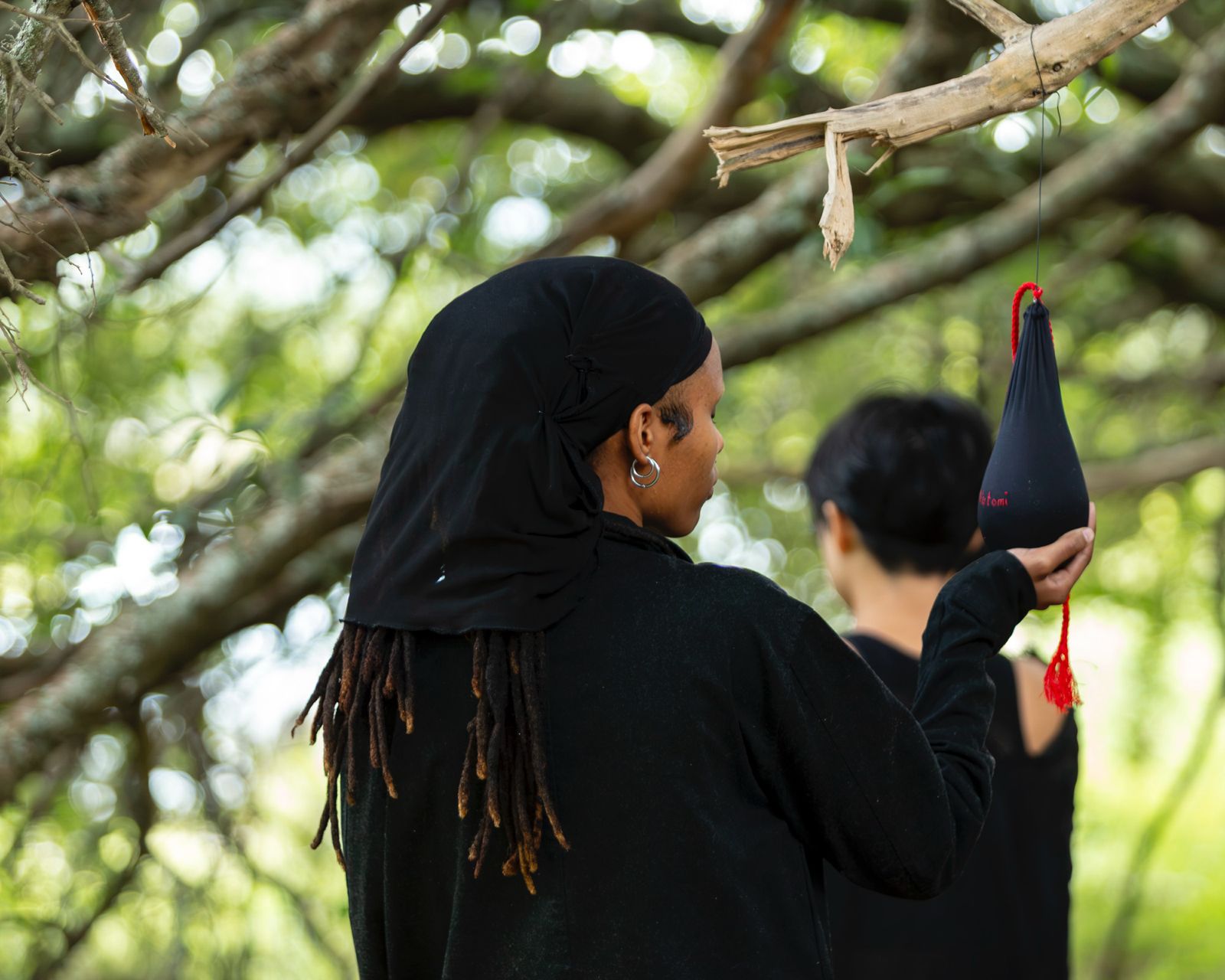
Black Tears
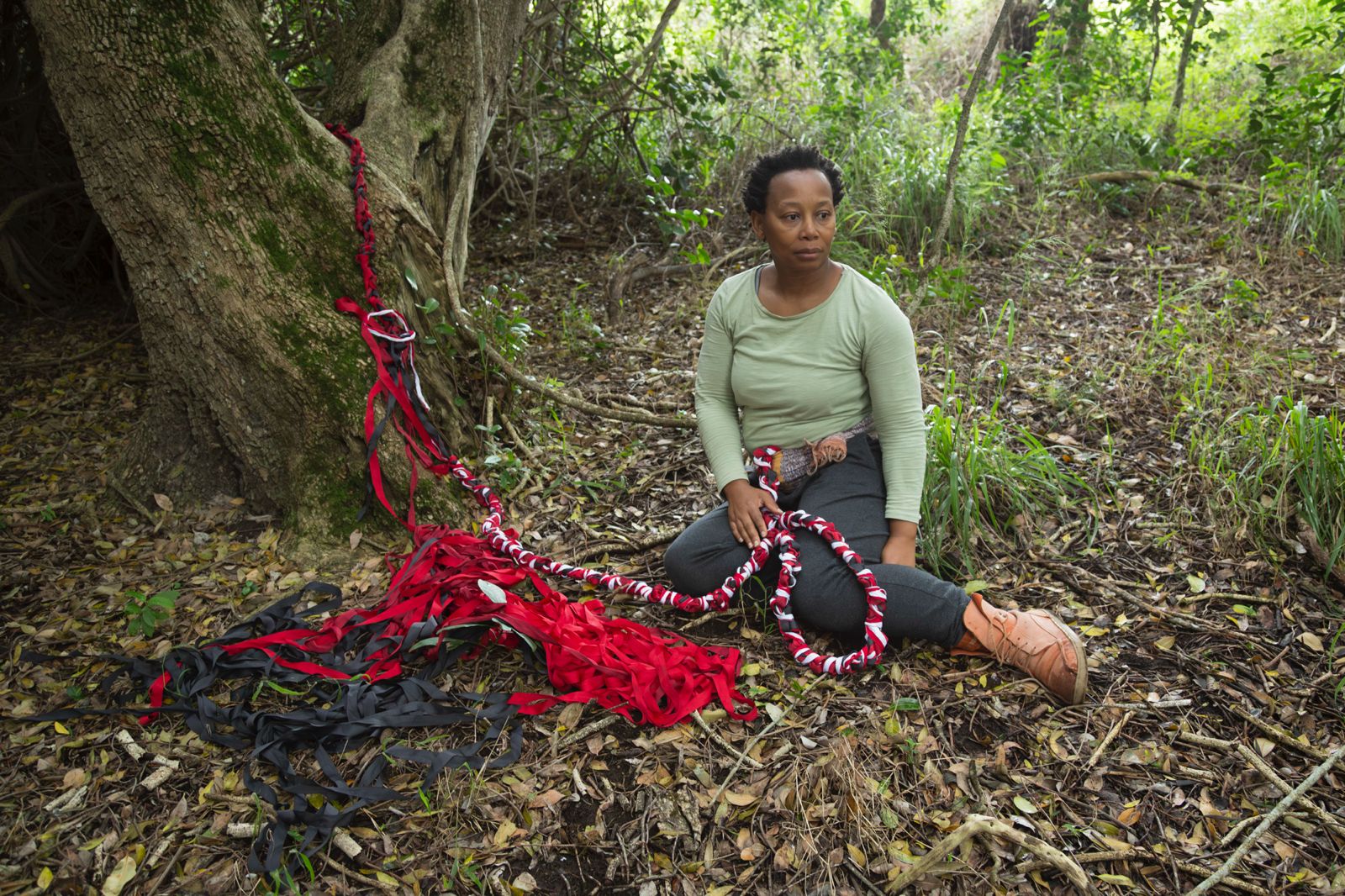
For the women murdered in Kempton Park, and for all women killed by gender-based violence.
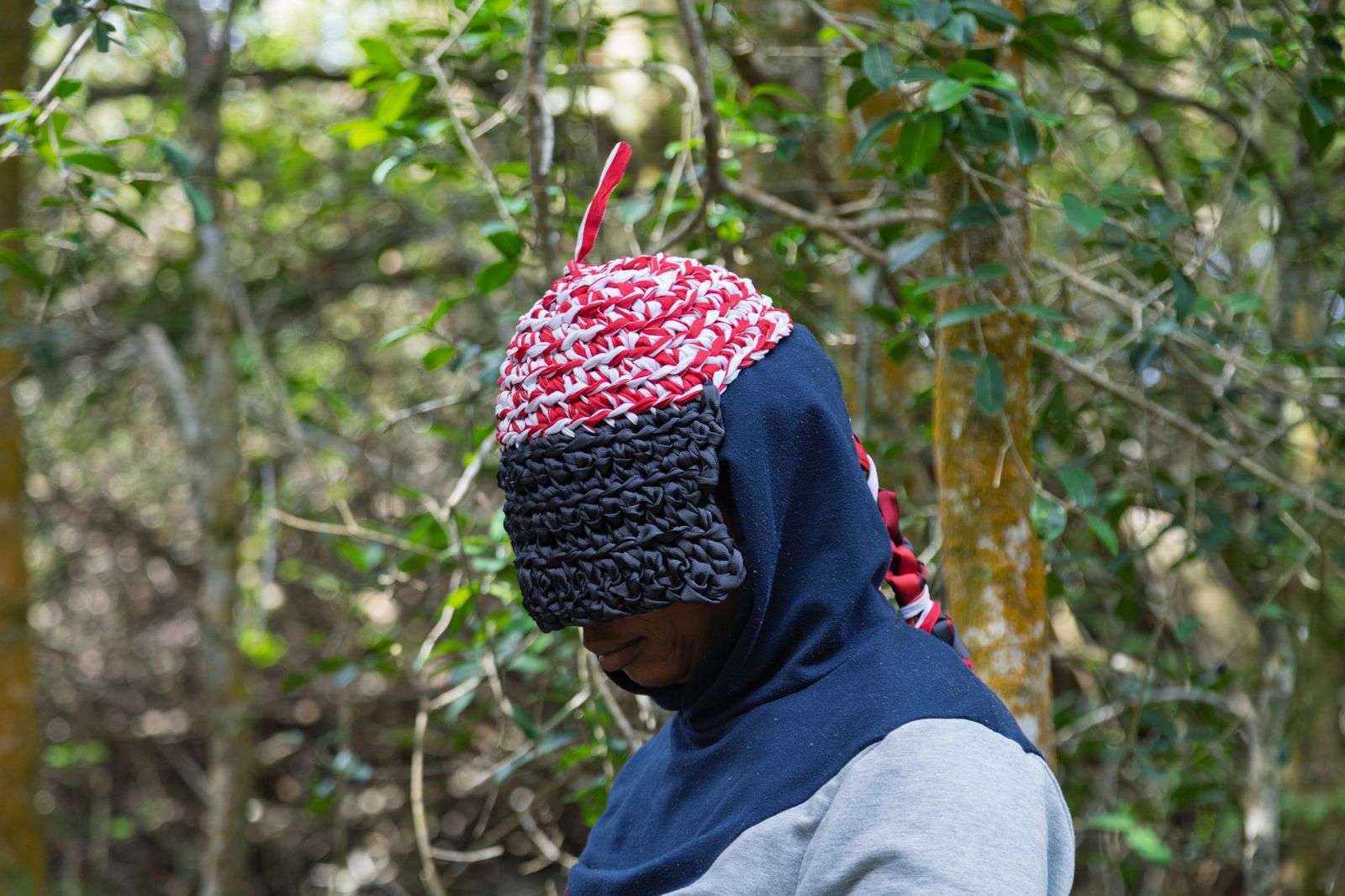
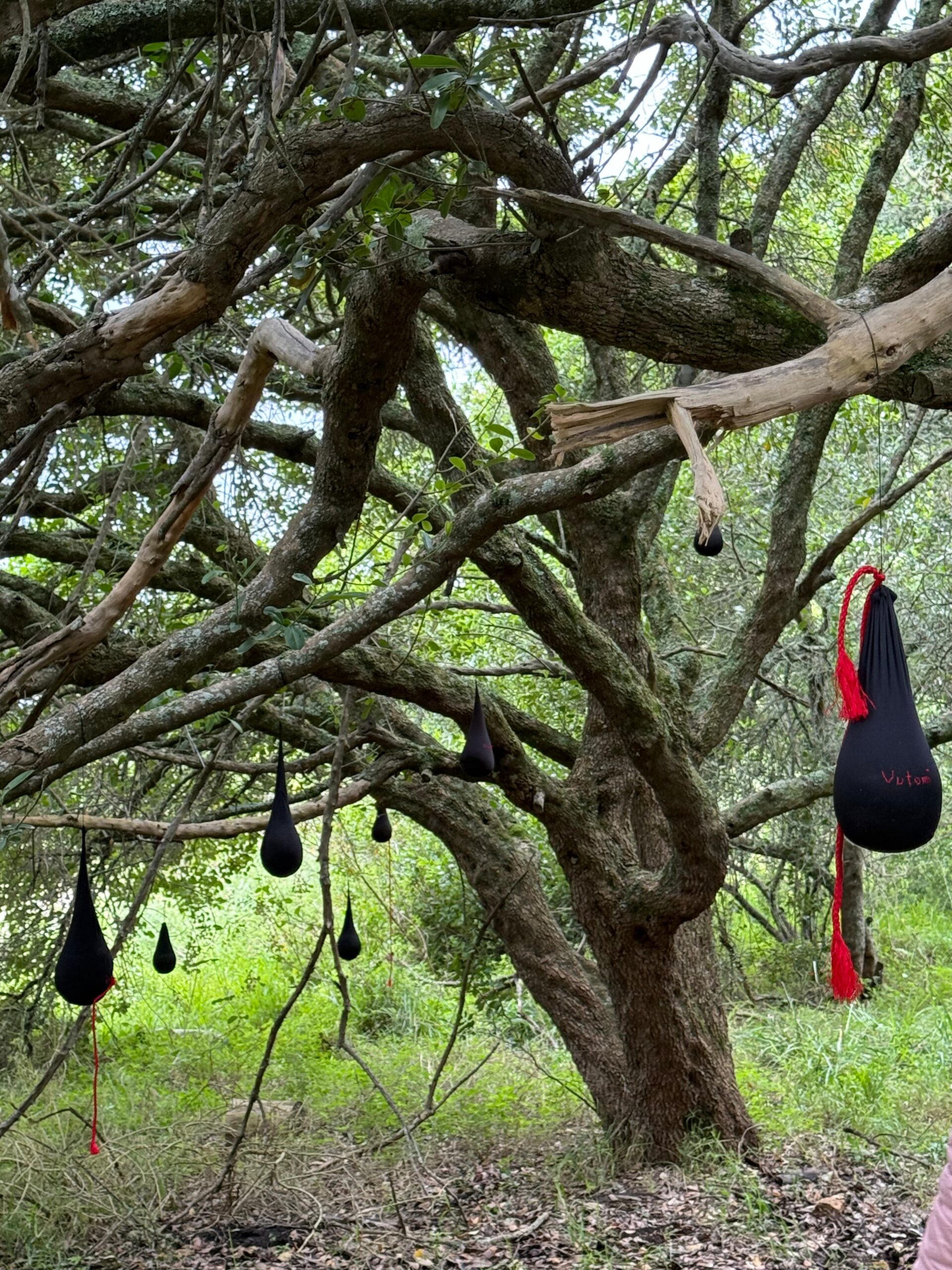
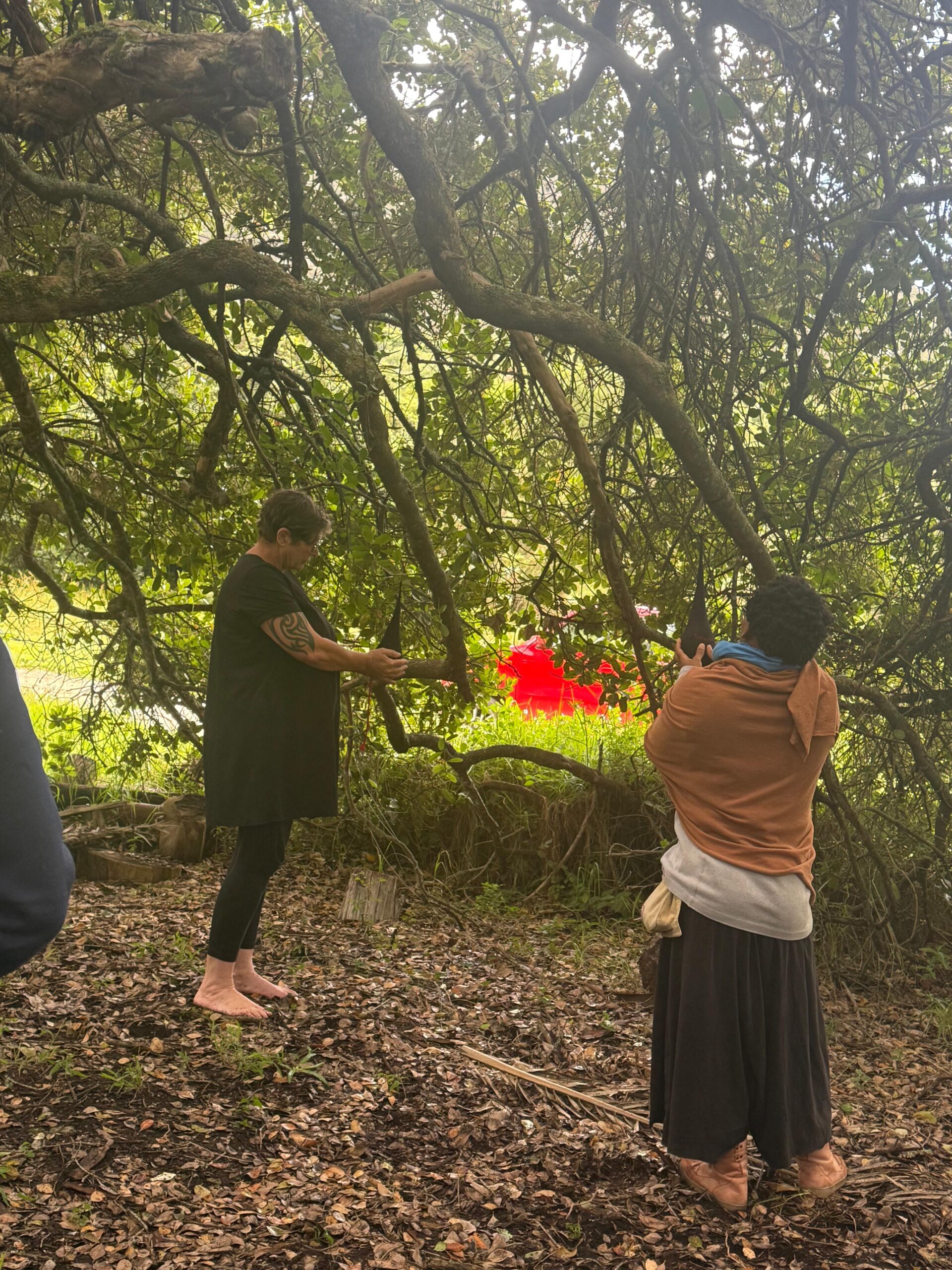
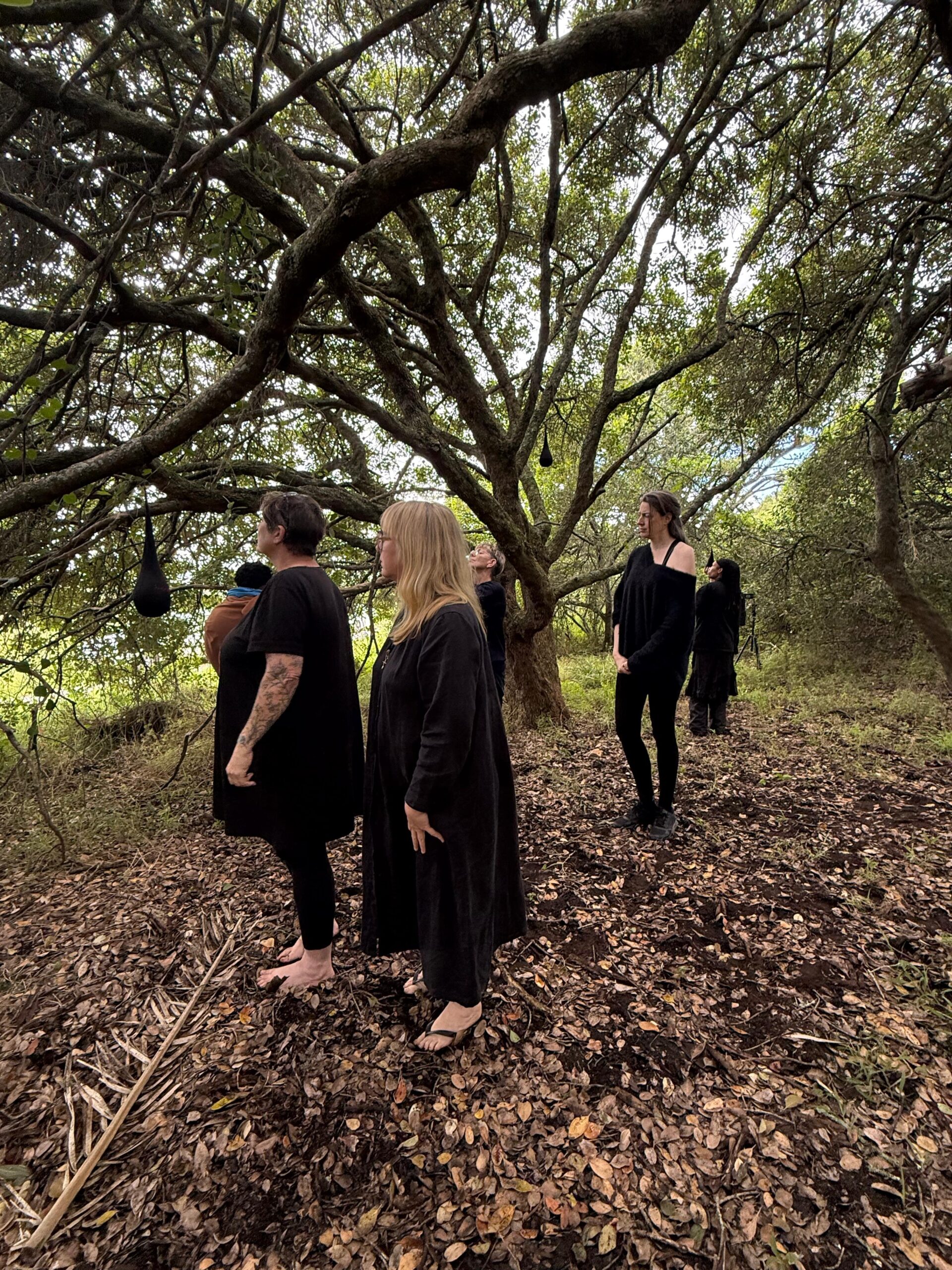
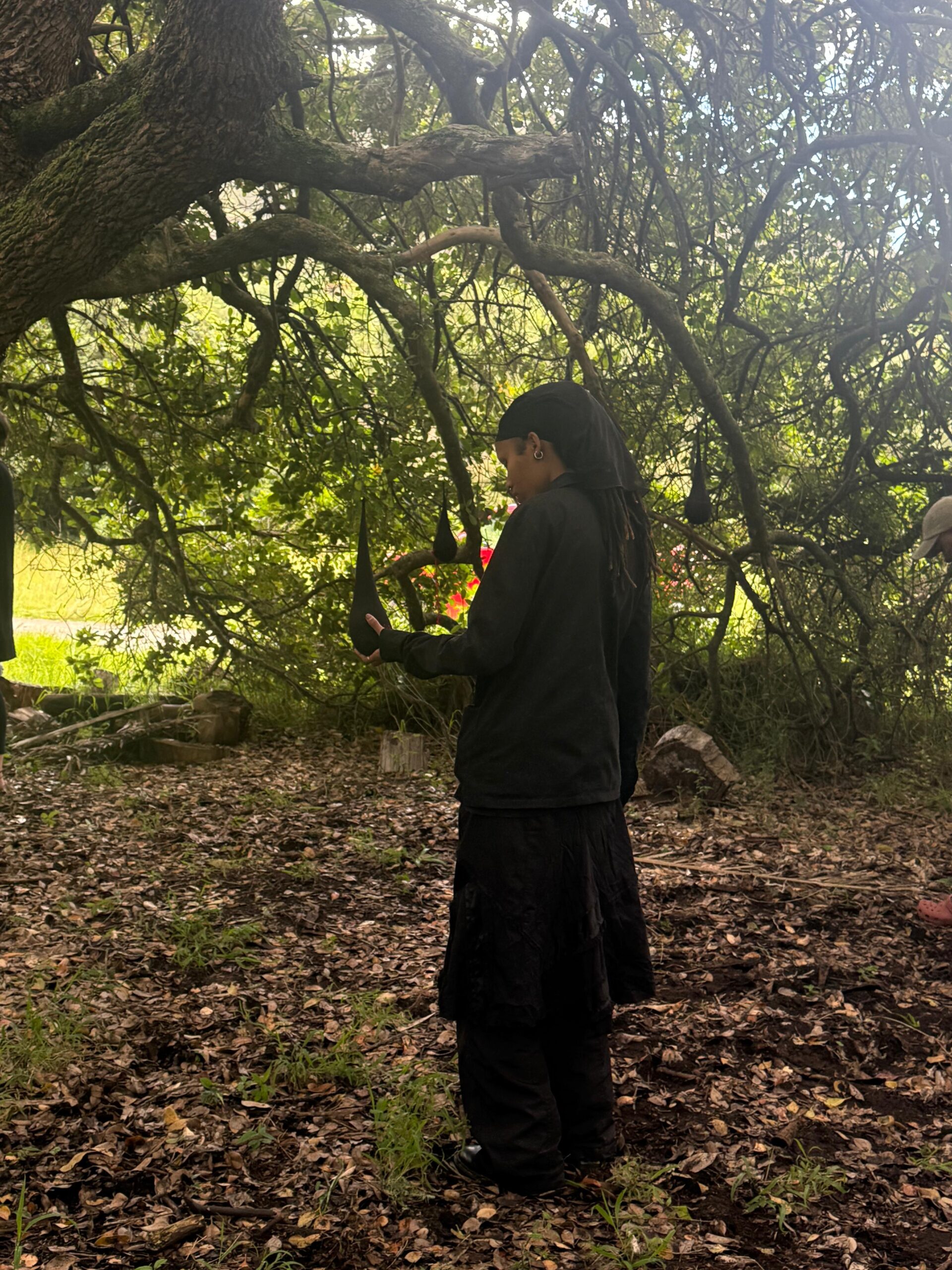
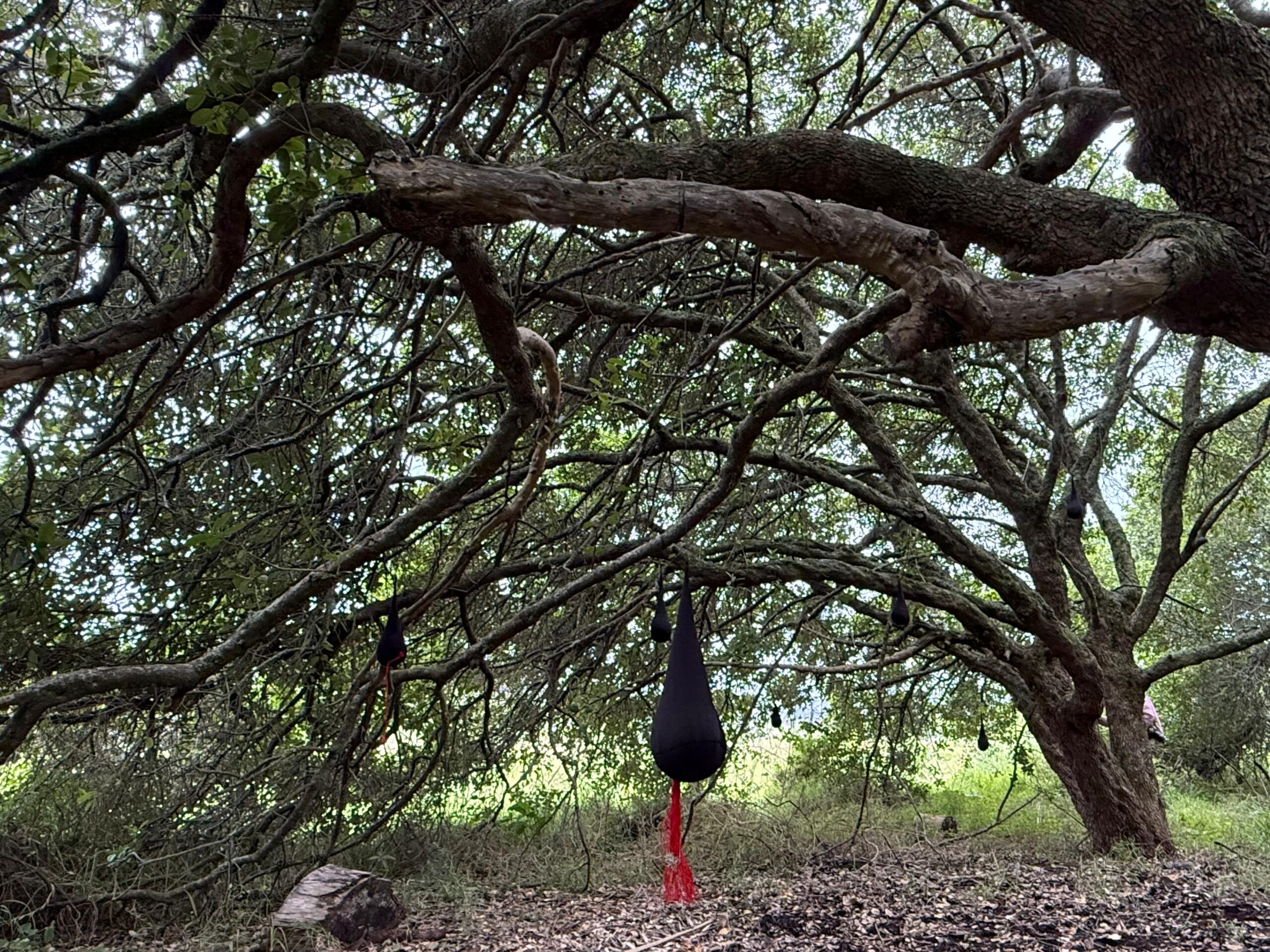
Black tears of grief, rage, and helplessness. Hanging in a tree beside a road, they mourn the women discarded in ditches and bushes.
Busisiwe Mahlangu found in Kempton Park on 15 July 2026
Itumeleng Kekana found in Kempton Park on 03 August 2026
Nomfesane Mjobo found in Kempton Park on 26 August 2026
Unknown found in the Clayville River in Olifantsfontein on 7 Sep 2026
Gracious Nkomo found in Kempton Park on 10 Sep 2026
Elizabeth Moselakgomo found in Kempton Park on 12 Sep 2026
Name withheld – found in Olifantsfontein on 14 Sep 2026
Dineo Motapane found in Kwa-Thema on 15 Sep 2026
Jabulile Ntimba found in Dawn Park on 17 Sep 2026
Boitumelo Nhlanzi found 28 Sep 2026
Ntombifuthi Nxumalo found 26 Sep 2026
Unknown found 27 Sep 2026
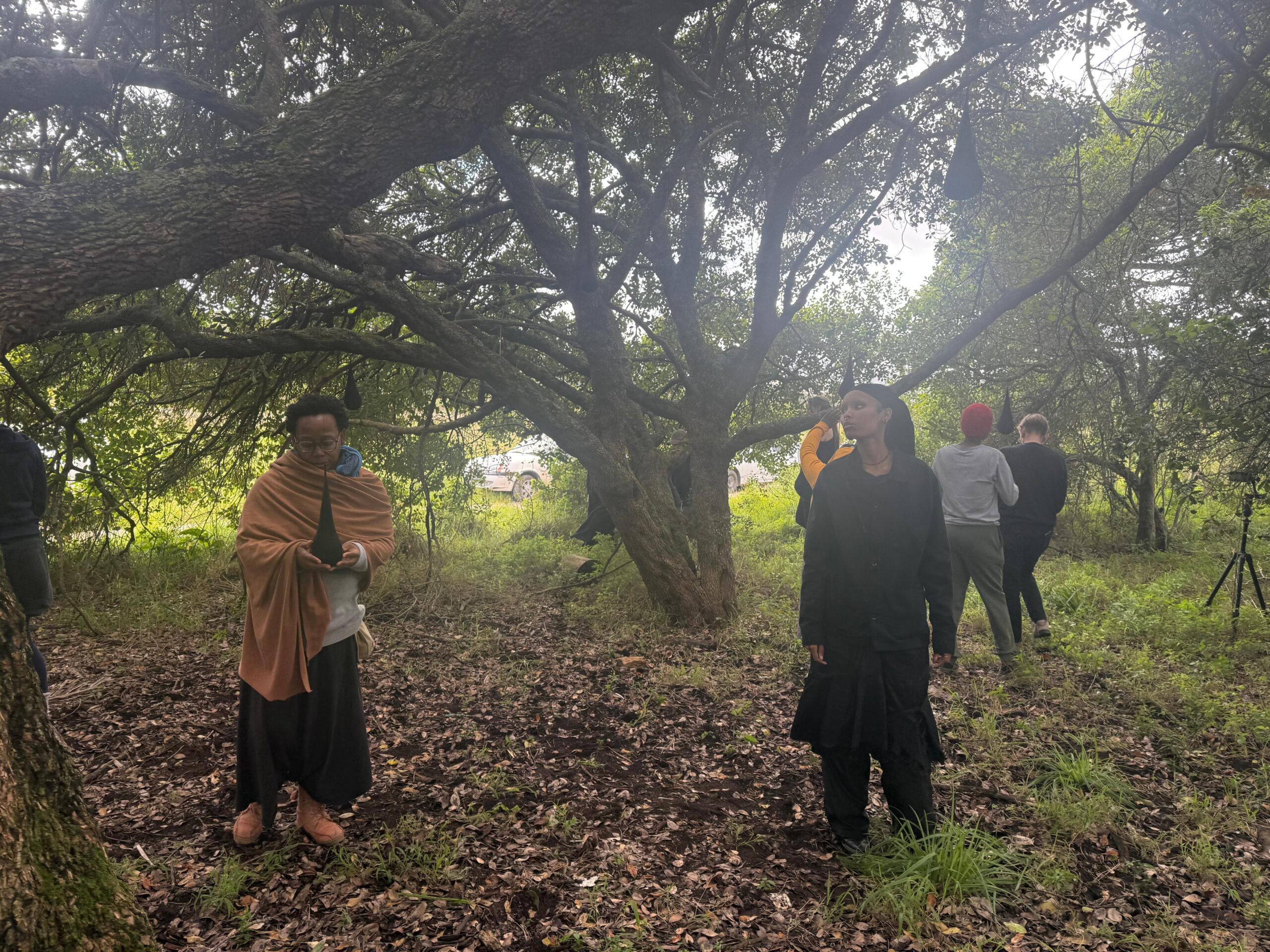
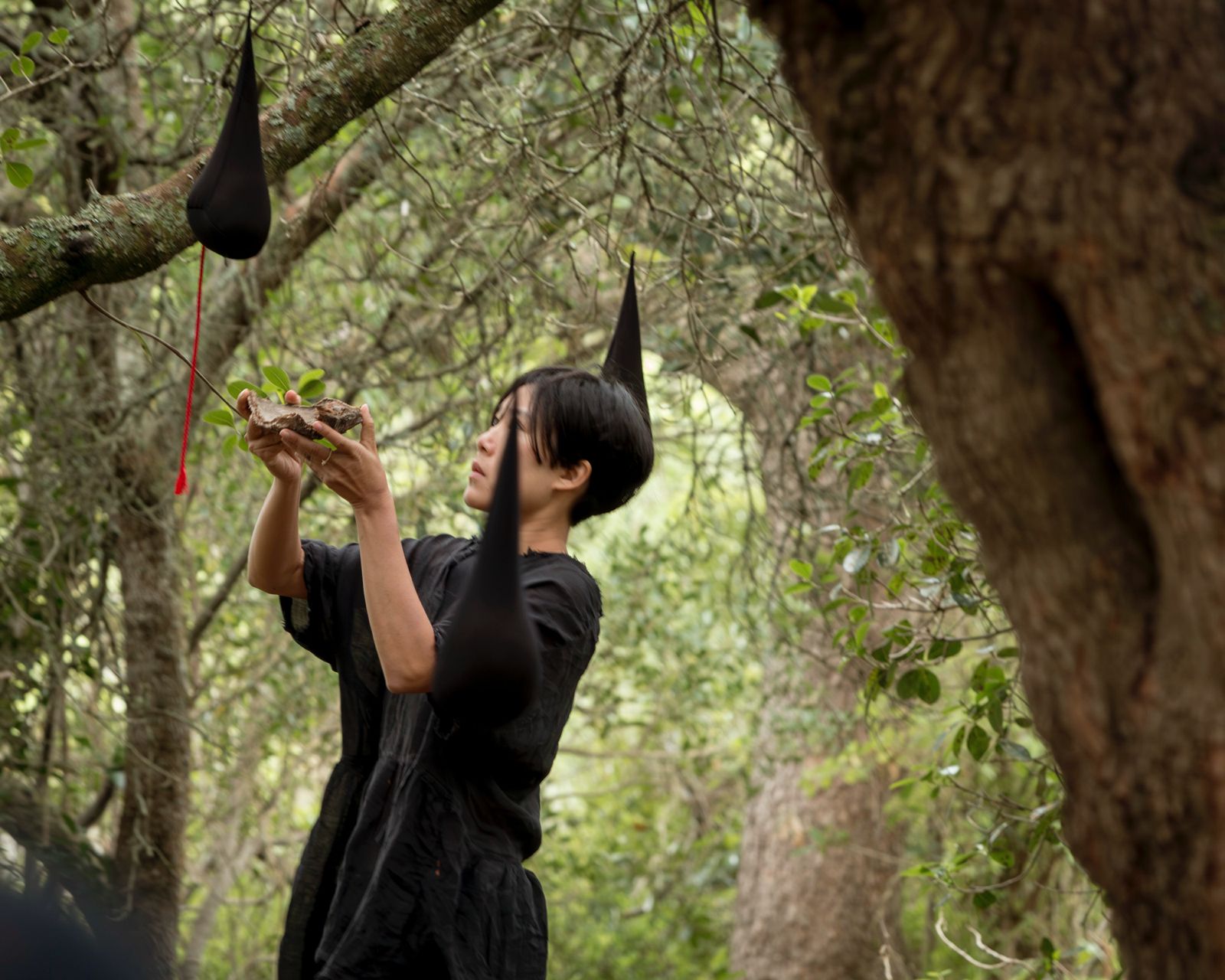
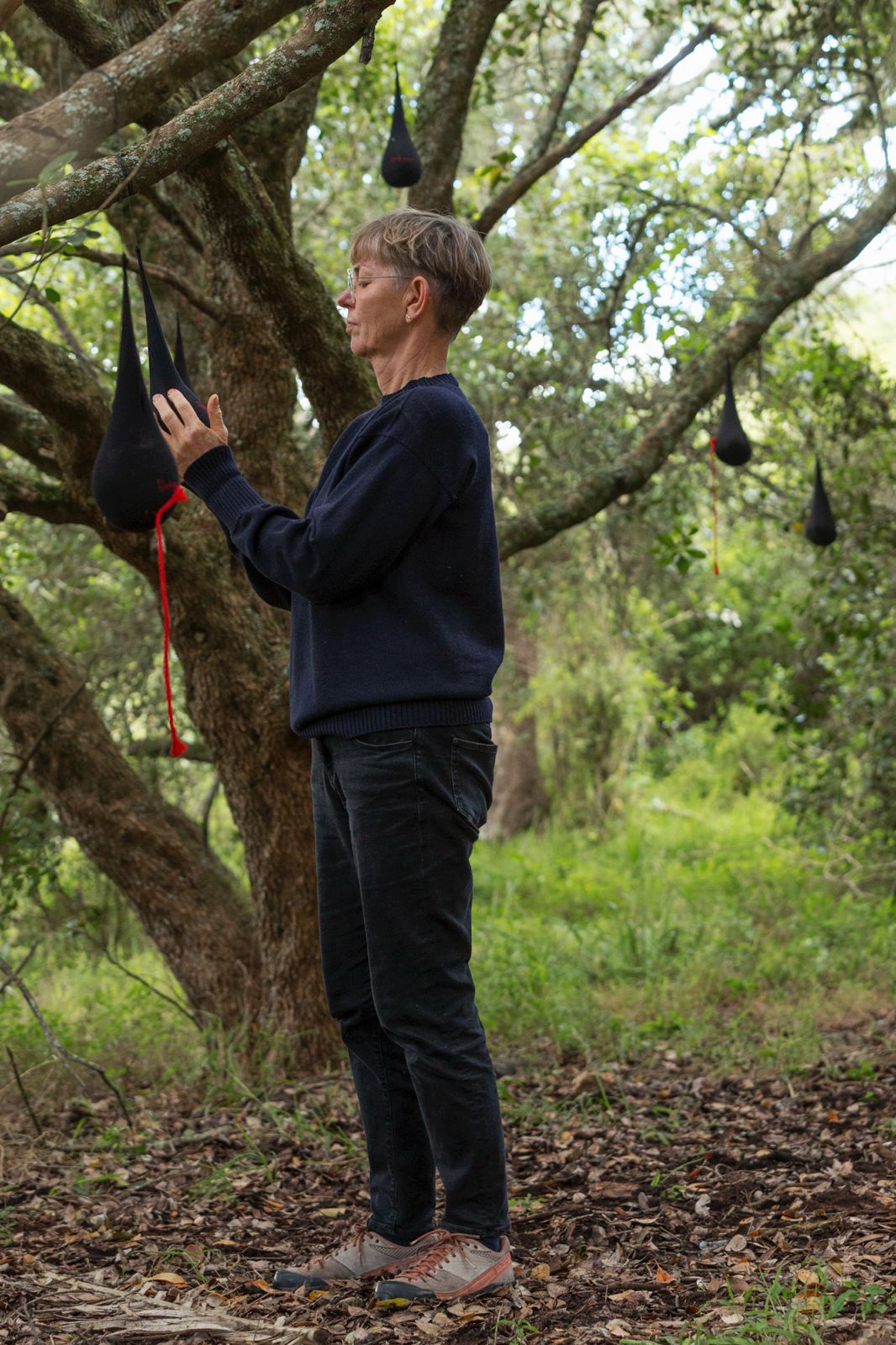
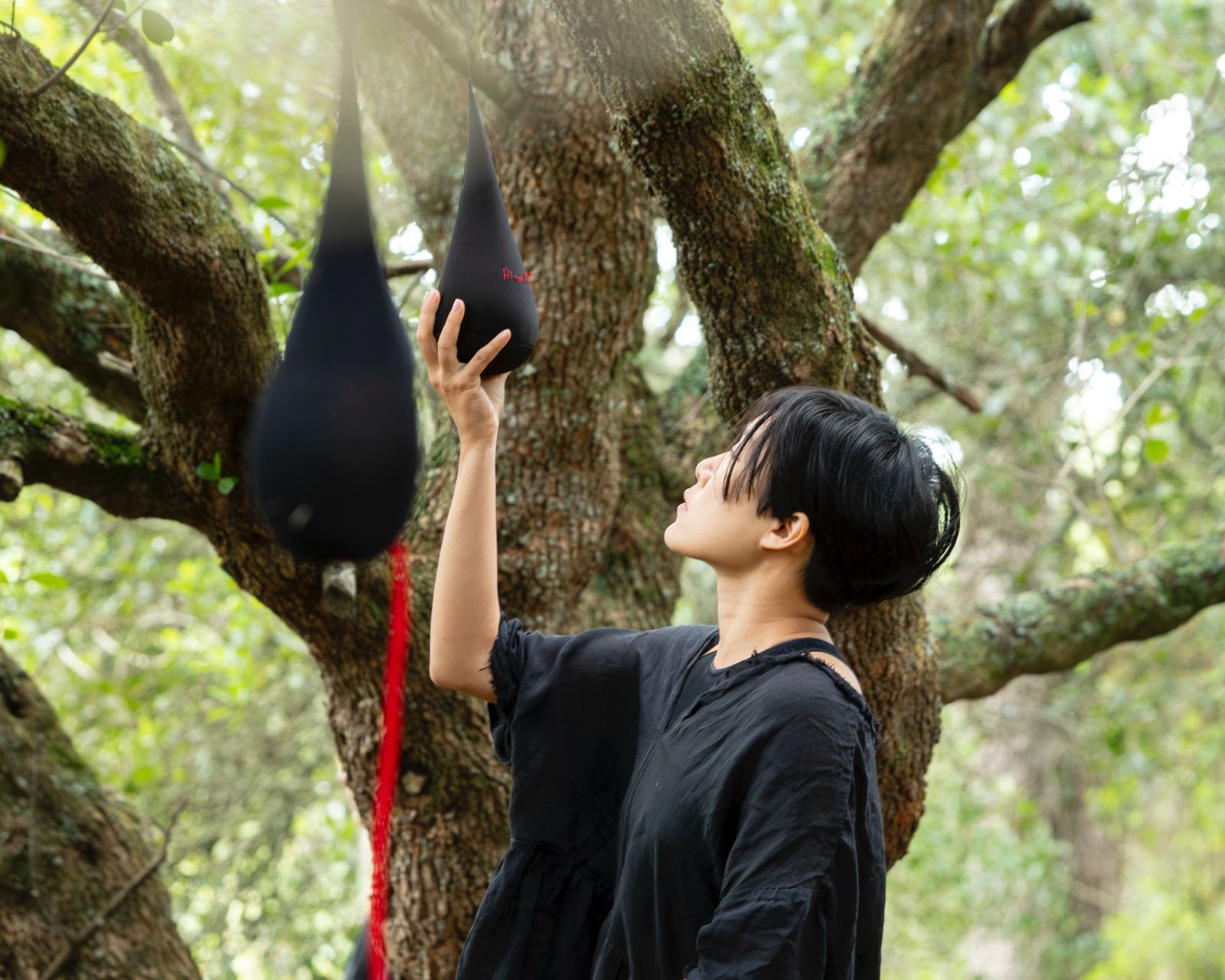
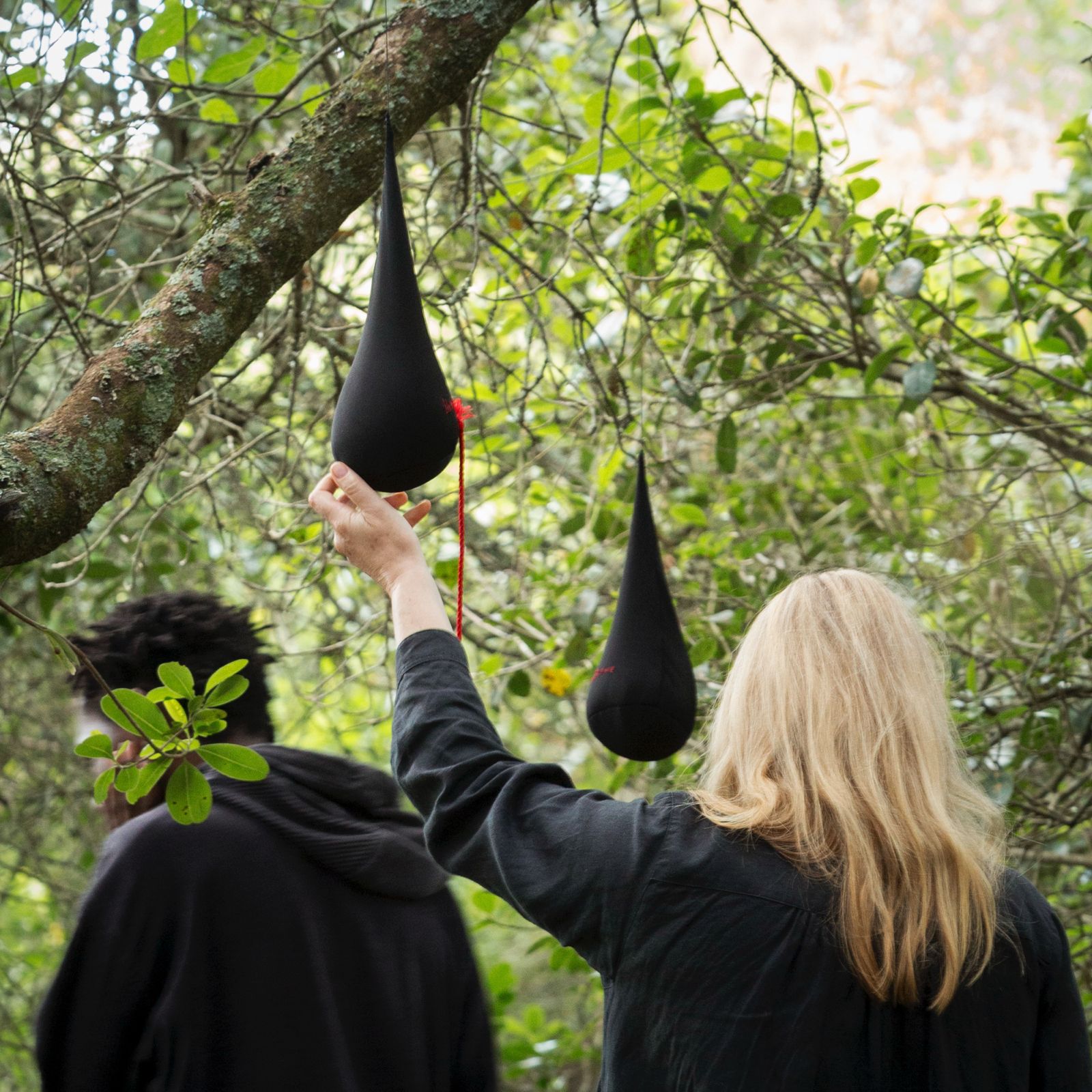
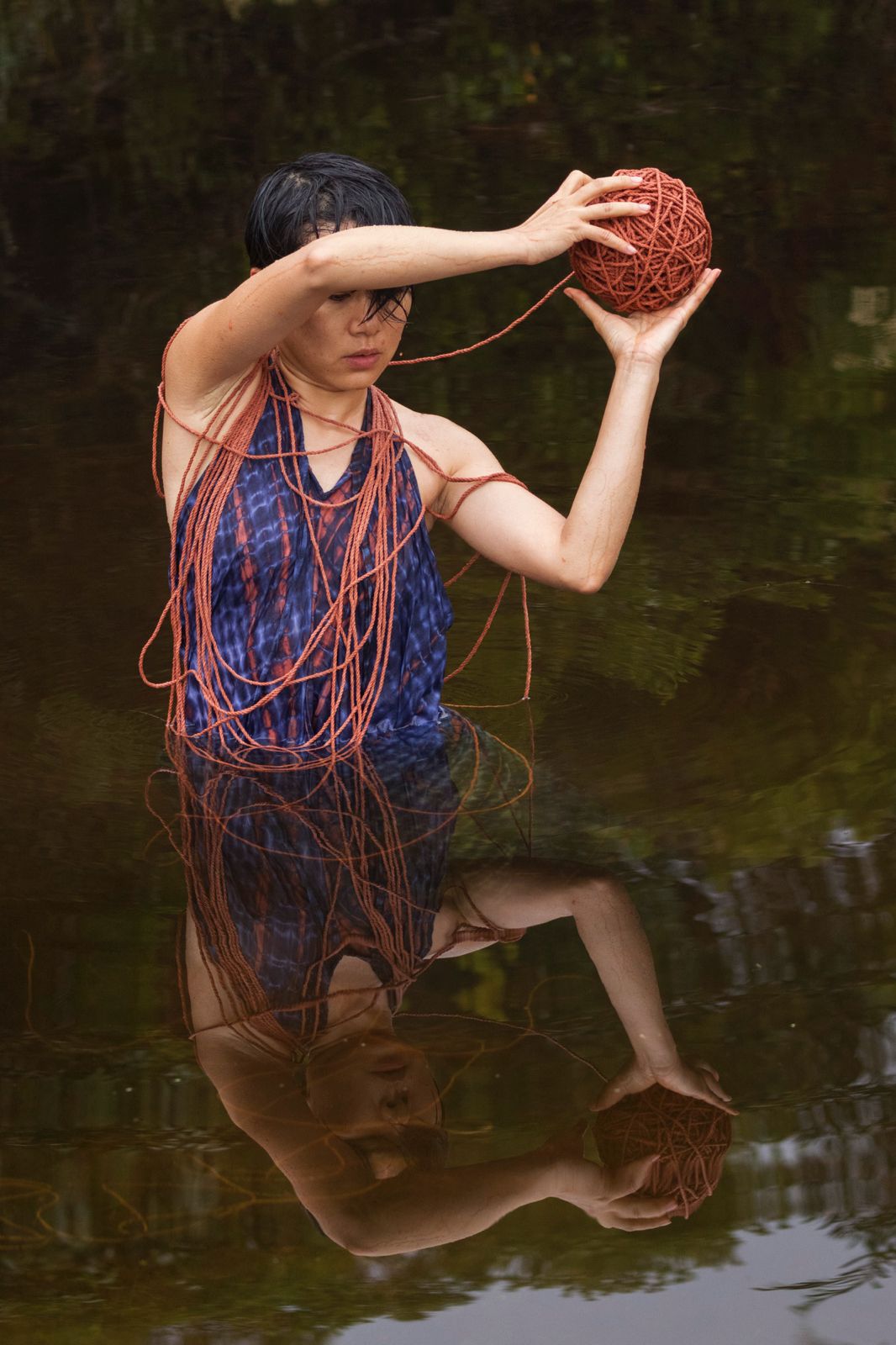
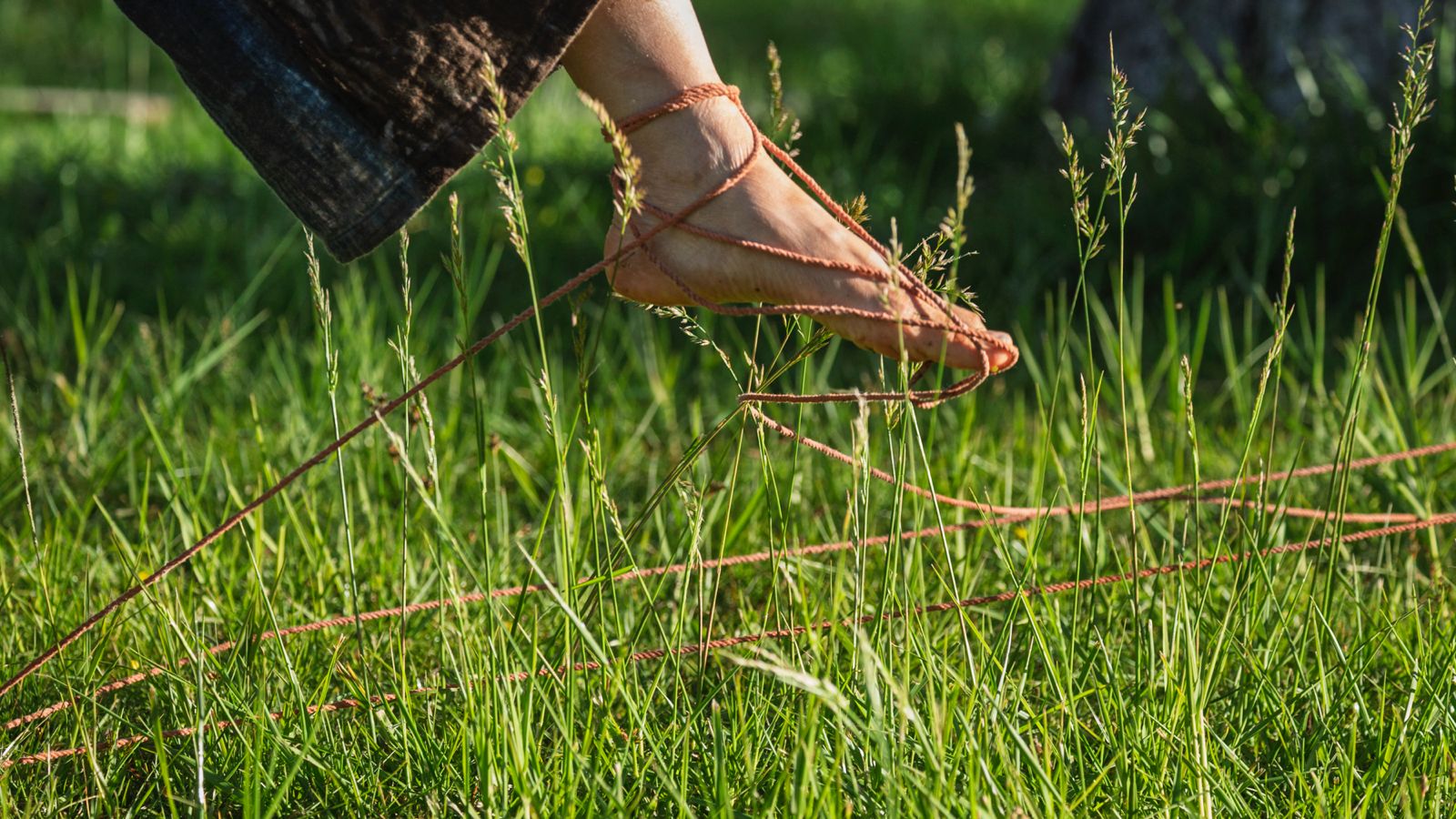
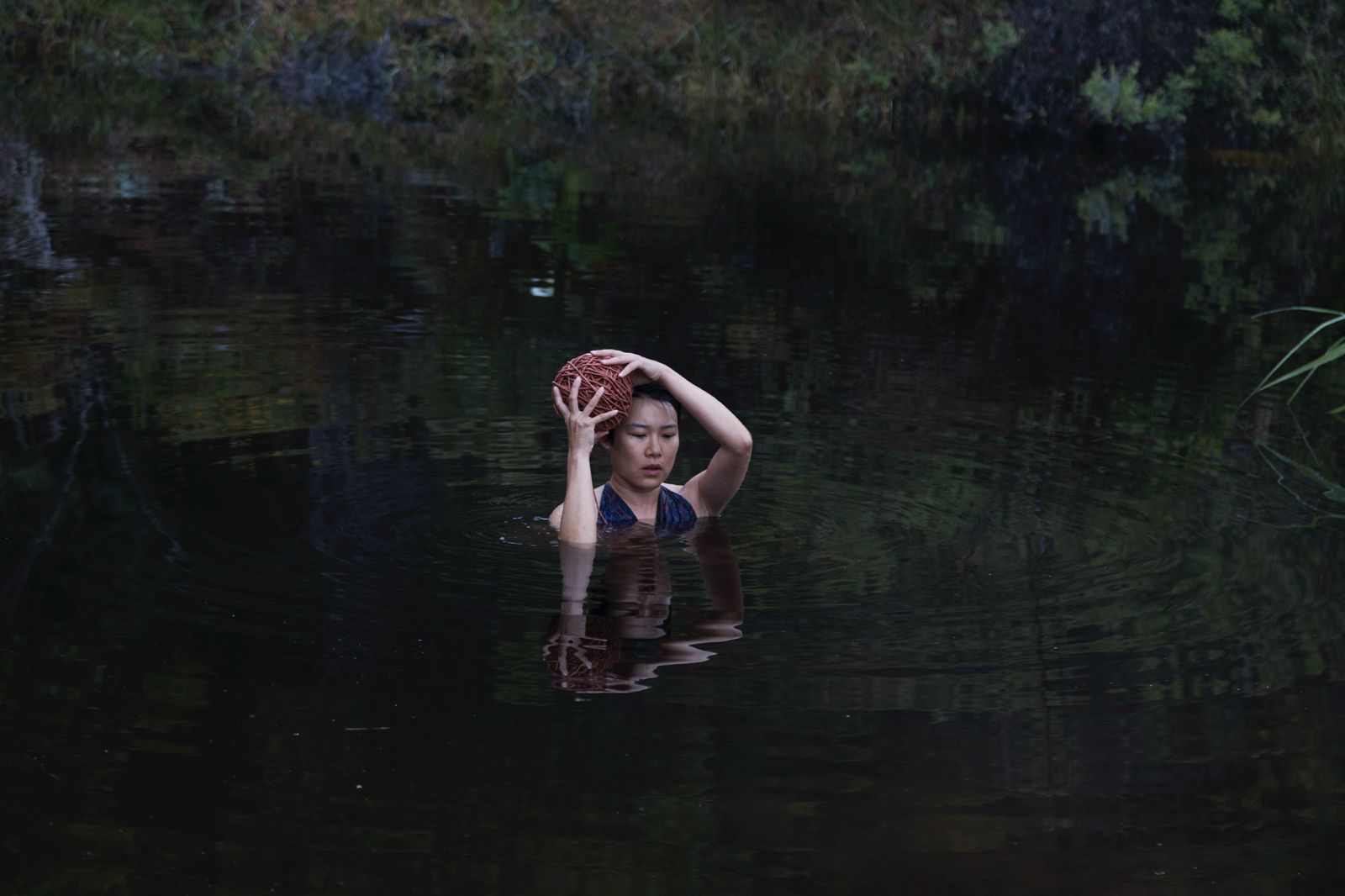
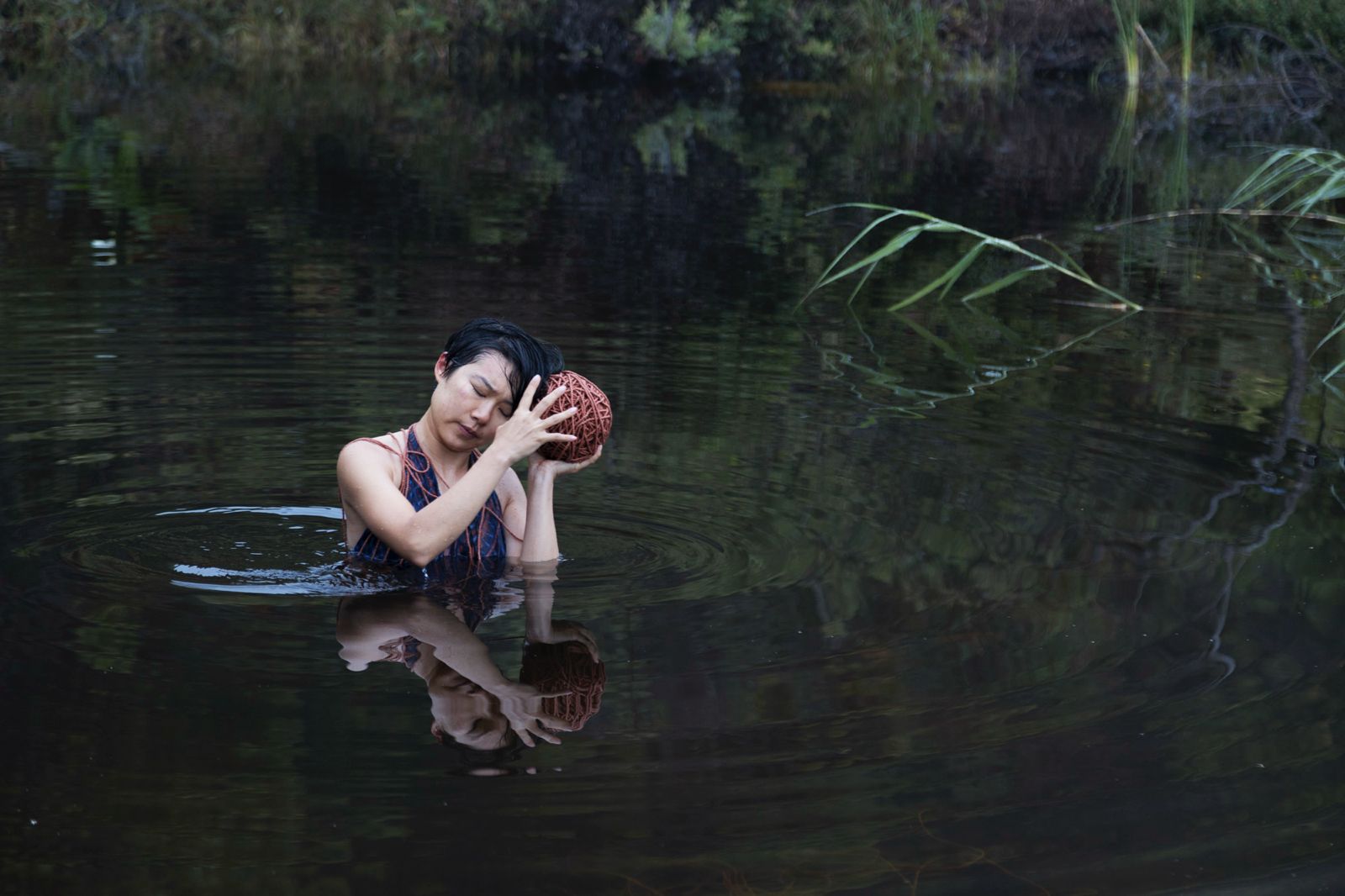
My time at the Bodhi Khaya artist residency was far more than a space to create, it was a deep reconnection with nature, fellow artists, and my own soul. I deeply appreciated the open-ended ethos of the residency, freeing us from the expectation of a mandatory final outcome allowed us to explore truly without bounds.
The rich diversity of the surrounding landscape offered endless inspiration to immerse, engage, and co-create with the earth. Supported by a remarkably collaborative group of artists and leaders, our daily rhythm: anchored by morning yoga and evening sharing circles grounded the entire experience.
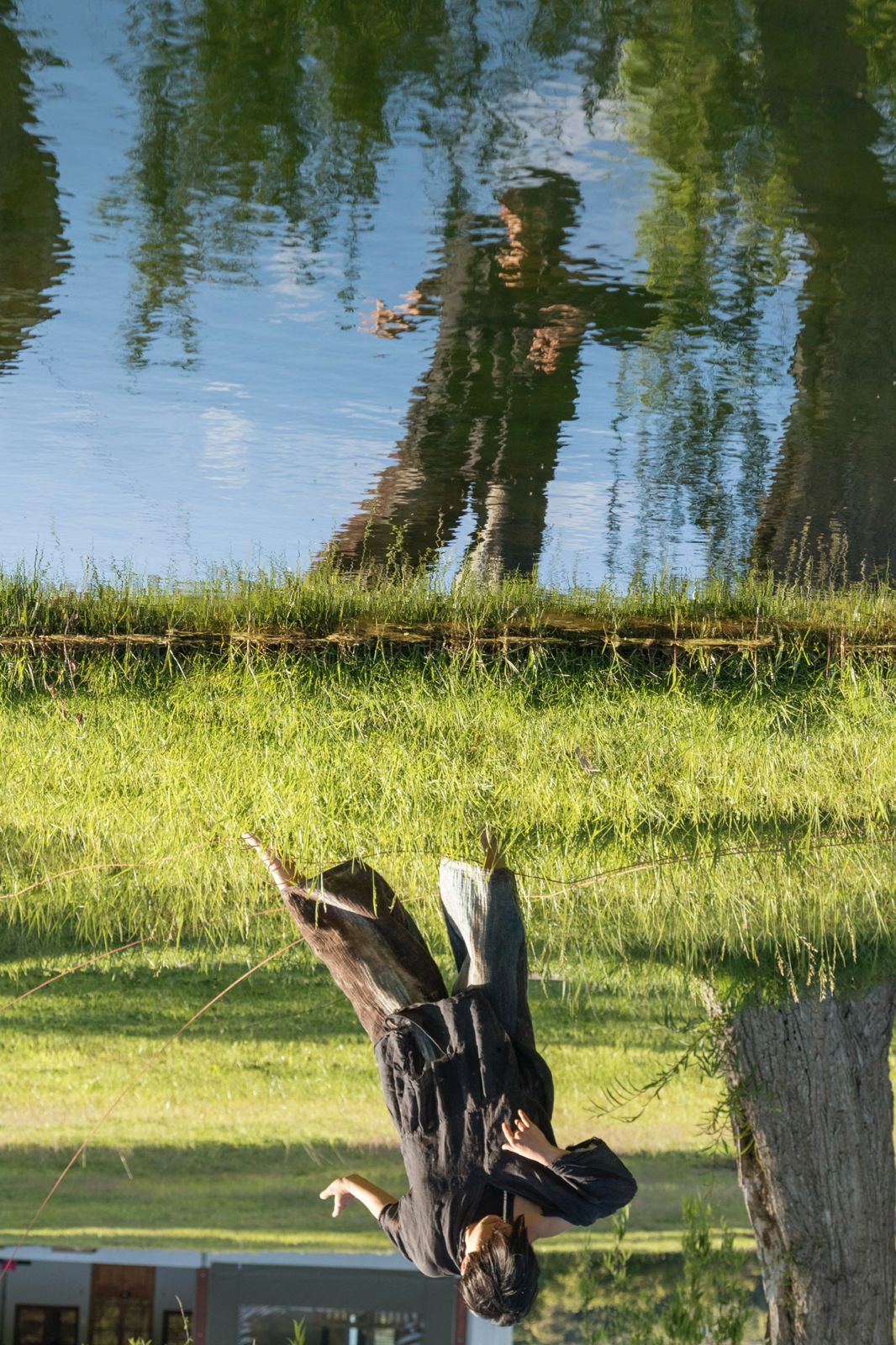
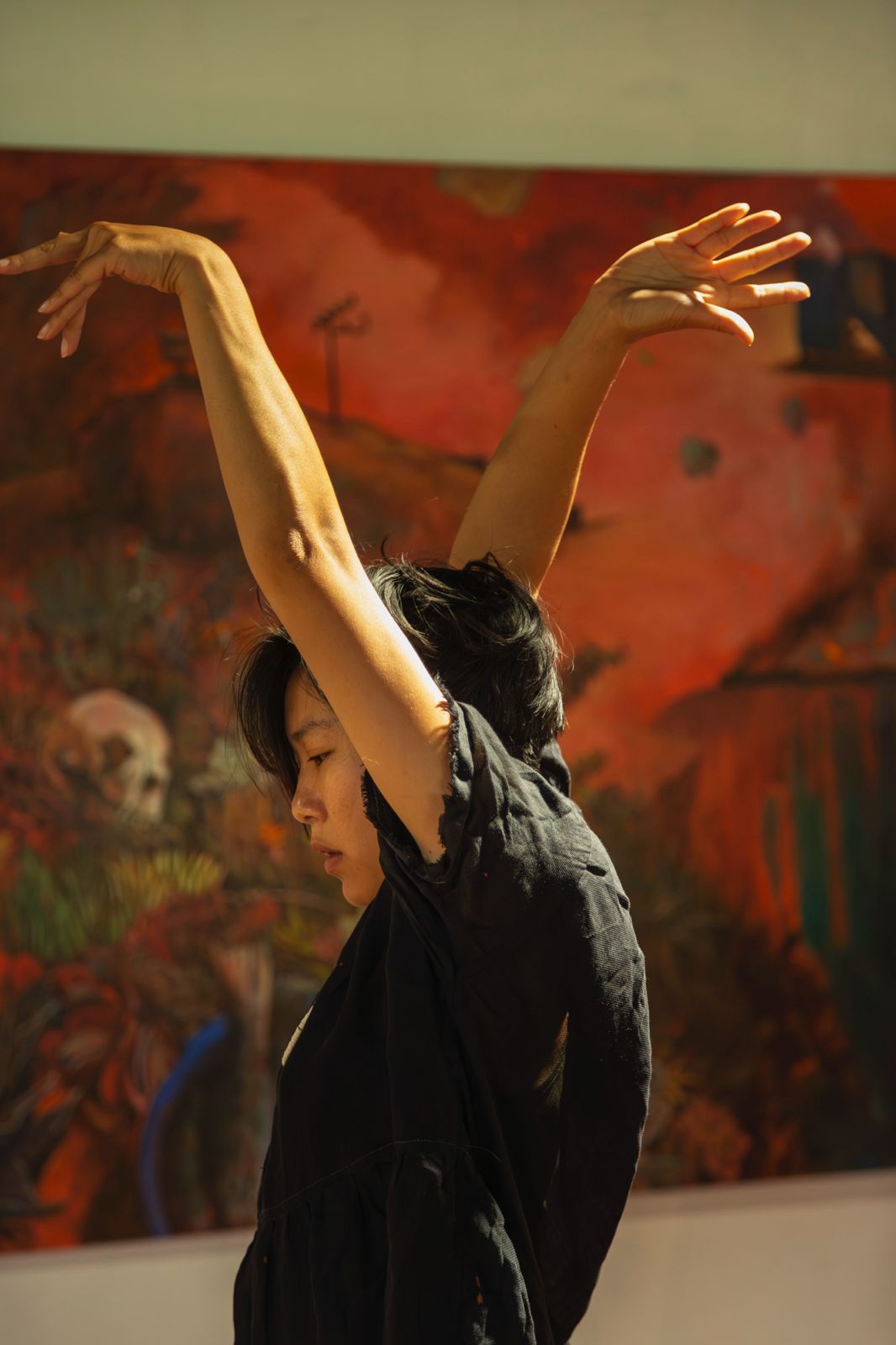
The performance I shared at the end was not a final endpoint, but a seed rooted deeply within me that will continue to blossom through my ongoing dance practice.
Documentation: Josie Borain, Bronwen Trupp,